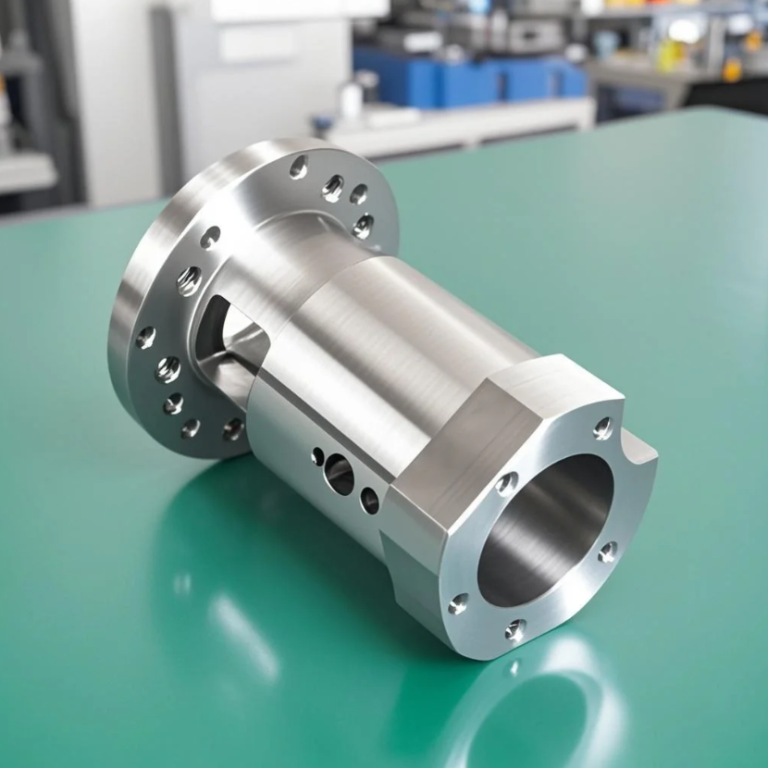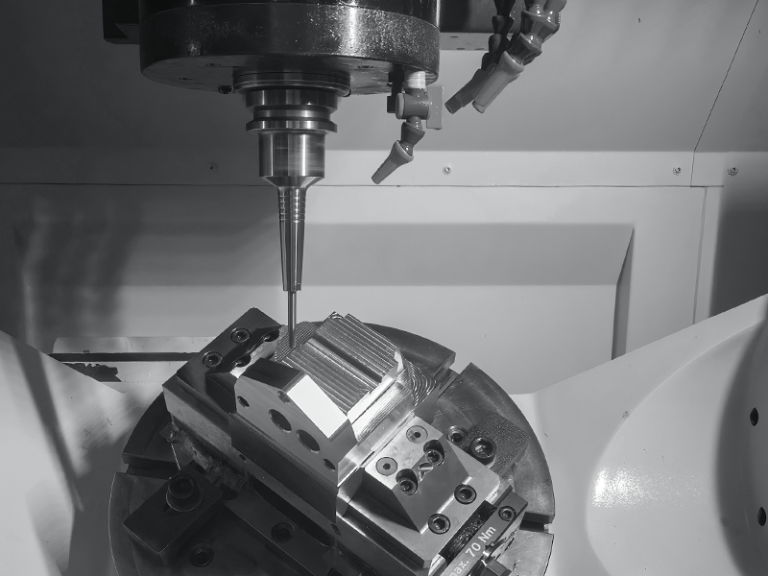
4-Axis CNC Machining: The Ultimate Guide
If you’re in the manufacturing industry, you know that precision, efficiency, and the ability to create complex parts are non-negotiable. While 3-axis CNC machining remains a staple for basic production, 4-axis CNC machining has emerged as the go-to solution for crafting intricate, multi-sided components with unbeatable accuracy and reduced production time. This guide breaks down everything you need to know about 4-axis CNC machining—from its core definition and how it works to its key advantages, applications, and how it compares to 3-axis and 5-axis systems. Whether you’re a seasoned manufacturer or new to advanced CNC technology, this resource will help you unlock the full potential of 4-axis machining for your production needs. For expert guidance on implementing 4-axis CNC into your workflow, contact HLW at +86 18664342076 or info@helanwangsf.com.
What Is 4-Axis CNC Machining?
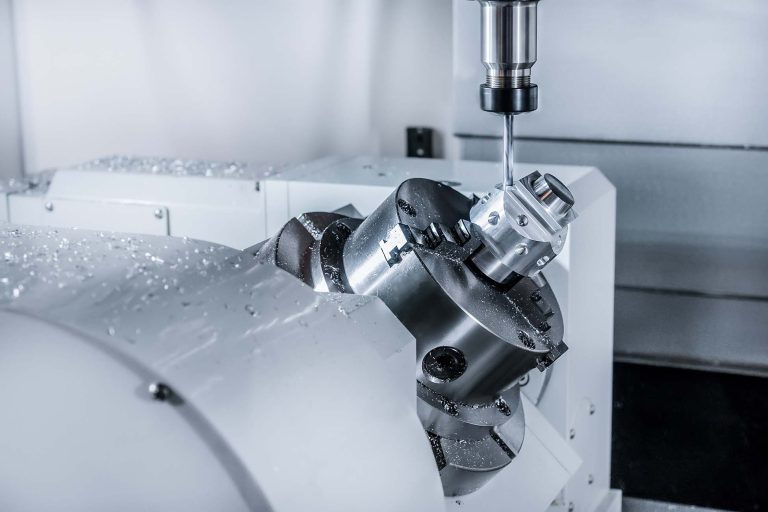
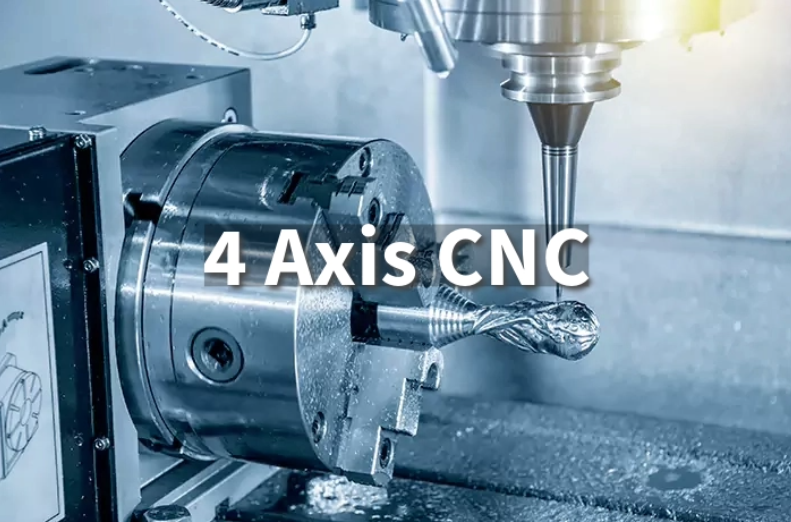
CNC (Computer Numerical Control) machining automates tool movement via pre-programmed software, shaping raw materials like metal, plastic, wood, and composites into finished parts with minimal human intervention. 4-axis CNC machining builds on the foundational 3-axis system (X, Y, Z linear axes) by adding a fourth rotary axis—most commonly the A-axis, which rotates around the X-axis.
This rotary axis is typically a precision rotary table or trunnion platform that secures the workpiece, allowing it to tilt, turn, or rotate without manual re-clamping. High-precision servo motors synchronize the movement of all four axes, enabling continuous machining of multiple sides and angles of a part in a single setup. Unlike 3-axis machines, which are limited to linear movement and single-face processing, 4-axis systems deliver the flexibility to create complex geometric shapes, angled features, and contoured surfaces that were once impossible or cost-prohibitive to produce.
4-axis CNC machining is available in two primary operational types, each suited for specific production needs:
- Positional (indexing) machining: The rotary axis stops and locks in place before cutting begins. This is ideal for machining angled holes, gear teeth, or multi-sided parts where discrete positions are required.
- Simultaneous machining: The rotary axis rotates while the cutting tool is in motion, enabling the creation of intricate continuous contours like turbine blades, cam lobes, and spiral features.
4-Axis vs. 3-Axis vs. 5-Axis CNC Machining
To understand the value of 4-axis CNC machining, it’s critical to compare it to the other primary CNC systems used in manufacturing. Each axis configuration has distinct strengths and limitations, making the right choice dependent on your part complexity, production volume, and precision requirements.
3-Axis CNC Machining
3-axis machines operate only on the X, Y, and Z linear axes, making them ideal for simple 2D and 2.5D parts like flat profiles, drilled holes, and threaded holes. They are cost-effective and easy to program, but their biggest limitation is the need for frequent manual re-clamping to machine multiple sides of a part. This not only increases production time but also introduces the risk of human error, leading to inconsistent tolerances and lower surface quality. 3-axis machining cannot produce angled or compound-angle features, making it unsuitable for complex aerospace, medical, or automotive components.
4-Axis CNC Machining
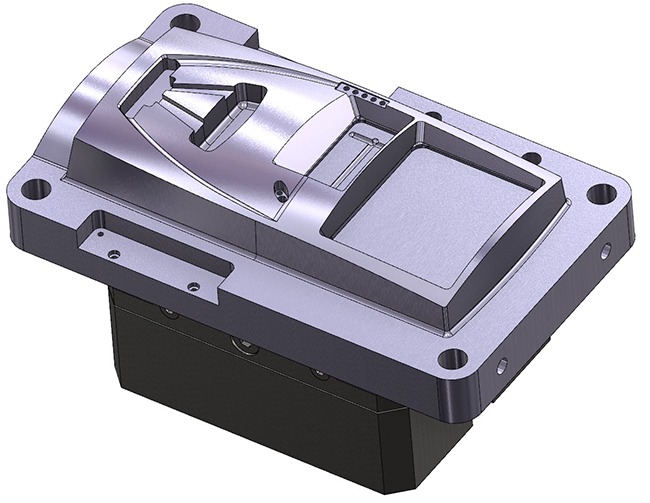
The addition of the rotary A-axis solves nearly all of 3-axis machining’s limitations. A single setup allows machining of up to four sides of a workpiece, eliminating the need for multiple fixtures and repositioning. This results in tighter tolerances, reduced cycle times, and a lower risk of error. 4-axis systems excel at producing sloped features (angled to one linear axis) and simple 3D contours, and they strike the perfect balance between precision and cost—making them ideal for low-to-medium volume, high-precision production runs.
5-Axis CNC Machining
5-axis machines add a second rotary axis (either B-axis, rotating around the Y-axis, or C-axis, rotating around the Z-axis) to the 4-axis setup, enabling machining of compound-angle features (angled to two linear axes) and ultra-complex 3D surfaces. They are available in 3+2 (positional) and fully continuous configurations, but they come with a steep price tag for both the machine and programming expertise. 5-axis machining is reserved for the most intricate parts (e.g., aerospace engine components), while 4-axis offers a more cost-effective solution for most complex production needs.
Key Differences at a Glance
| Feature | 3-Axis CNC | 4-Axis CNC | 5-Axis CNC |
|---|---|---|---|
| Axes | X, Y, Z (linear) | X, Y, Z + A (rotary) | X, Y, Z + 2 rotary axes |
| Part Complexity | 2D/2.5D only | Sloped features, simple 3D | Compound angles, ultra-complex 3D |
| Setup Requirement | Multiple fixtures | Single fixture | Single fixture |
| Tolerance Consistency | Low (human error risk) | High (no repositioning) | Very high |
| Cost (Machine/Operation) | Low | Moderate | Very high |
| Programming Expertise | Basic | Intermediate | Advanced |
Core Types of 4-Axis CNC Machines
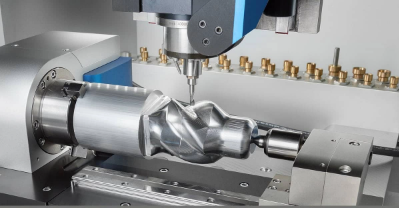
4-axis CNC technology is adapted to two primary machine types, each optimized for specific materials and production applications: 4-axis CNC mills and 4-axis CNC routers. Both leverage the rotary axis for multi-sided machining but differ in rigidity, speed, and material compatibility.
4-Axis CNC Mills
Designed for heavy-duty metal machining, 4-axis CNC mills feature a rigid closed construction that contains metalworking fluids and chips, with high torque spindles to handle hard materials like steel, aluminum, and titanium. Equipped with a trunnion table or rotary platform as the fourth axis, these mills can machine intricate 3D geometries on multiple sides of a workpiece in a single loading. They are the gold standard for producing precision components like aerospace turbine blades, medical implants, molds, dies, and automotive engine parts. The synchronization of the spindle and rotary unit ensures accurate, multi-surface machining for even the most detailed designs.
4-Axis CNC Routers
Optimized for non-metallic materials, 4-axis CNC routers work with wood, plastic, foam, composites, and lightweight alloys. They feature an open-frame design for easy chip and shaving removal, and they operate at higher speeds and feeds than mills for maximum productivity with less dense materials. The rotary axis enables complex 3D profiling on multiple sides of a workpiece, making them ideal for architectural models, electronic housings, signs, prototyping parts, and point-of-purchase displays. 4-axis routers offer an economical solution for short-run production of intricate non-metal components, complementing the precision metalworking capabilities of 4-axis mills.
The Unbeatable Advantages of 4-Axis CNC Machining
4-axis CNC machining has become a cornerstone of modern advanced manufacturing for its ability to address the limitations of 3-axis systems while remaining more accessible than 5-axis technology. Its key benefits translate directly to better part quality, lower production costs, and greater design flexibility:
1. Superior Precision and Tolerance Control
By eliminating manual re-clamping and repositioning, 4-axis machining removes the risk of human error that plagues 3-axis production. The rotary axis allows for precise machining of twisted reliefs, asymmetrical contours, and angled features to ultra-tight tolerances—critical for industries like aerospace and medical, where part performance depends on exact dimensions. Consistent tool paths and reduced vibration also result in enhanced surface finishes, eliminating the need for secondary finishing operations in many cases.
2. Unmatched Design Flexibility
4-axis CNC machining unlocks new design possibilities by enabling the production of complex geometric shapes that are impossible with 3-axis systems. It can handle a wide range of materials—from plastics and wood to hard metals and composites—and produce freeform shapes, sculpted components, and anatomically customized parts (e.g., orthopedic implants). Designs created in CAD software can be directly translated to physical production, with no limitations from machining constraints.
3. Increased Productivity and Reduced Labor Costs
A single setup is all it takes to machine multiple sides and angles of a workpiece, drastically reducing cycle times compared to 3-axis machining. There is no need for repeated unclamping, re-verifying, and repositioning, which cuts down on manual labor and frees up operators to focus on other critical production tasks. For batch production, 4-axis systems can also machine multiple parts simultaneously, further boosting throughput. In one real-world example, a part that required two separate fixtures (costing £1,800 total) with 3-axis machining was produced with a single £1,000 fixture using 4-axis technology—slashing fixture costs and eliminating the time and error of fixture changes.
4. Cost-Effective High-Precision Production
While 4-axis machines have a higher upfront cost than 3-axis systems, the savings in labor, fixtures, cycle time, and secondary operations deliver a rapid return on investment (ROI). It is a far more economical option than 5-axis machining for most complex production needs, making it accessible to small and mid-sized manufacturers as well as large production facilities. For low-volume, high-precision runs—such as prototyping or custom fabrication—4-axis machining is the most cost-efficient choice on the market.
Key Applications and Industries for 4-Axis CNC Machining
4-axis CNC machining is versatile enough to serve nearly every manufacturing industry, with a particular focus on sectors that demand high precision, complex geometries, and low-to-medium production volumes. Its ability to produce intricate parts in a single setup makes it indispensable for the following industries and applications:
Aerospace
Aerospace manufacturing relies on 4-axis CNC machining for critical components like turbine blades, aircraft engine nozzles, landing gear parts, and propellers. These parts require compound curves, tight tolerances, and high structural integrity—all of which 4-axis systems deliver with ease. The ability to machine complex metal components in a single setup also ensures compliance with the aerospace industry’s strict quality and safety standards.
Medical
The medical industry benefits from 4-axis machining for the production of custom and standard precision parts, including orthopedic implants (knees, hips, spinal implants), prosthetic sockets and joints, surgical tools, and dental models. Anatomically customized medical components require sculpted, contoured surfaces that 4-axis systems can produce to exact patient specifications, with the precision needed to ensure biocompatibility and performance.
Automotive
4-axis CNC machining is used to create automotive engine and transmission components, hydraulic actuators, fuel injection parts, and shafts. These parts often feature angled holes, complex contours, and tight tolerances, and 4-axis systems enable efficient production while maintaining the consistency required for automotive mass production (and low-volume custom builds).
Mold and Die Making
Molds and dies for injection molding, casting, and stamping require intricate 3D geometries and precise surface finishes. 4-axis CNC mills machine these tools in a single setup, eliminating the need for multiple fixtures and ensuring the tight tolerances needed for high-quality part replication. This reduces mold production time and improves the longevity of the tooling.
Custom Fabrication and Prototyping
For product development and custom fabrication, 4-axis machining enables fast design iteration with minimal setup time. Prototypers can create complex 3D parts directly from CAD models, testing designs quickly and cost-effectively before full production. It is also ideal for custom consumer goods like electronic housings, small appliances, and contoured plastic parts.
Oil and Gas & Military/Defense
The oil and gas industry uses 4-axis machining for high-pressure components like valves and bearings, while military and defense rely on it for precision performance-built parts. Both sectors demand parts that can withstand extreme conditions, and 4-axis systems deliver the accuracy and structural integrity needed for these critical applications.
4-Axis CNC Machining: Key Considerations for Implementation
While 4-axis CNC machining offers immense benefits, successful implementation requires careful planning and consideration of the following factors:
Programming Expertise
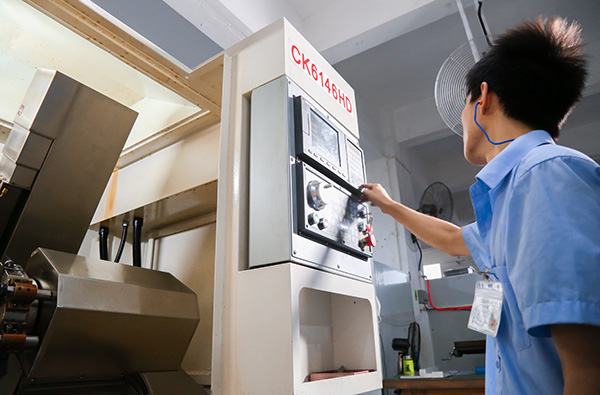
4-axis machining requires intermediate programming skills, as operators must learn to control the rotary axis and synchronize its movement with the linear X, Y, Z axes. Simultaneous 4-axis machining also requires 4-axis-capable CAM software (e.g., Fusion 360), which can generate complex tool paths for continuous contouring. Positional machining is more straightforward, using basic G-code for indexing, but investing in operator training is critical to unlocking the full potential of your 4-axis machine.
Workholding and Fixturing
Effective workholding is essential for 4-axis machining, as the workpiece must be securely mounted to the rotary axis for multi-sided machining. Common workholding solutions include:
- Tombstone fixtures: Multi-sided plates that increase workpiece mounting area by up to 116%, enabling multiple parts to be machined simultaneously.
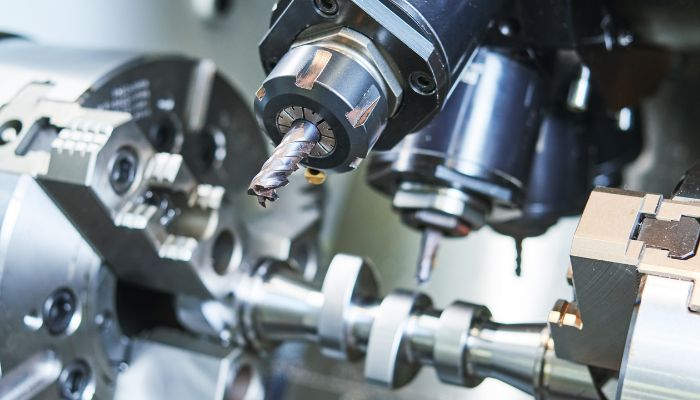
- Lathe chucks: 3-jaw (low-cost, high-convenience), 4-jaw (high-precision), and collet chucks (ultra-precision for round stock) for securing cylindrical parts.
- 4-axis vises: For simple parts, vises allow machining of three sides in a single setup and can be mounted in parallel for batch production.
HLW offers custom workholding and fixturing solutions for 4-axis machining—contact our experts at +86 18664342076 or info@helanwangsf.com for tailored recommendations.
Machine Selection
When choosing a 4-axis CNC machine, consider your material needs (metal vs. non-metal), production volume, and part complexity. For metal machining, opt for a rigid 4-axis mill with a high-torque spindle; for non-metals, a 4-axis router with high-speed capabilities is ideal. HLW provides a range of 4-axis CNC machines, including vertical machining centers optimized for precision and productivity, with the ability to hold critical dimensions and ultra-tight tolerances for both prototyping and mass production.
Maintenance and Operational Costs
4-axis machines have higher maintenance costs than 3-axis systems due to their complex rotary axis components, but regular maintenance (e.g., lubrication, backlash checks) ensures long-term performance and reduces downtime. When calculating ROI, factor in the savings from reduced labor, fixtures, and cycle time—these nearly always offset the higher operational costs.
Why Choose HLW for Your 4-Axis CNC Machining Needs?
HLW is a leading provider of advanced CNC machining solutions, with decades of experience supporting manufacturers across aerospace, medical, automotive, mold making, and more. Our ISO 90001-certified processes, CMM measuring technology, and rigorous quality assurance procedures ensure that every part we produce meets the highest precision and quality standards. We offer:
- Custom 4-axis CNC machining services: From prototyping to mass production, tailored to your part specifications and production volume.
- Expert technical guidance: Our team will evaluate your application, recommend the optimal 4-axis machine and workholding solutions, and ensure you leverage the full capabilities of 4-axis technology.
- Comprehensive support: From programming training to ongoing maintenance, we stand by our customers at every step of the design-to-production workflow.
- State-of-the-art equipment: Our 4-axis vertical machining centers deliver unbeatable precision, productivity, and flexibility for all your complex machining needs.
Whether you’re looking to upgrade from 3-axis to 4-axis machining or optimize your existing 4-axis workflow, HLW has the expertise and equipment to help you succeed.
Conclusion
4-axis CNC machining is the perfect blend of precision, flexibility, and cost-effectiveness for modern manufacturing. By adding a rotary axis to the traditional 3-axis setup, it eliminates the limitations of manual repositioning, unlocks new design possibilities, and delivers higher productivity and better part quality—all at a more accessible price point than 5-axis technology. It is the go-to solution for industries that demand complex, high-precision parts, from aerospace and medical to automotive and mold making, and it offers a rapid ROI for manufacturers of all sizes.
If you’re ready to take your production to the next level with 4-axis CNC machining, the experts at HLW are here to help. Contact us today at +86 18664342076 or info@helanwangsf.com to discuss your project challenges, learn about our custom machining solutions, and unlock the full potential of 4-axis CNC technology for your business.