Advantages of CNC Machining
In the modern manufacturing landscape, precision, efficiency, and scalability are non-negotiable for businesses aiming to stay competitive. CNC (Computer Numerical Control) machining has emerged as a cornerstone technology, replacing and complementing traditional manual machining with a host of game-changing benefits. From unmatched accuracy to cost savings and enhanced safety, CNC machining redefines what’s possible in production—whether for small-batch prototypes or large-scale mass manufacturing. This guide breaks down the key advantages of CNC machining, explaining why it’s the go-to choice for industries ranging from aerospace and medical to automotive and electronics.
Unparalleled Precision and Consistent Product Quality
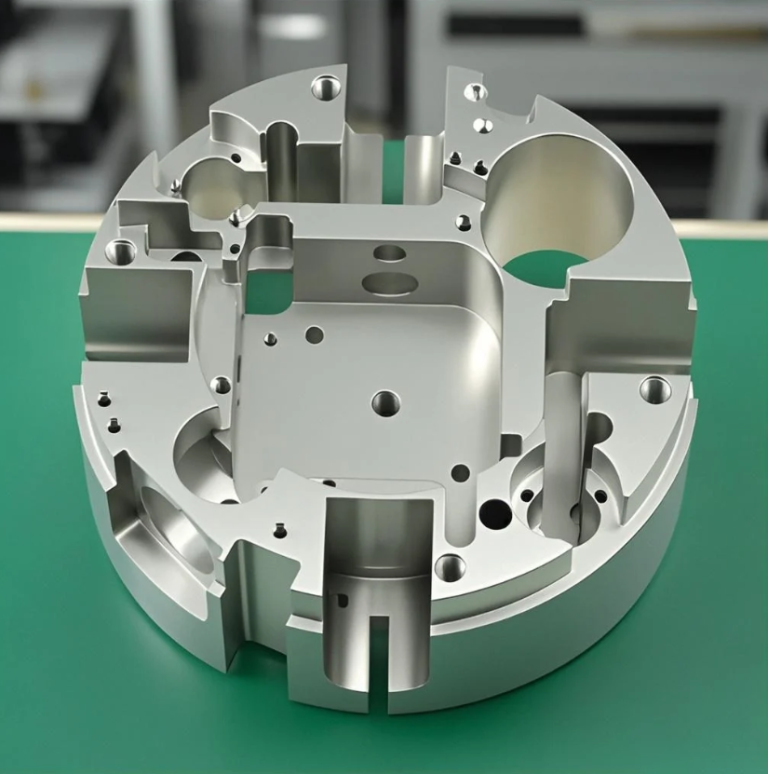
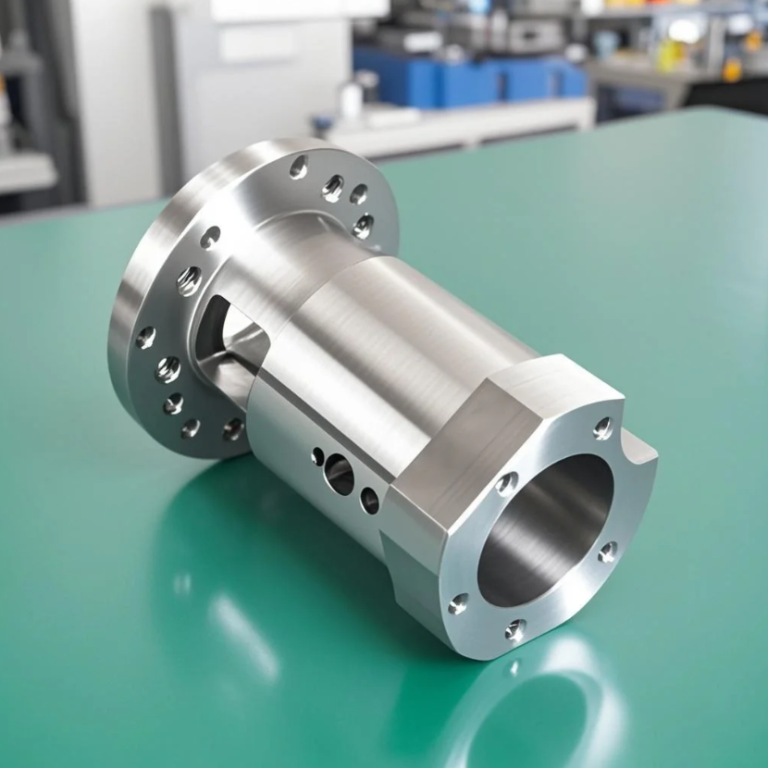
CNC machining delivers precision that manual machining simply cannot match, achieving tight tolerances (as small as 0.004 mm) and flawless replication of parts cycle after cycle. Every cut, shape, and detail is governed by pre-programmed software, eliminating human error and ensuring identical results for every component produced. This consistency is critical for industries with stringent quality standards, such as aerospace, medical, and automotive manufacturing, where even minor deviations can have serious consequences.
Unlike manual machining, where part quality relies on the skill and experience of the operator—and small variations are inevitable—CNC machines follow immutable digital instructions. Once a program is optimized, it produces zero-defect parts with exact accuracy, maintaining uniformity across hundreds or thousands of units. This level of precision also enables the creation of parts with tight tolerances that meet the most demanding technical specifications.
Faster Production Speed and Unmatched Efficiency
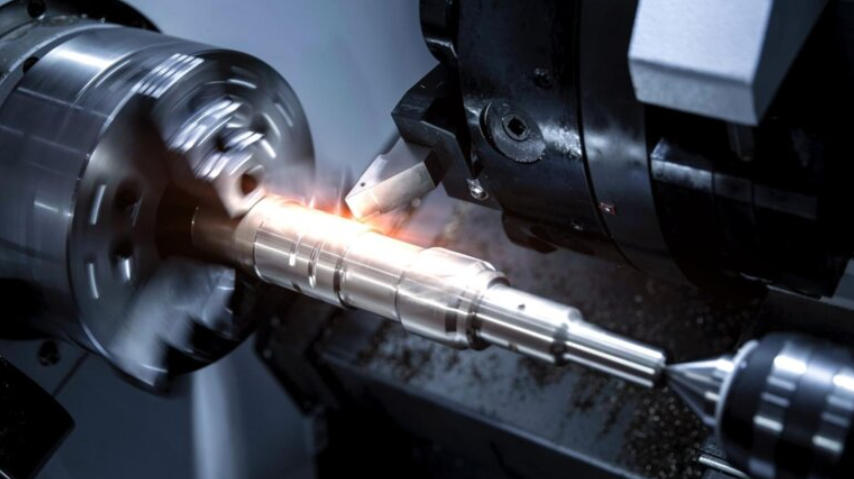
CNC machining drastically boosts production speed without compromising on quality, thanks to fully automated, computer-controlled operations. Unlike human operators who require rest, breaks, or shift changes, CNC machines can run 24 hours a day, 7 days a week with minimal downtime. This continuous operation maximizes output and shortens lead times, making CNC machining ideal for time-sensitive projects and large-scale production runs.
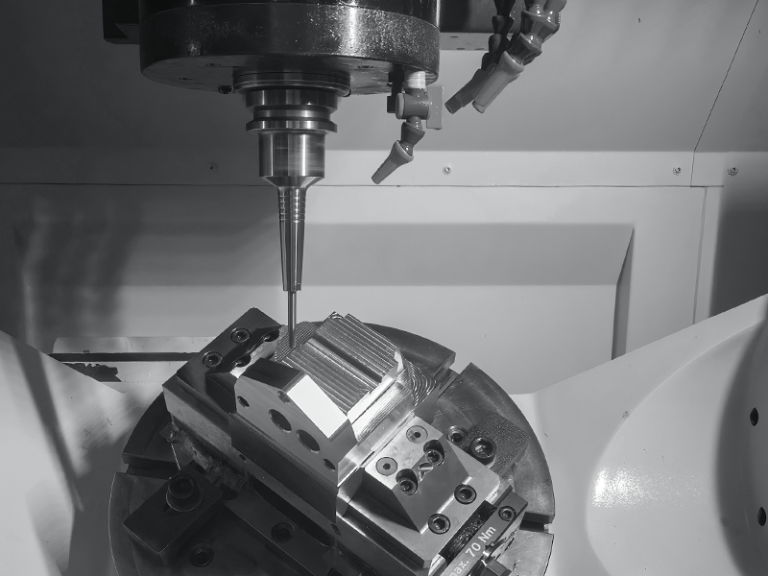
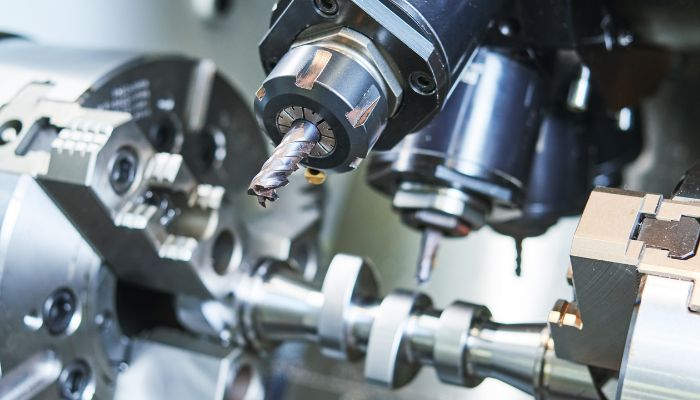
The technology also excels at processing complex designs and intricate details far faster than manual methods. Multi-axis capabilities and automated tool changes (some CNC machines feature carousels holding up to 30 tools) allow for seamless, one-setup production of complex geometries—tasks that would be time-consuming or impossible with conventional machinery. Additionally, optimized tool paths and reduced idle time further enhance efficiency, translating to faster turnaround times and the ability to meet fluctuating market demand.
Reduced Labor Costs and Lower Dependence on Highly Skilled Labor
One of the most tangible financial benefits of CNC machining is its ability to cut labor costs significantly. Conventional machining requires one highly skilled operator per machine, and producing consistent parts demands years of on-the-job experience. CNC machining, by contrast, only needs minimal supervision: a single trained operator can manage multiple CNC machines simultaneously.
What’s more, CNC machining does not require extensive traditional machining experience to get started. Modern workers, familiar with software and digital technology, can learn to operate CNC machines with far less training than manual equipment. While skilled technicians are still needed for programming and maintenance, the reduced need for highly specialized manual machinists lowers hiring and training costs for businesses—all while maintaining high production quality and volume.
Cost-Effectiveness in the Long Run
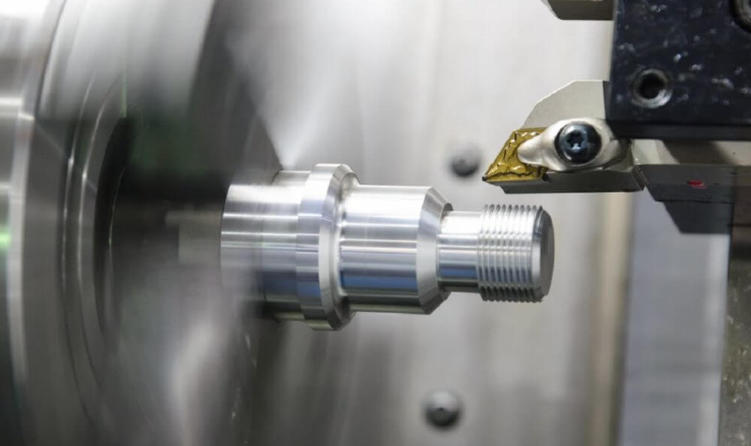
While CNC machines may require a higher initial investment than manual equipment, they deliver substantial long-term cost savings that far offset upfront costs. Here’s how:
- Reduced material waste: Precision programming and optimized tool paths minimize scrap, as CNC machines use raw materials efficiently and avoid cutting errors. Advanced software even simulates production before execution, eliminating trial-and-error material waste.
- Fewer defective parts: The elimination of human error means far fewer faulty components, so businesses avoid the costs of rework, replacement, and wasted materials.
- Lower operational costs: Reduced labor needs, minimal maintenance, and energy efficiency all cut ongoing operational expenses. CNC machines also reduce costs associated with workplace accidents, a common financial liability in manual machining.
- Secondhand options: For budget-conscious businesses, well-maintained used CNC equipment is a cost-effective alternative to brand-new machines—CNC gear is built to last, remaining functional for years or even decades with upgrades and integrations.
Enhanced Workplace Safety
Safety is a top design priority for CNC machines, making them far safer than conventional machining equipment. CNC machines operate behind protective guards or enclosed, transparent safety doors, keeping operators at a safe distance from moving cutting tools and hazardous materials. Human intervention is limited to supervisory tasks (programming, monitoring, and maintenance), with no need for hands-on operation during production.
This isolation of workers from the machining process drastically reduces the risk of workplace injuries—such as cuts, abrasions, or exposure to harmful substances—that are common in manual machining, where operators work in close proximity to equipment. Automated tool changes and remote monitoring further minimize physical contact with the machine, creating a safer shop floor and reducing the financial and reputational costs of workplace accidents.
Design Flexibility and Ability to Create Complex Geometries
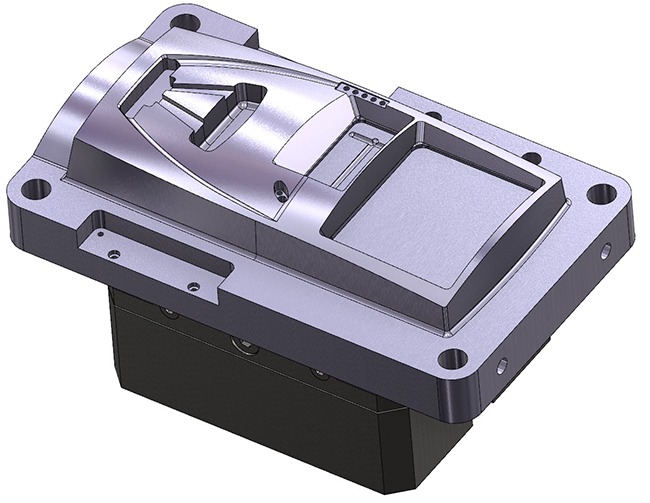
CNC machining unlocks unprecedented design flexibility for manufacturers, enabling the production of complex geometries and intricate designs that are nearly impossible to create with manual machining. Advanced CAD/CAM software integration allows designers to create detailed 3D models, simulate production, and optimize tool paths before manufacturing even begins. Modifying designs is as simple as updating the software—no need to replace machine parts or invest in new equipment, as is required with conventional machining.
This flexibility also fosters innovation: designers and engineers can collaborate closely, iterating on designs quickly and cost-effectively without the constraints of manual production limits. CNC machines can shape virtually any complex feature, from contoured surfaces to intricate holes and patterns, opening up new possibilities for product design in every industry.
Scalability for Any Production Volume
CNC machining is highly scalable, making it suitable for every production need—from a single custom prototype to thousands of mass-produced parts. Once a machine is programmed, it can switch seamlessly between small-batch and large-scale production with minimal setup time and effort. This scalability allows businesses to respond quickly to fluctuating market demand: ramp up production for peak seasons, scale down for low demand, or produce one-off prototypes for testing—all with the same equipment.
Unlike manual machining, which struggles to maintain consistency and speed with increasing production volume, CNC machines deliver the same high quality regardless of how many parts are being made. This makes CNC machining a versatile solution for small businesses and large manufacturers alike.
Versatility in Materials and Applications
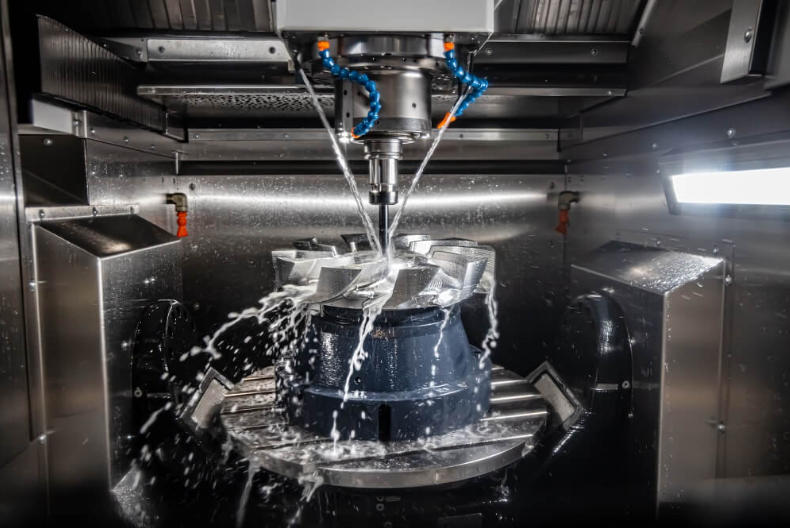
Modern CNC machines can work with an extensive range of materials, making them applicable across virtually every manufacturing industry. Whether processing metals (aluminum, stainless steel, titanium, brass), plastics, composites, glass, ceramics, wood, or phenolic materials, there is a CNC machine designed for the task. This material versatility means businesses can choose the optimal material for their application—without being limited by production technology.
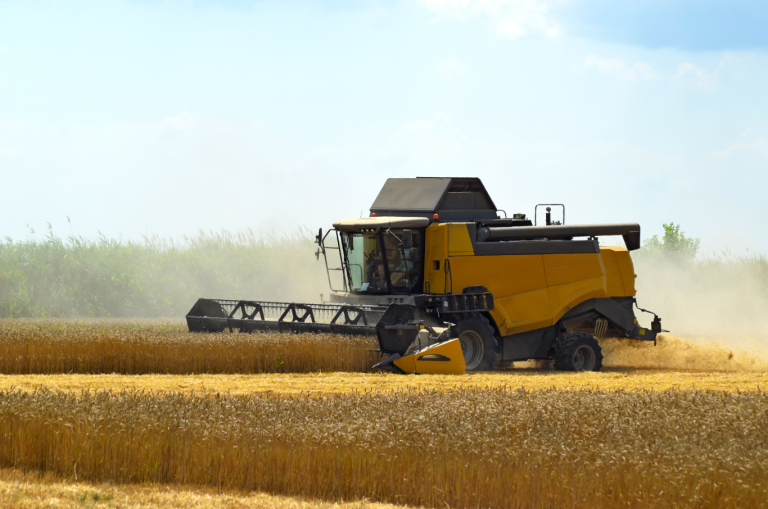
CNC machining is also compatible with advanced manufacturing techniques like additive manufacturing (3D printing) and specialized processes such as water-jet cutting, plasma cutting, and electrical discharge machining (EDM). It is the go-to technology for industries including aerospace, medical, automotive, electronics, construction, agriculture, dental, and woodwork, producing everything from precision medical devices and aerospace components to consumer electronics and custom wood products.
No Physical Prototypes Needed (Digital Simulation Saves Time)
CNC machining eliminates the need for costly, time-consuming physical prototypes. Advanced CNC software allows for digital simulation of production: designers can test the efficacy of a program, check for errors, and refine tool paths entirely in a digital environment—before any raw material is cut. This not only saves weeks or months of production time but also eliminates the costs of creating and revising physical prototypes. Any design changes are made in the software, with no physical waste or rework required.
Energy Efficiency and Sustainability
As the manufacturing industry shifts toward sustainability, CNC machining stands out for its energy efficiency. Optimized tool paths and reduced idle time mean CNC machines use less energy per minute than traditional machining equipment. They also minimize material waste and scrap, reducing the environmental impact of production. For energy-intensive industries like oil and gas, petrochemicals, and aerospace, CNC machining maintains scalability and precision without overusing limited resources—injecting sustainability into operations while cutting energy costs.
Faster Assembly of Finished Products
CNC-machined components are designed for seamless assembly, thanks to their unrivaled precision and consistency. Companion parts fit together exactly as they do in the digital model, eliminating the need for extensive fitting, adjustment, or rework on the assembly line. This smooth fit keeps assembly lines running without disruptions, reducing assembly time and labor costs. Additionally, faster production of CNC-machined parts means less waiting time for components, further streamlining the entire manufacturing process from production to assembly.
Why Choose HLW for Your CNC Machining Needs?
When precision, efficiency, and repeatability are paramount, HLW is your trusted partner for high-quality CNC machining services. We leverage advanced CNC technology—including Swiss CNC Machining—to deliver custom tubing solutions and intricately formed parts with tight tolerances, capable of working with diameters ranging from 0.030″ to 2″ to meet the unique specifications of even the most demanding applications.
Our state-of-the-art equipment, skilled team, and commitment to innovation ensure we deliver CNC machining solutions that exceed industry standards, whether for small-batch prototypes or large-scale production. We specialize in serving aerospace, medical, automotive, and electronics industries, providing tailored solutions that align with your production goals and budget.
Contact HLW Today
For more information on our CNC machining capabilities and to request a quote, reach out to us:
- Phone: +86 18664342076
- Email: info@helanwangsf.com
Conclusion
CNC machining is more than just a manufacturing technology—it’s a transformative solution that elevates every aspect of production, from precision and speed to cost savings and safety. Its ability to deliver consistent, zero-defect parts, create complex designs, and scale to any production volume makes it an indispensable tool for modern businesses. While the initial investment in CNC equipment may seem significant, the long-term benefits—reduced labor costs, minimal waste, faster lead times, and enhanced safety—make it a cost-effective choice for any industry.
As manufacturing continues to evolve with the Fourth Industrial Revolution, CNC machining will remain at the forefront, driving innovation, sustainability, and competitiveness for businesses worldwide. Whether you’re a small business looking to scale or a large manufacturer aiming to optimize production, CNC machining offers the flexibility, efficiency, and precision to turn your design vision into high-quality, market-ready products.