
Brass CNC machining stands out as a versatile and efficient manufacturing process, leveraging the unique properties of brass—an alloy primarily composed of copper and zinc—to produce a wide range of precision components. From intricate decorative pieces to high-performance industrial parts, brass’s inherent characteristics make it a preferred material for CNC machining across diverse industries. This article delves into the fundamentals, advantages, techniques, applications, and future trends of brass CNC machining, along with the specialized services offered by HLW.
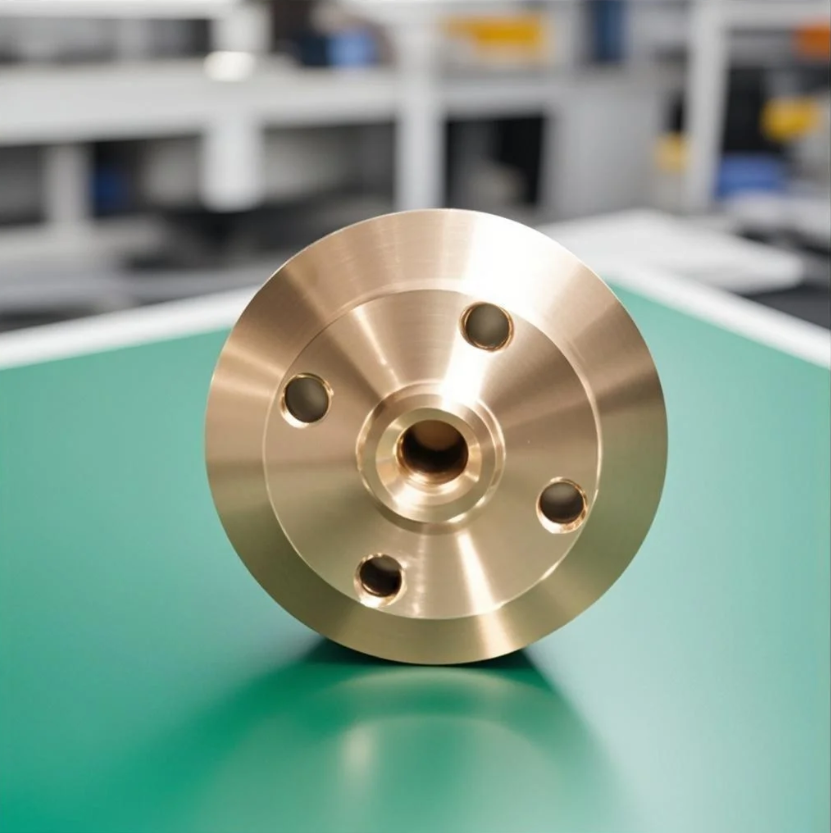
What is Brass? Key Properties for CNC Machining
Brass is a copper-zinc alloy that exhibits a blend of desirable properties tailored for CNC machining. Its core attributes include:
- Exceptional Machinability: Brass is softer than most metals like steel, allowing CNC equipment to cut, shape, and detail it efficiently at higher feed rates with minimal tool wear. The inclusion of elements like lead (in specific alloys) further enhances machinability, making brass the most machinable among copper alloys.
- Corrosion Resistance: It resists corrosion effectively, making it ideal for wet, humid, or marine environments—such as plumbing systems and marine components.
- Dimensional Stability: With a relatively low coefficient of thermal expansion (CTE), brass maintains tight tolerances and minimizes deformation during machining, critical for precision applications.
- Low Friction: Generates minimal friction during processing, reducing heat buildup and enabling the fabrication of intricate, tight-tolerance designs.
- Additional Advantages: Boasts high electrical and thermal conductivity, antibacterial properties, excellent recyclability, and a warm golden hue that adds aesthetic value to finished products.
Common Brass Alloys for CNC Machining
Not all brass alloys are identical; their composition variations (copper-zinc ratios and additional elements) tailor them to specific applications:
- Brass C260 (Cartridge Brass): Composed of approximately 70% copper and 30% zinc (with less than 1% lead and iron), this alloy offers high ductility and superior cold-working properties. It is a general-purpose brass, widely used for ammunition cartridges, rivets, hinges, radiator cores, decorative furniture parts, engraving, and electronic components. Its key properties include an ultimate tensile strength of 62 ksi, 30% elongation, and a hardness of 70 HRB (for milling processes), along with a yield tensile strength of 95 MPa, fatigue strength of 90 MPa, and density of 8.53 g/cm³.
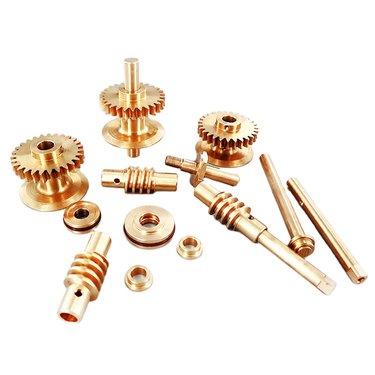
- Brass C360 (Free-Cutting Brass): The industry standard for general machining and high-volume production, C360 contains around 60%+ copper, 30%+ zinc, and approximately 3% lead. Its exceptional machinability allows full utilization of screw machine capabilities, making it suitable for gears, screw machine parts, valve components, plumbing products, fasteners, and industrial equipment parts. Properties include an ultimate tensile strength of 58 ksi, 25% elongation, and 78 HRB hardness (for turning), with a yield tensile strength ranging from 124 to 310 MPa, fatigue strength of 138 MPa, and density of 8.49 g/cm³ (values vary by temper).
- Brass C46400 (Naval Brass): Consists of nearly 60% copper, 40% zinc, and less than 1% tin and lead. This alloy offers enhanced corrosion resistance and strength, making it ideal for marine applications such as propellers, shafts, rudders, and fluid transfer systems in saltwater or oil and gas environments.
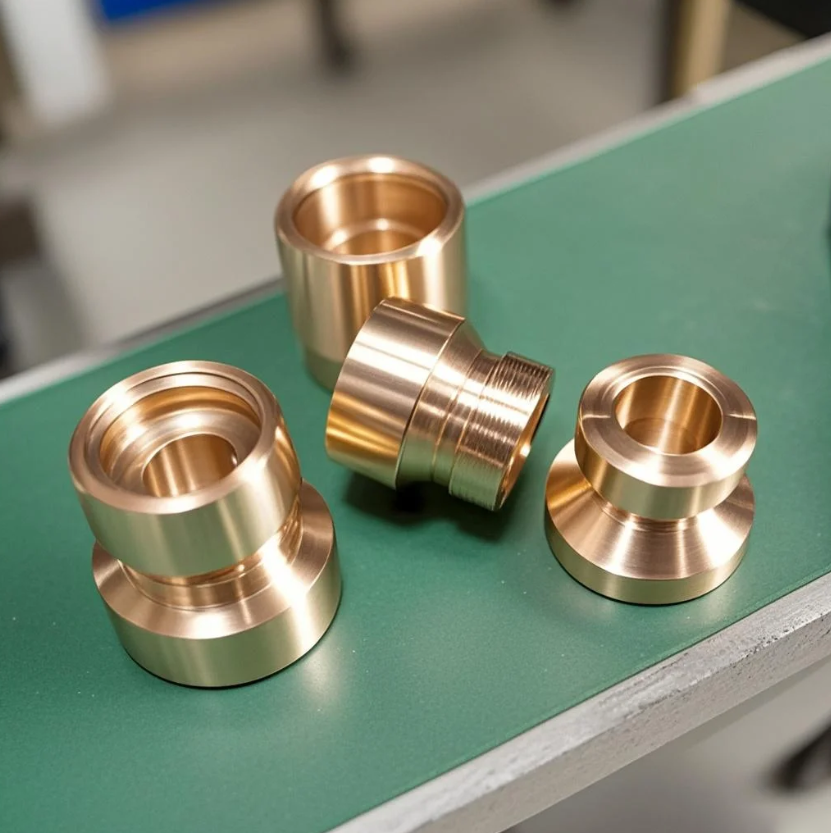
The Brass CNC Machining Process
CNC machining relies on computer numerical control (G-code) generated via computer-aided design (CAD) software to guide tool movements. For brass machining:
- A unique G-code is created for each product based on its CAD design.
- The code is integrated with CNC machines (e.g., mills, lathes, multi-spindle machines, Swiss screw machinery), which shape solid brass stock into the desired form.
- The process accommodates various operations—turning, milling, drilling, and engraving—enabling the production of diverse components from simple screws to complex musical instruments or medical devices.
Advantages of Using Brass in CNC Machining
Beyond its core material properties, brass offers numerous benefits for CNC machining applications:
- Cost Efficiency: More cost-effective than denser metals, with reduced tool wear and faster machining speeds lowering production costs.
- Versatility: Suitable for virtually all CNC machining operations, from prototyping to large-volume production runs.
- Material Compatibility: High workpiece-to-tool compatibility minimizes processing issues.
- Functional Benefits: Antibacterial properties (valuable for medical and hygiene-focused applications), excellent conductivity (for electronics), and wear resistance (for industrial parts) expand its usability.
Essential Brass CNC Machining Techniques
To achieve precision, durability, and aesthetic appeal in brass components, key techniques must be optimized:
Optimizing Cutting Parameters
Critical parameters include spindle speed (tool rotation speed), feed rate (tool advancement speed), cutting depth (tool penetration per pass), rake angle (angle between the tool face and a perpendicular plane), and tooling method (drilling, turning, milling). Adjusting these parameters controls chip formation (preventing long, damaging ribbons), manages heat generation, and ensures adherence to design specs. For example, higher cutting speeds and positive rake angles suit brass’s soft nature, while slower feed rates and shallower cutting depths improve chip control.
Tool Selection
Choosing the right tools involves considering blade coating, cutting speed, angle, and geometry. Carbide blades with positive rake angles and appropriate cutting speeds minimize burr formation and tool wear. Proper tool selection is vital to maintain part integrity and extend tool lifespan.
Surface Finishing Options
Brass often requires minimal finishing due to its natural appeal, but specific applications demand enhanced surface treatments:
- As Machined: Freshly machined brass surfaces often have an attractive finish, eliminating the need for additional processing (with further improvements possible via extra finishing passes).
- Polishing/Buffing/Honing: Creates a smooth, shiny surface ideal for ornamental or cosmetic components, while also improving corrosion resistance by removing surface imperfections.
- Plating: Involves immersing the part in an aqueous electrolyte and charging it alongside another metal, forming a thin protective layer that enhances wear resistance and hardness.
- Powder Coating: Spraying powdered material onto the part and heating it for adhesion, improving durability and aesthetics.
Overcoming Common Challenges in Brass CNC Machining
While brass is machinable, certain challenges can arise—addressable with targeted solutions:
- Tool Wear: Caused by improper cutting parameters; resolved by using high cutting speeds, positive rake angles, and compatible tool materials.
- Chip Control: Slow feed rates and shallow cutting depths produce smaller, safer chips; adjusting parameters prevents machine damage.
- Burr Formation: Optimize cutting speed, feed rate, and depth; use coolants to reduce friction and heat-related burrs.
- Maintaining Tight Tolerances: Implement Design for Manufacturing (DFM) principles to ensure feasibility; use polishing to correct inconsistencies.
Applications of CNC-Machined Brass Parts
Brass’s versatility makes it indispensable across industries:
- Electronics and Electrical: Connectors, terminal studs, PCB fasteners, switches, plugs, sockets, relays, antennas, and heat sinks (leveraging conductivity and heat dissipation).
- Plumbing and Fluid Handling: Pipes, fittings, fixtures, bushings, radiators, heat exchangers, pumps, and marine subsystems (due to corrosion resistance).
- Industrial Equipment: Bushings, bearings, wear plates, connecting rods, shafts, gears, cams, and high-pressure pump components (benefiting from low friction, strength, and machinability).
- Medical Equipment: Gas delivery system components (valves, gaskets), implantable fasteners (screws, pins), and surface fixtures (doorknobs) (utilizing antibacterial properties and biocompatibility—with low-lead alloys preferred).
- Consumer Goods: Jewelry, watches, home decor, fountain pens, sculptures, and musical instruments (trumpets, trombones) (due to aesthetic appeal, workability, and acoustic properties).
Cost-Saving Design Tips for Brass CNC Machining
To maximize efficiency and minimize costs:
- Adopt DFM Principles: Design parts to align with machining capabilities and reduce the number of machine setups.
- Select the Right Alloy: Use cost-effective, cosmetic-focused alloys for non-functional parts; opt for highly machinable alloys (e.g., C360) for complex, heavily machined components like gears.
- Optimize Material Usage: Minimize waste by designing parts that utilize brass stock efficiently.
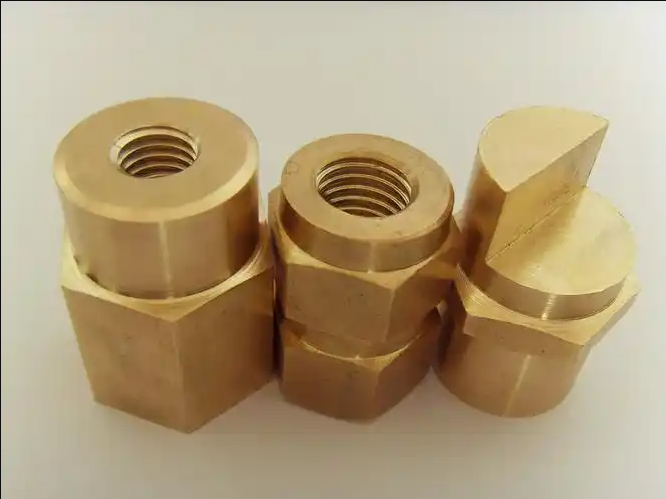
Future Trends in Brass CNC Machining
The future of brass CNC machining is shaped by technological advancements and sustainability:
- AI-Driven Machining: Artificial intelligence optimizes tool paths and cutting parameters for enhanced efficiency and productivity.
- Automation: Reduces human error, increases throughput, and streamlines high-volume production.
- Eco-Friendly Innovations: Development of sustainable brass alloys with superior properties, alongside practices to minimize material waste.
HLW’s Brass CNC Machining Services
HLW specializes in custom brass CNC machining, combining timeless brass properties with modern CNC technology to deliver high-quality components for diverse industries. The company offers:
- Comprehensive Machining Capabilities: Multi-spindle CNC machining (for high-volume, complex parts), Swiss CNC screw machining (precision single-spindle machining with tight tolerances), turning, milling, and value-added services (assembly, finishing, cleaning, engineering support).
- Quality Assurance: Adherence to international standards (ISO 9001:2015, ISO 13485, AS9100D) and ITAR registration, ensuring strict quality and tolerance compliance.
- Flexible Production: Support for prototypes and large-volume production runs with industry-leading turnaround times.
- Expert Guidance: DFM consulting and personalized solutions to meet unique project requirements.
To learn more about HLW’s brass CNC machining services or request a free estimate, call 18664342076 or reach out online at info@helanwangsf.com. Whether for everyday consumer goods or sophisticated industrial components, HLW’s state-of-the-art facility and experienced team deliver precision and reliability in every project.