Characteristics of CNC Turning Processing: A Complete Guide
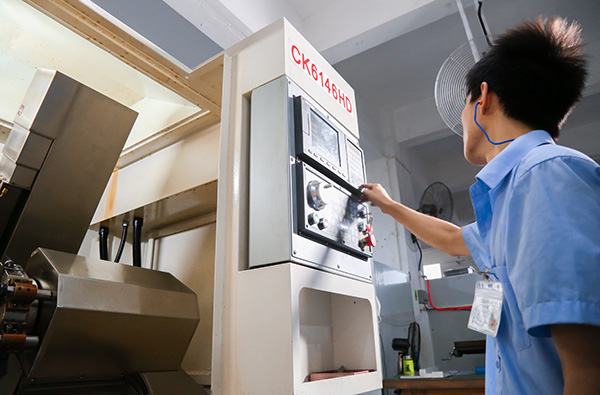
CNC turning is a core subtractive manufacturing process in precision machining, where a workpiece rotates at high speed while a computer‑controlled cutting tool removes material to form cylindrical, conical, and axially symmetrical components. Guided by Computer Numerical Control (CNC) systems, this method delivers exceptional accuracy, repeatability, and efficiency, making it indispensable across aerospace, automotive, medical, electronics, and oil and gas industries. This article systematically breaks down the key characteristics, operations, materials, advantages, machine types, and practical considerations of CNC turning processing, providing clear insights for engineers, manufacturers, and procurement teams.
Core Definition & Working Principle of CNC Turning
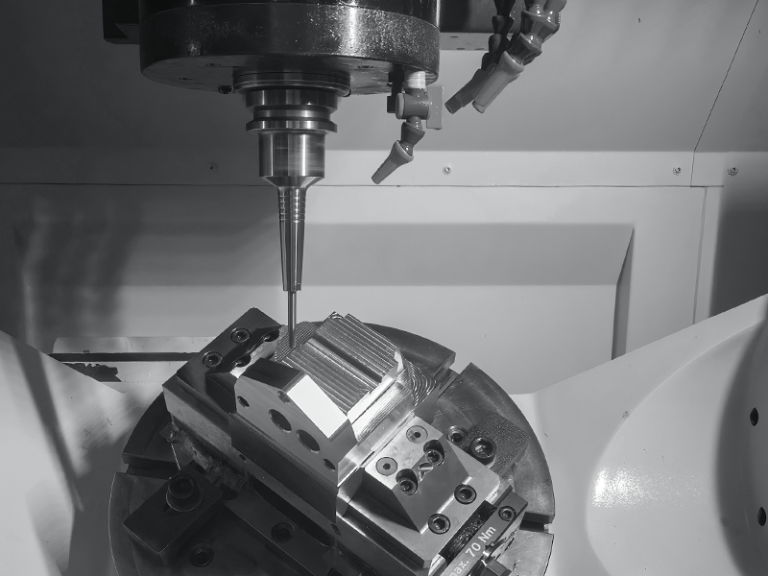
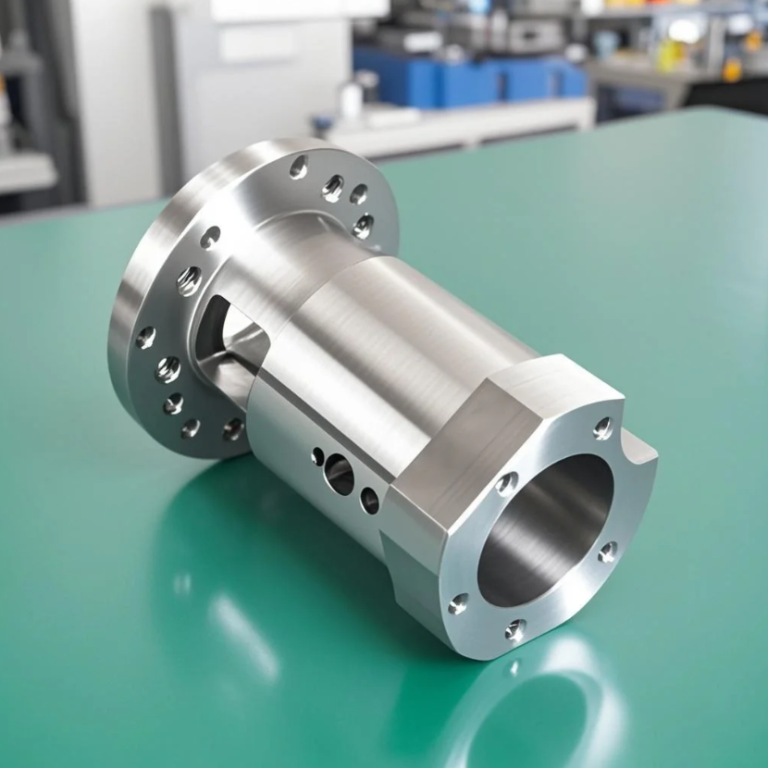
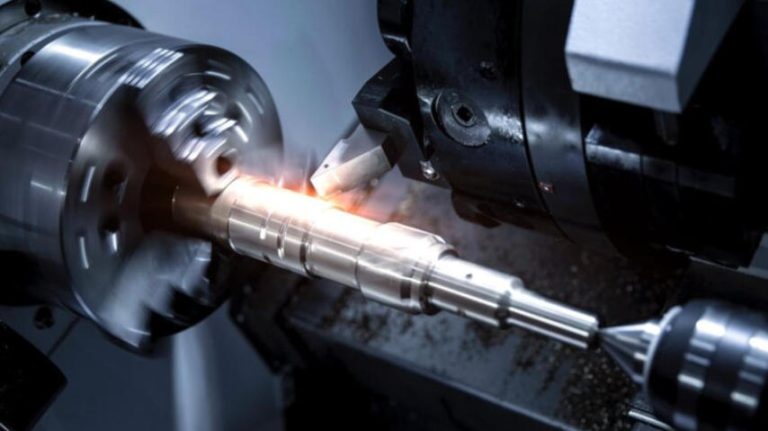
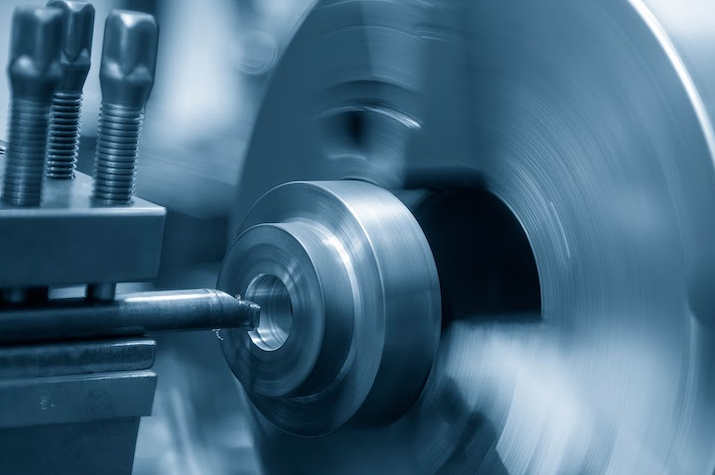
CNC turning is performed on CNC lathes or turning centers. The workpiece is clamped in a chuck connected to the spindle and rotates continuously, while a stationary single‑point cutting tool moves along programmed paths to eliminate excess material. Unlike CNC milling (where the tool rotates), CNC turning centers on rotational symmetry, ideal for producing shafts, bushings, threaded parts, flanges, and hollow components.
The process relies on G‑code generated from CAD/CAM software, which controls spindle speed, feed rate, depth of cut, and tool changes. This automated control ensures every part matches design specifications with minimal human intervention.
Key Characteristics of CNC Turning Processing
1. High Machining Efficiency
CNC turning offers significantly higher material removal rates than grinding, using large cutting depths and high spindle speeds. Multiple surface treatments—such as outer diameter, end face, and internal hole machining—can be completed in one clamping, reducing auxiliary time and improving positional accuracy between features. Automated tool changers, bar feeders, and robotic arms further boost efficiency for mass production.
2. Cost‑Effective Equipment Investment
Under equal productivity, CNC lathes require lower capital investment than grinding machines, with cheaper auxiliary systems. For small‑batch flexible production, CNC turning does not need specialized equipment; for high‑volume precision parts, only rigid, high‑accuracy CNC machines are needed, lowering overall manufacturing costs.
3. Excellent Flexibility for Small‑Batch & Custom Production
CNC turning is highly flexible, with fast clamping and programming adjustments. It easily adapts to prototype manufacturing, small‑batch custom parts, and complex component production, meeting diverse market demands better than traditional processing methods.
4. Superior Precision & Surface Quality
CNC turning achieves tight tolerances as low as ±2.54 microns, ensuring consistent dimensional accuracy. Most cutting heat is carried away by coolant, avoiding surface burns, cracks, or thermal deformities common in grinding. Processes like reaming and facing further refine surface finish for critical applications.
5. Wide Compatibility with Diverse Materials
CNC turning processes various metals and plastics with tailored parameters:
- Metals: Aluminum (lightweight, easy to machine), stainless steel (corrosion‑resistant), brass (smooth cutting), titanium (high strength‑to‑weight ratio), alloy steel, and hardened steel.
- Plastics & Composites: Nylon, PTFE, ABS, polycarbonate, and PEEK, suitable for lightweight, chemical‑resistant parts.
6. Broad Operational Versatility
CNC turning supports a full range of specialized operations to create diverse functional features:
- Turning: Basic operation for straight, tapered, or contoured cylindrical surfaces.
- Facing: Creates flat, perpendicular end surfaces for part preparation and assembly.
- Threading: Cuts internal/external metric or imperial threads for fasteners and connectors.
- Tapping: Creates precise internal threads for screws and bolts.
- Boring: Enlarges and aligns pre‑existing holes to tight internal diameter tolerances.
- Drilling: Produces axial holes of various diameters for assembly and connectivity.
- Grooving: Cuts narrow channels for seals, retaining rings, or keyways.
- Knurling: Presses textured patterns to improve grip and aesthetics for handles and knobs.
- Parting/Cut‑off: Separates finished parts from raw stock with minimal waste.
- Reaming: Refines pre‑drilled holes for ultra‑precision diameter and surface finish.
Types of CNC Turning Machines
CNC turning equipment is divided into lathes and turning centers, available in horizontal and vertical configurations:
- Horizontal CNC Lathes: 2‑axis basic machines for simple turning and boring; common for general parts.
- Vertical CNC Lathes: Ideal for heavy, large, or short workpieces, with stable clamping and easy operation.
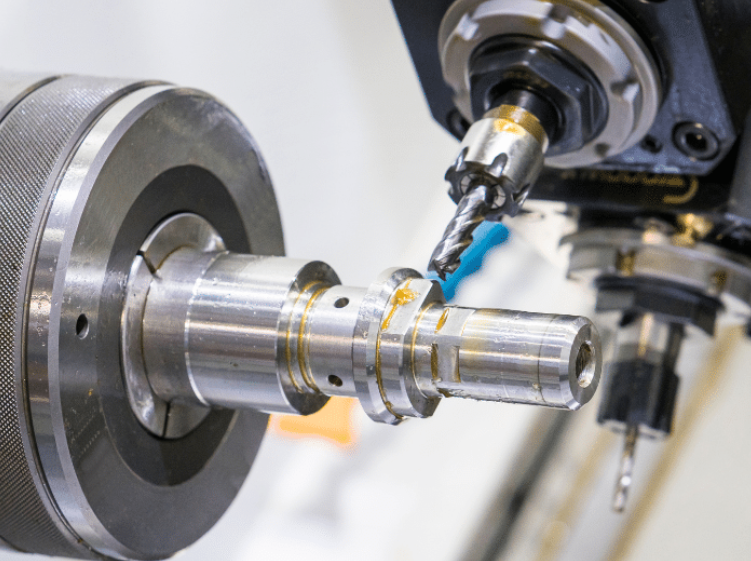
- Horizontal Turning Centers: Multi‑axis (3–5 axis) with live tooling, enabling milling, drilling, and tapping in one setup.
- Vertical Turning Centers: Combine turning and milling functions, suitable for large, complex components.
A key upgrade is live tooling, which allows rotating tools to perform off‑axis operations, eliminating secondary machining and reducing production time.
Tool Materials & Cutting Fluid Selection
Tool Materials
- Coated Carbide Tools: Balanced toughness and wear resistance, with low thermal conductivity for general machining.
- Ceramic Tools: High hardness, heat resistance, and low friction, perfect for high‑speed finishing of hard materials.
- Cubic Boron Nitride (CBN) Tools: Second only to diamond in hardness, ideal for hardened steel, superalloys, and high‑temperature machining.
Cutting Fluid Guidelines
- Tool steel tools: Use high‑cooling, low‑viscosity fluid.
- High‑speed steel tools: Cooling fluid for rough cutting; low‑viscosity fluid for finishing.
- Carbide tools: Active sulfur cutting fluid for general use; inactive sulfur fluid for heavy cutting.
- Ceramic/CBN tools: Low‑viscosity inactive sulfur fluid to preserve surface finish.
Critical Advantages of CNC Turning Processing
- Unmatched Precision & Repeatability: Consistent quality from 1 to 10,000 parts, meeting strict aerospace and medical standards.
- Reduced Human Error: Automated control minimizes mistakes, lowering scrap rates.
- Complex Geometry Capability: Creates threads, tapers, grooves, and contours impossible with manual lathes.
- Enhanced Safety: Fully enclosed work areas and automated operation reduce workplace accidents.
- CAD/CAM Integration: Seamless design‑to‑production workflow, shortening lead times.
Key Considerations for CNC Turning Processing
- Material Properties: Adjust cutting speed, feed, and tools based on material hardness, melting point, and machinability.
- Part Complexity: Simple parts use basic turning; complex parts need multi‑axis machines and live tooling.
- Production Volume: High volume benefits from automation; low volume prioritizes precision processes like boring and reaming.
- Tolerance & Surface Finish: Critical applications use reaming, threading, and facing for tight tolerances and smooth surfaces.
- Machine Capabilities: Choose multi‑axis turning centers for complex parts to reduce setups and improve accuracy.
Future Trends of CNC Turning Processing
CNC turning is evolving with intelligent manufacturing:
- AI & IoT Integration: Real‑time parameter optimization, predictive tool wear, and remote monitoring.
- Multi‑Tasking Machines: Combined turning, milling, and drilling for one‑stop machining.
- Automation: Robotic part handling and automatic tool changers for uninterrupted production.
- Advanced Tools: High‑performance coatings and materials to extend tool life and handle extreme materials.
Conclusion
CNC turning processing stands out for its high efficiency, precision, flexibility, and cost‑effectiveness, serving as a foundation of modern precision manufacturing. Its ability to process diverse materials, create complex symmetrical components, and adapt to both small‑batch and mass production makes it essential for critical industries. By understanding its core characteristics, operations, and best practices, manufacturers can select optimal parameters, choose suitable equipment, and produce high‑quality parts that meet strict industrial standards.
For professional CNC turning services, contact HLW—we deliver reliable, high‑precision machining solutions for global clients.
Tel: +86 18664342076
Email: info@helanwangsf.com