CNC Machining Cost: 2026 Full Guide to Pricing, Factors & Cost-Saving Tips
Introduction
CNC machining is a precision manufacturing process widely used for producing complex metal and plastic parts across industries like aerospace, automotive, medical, and electronics. Understanding CNC machining cost is critical for budgeting, project planning, and staying competitive in the market. Unlike conventional machining, CNC machining involves automated equipment, skilled labor, and multiple cost components that shape the final price.
In this 2026 guide, we break down all factors that determine CNC machining costs, share typical hourly and per-part rates, and provide actionable tips to reduce expenses without compromising quality. All insights are based on real industry data and practical manufacturing experience.
Is CNC Machining Expensive?
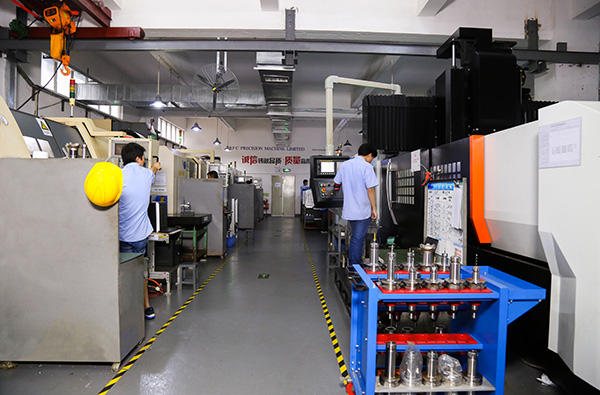
CNC machining is generally more costly than traditional manual machining, especially for small-batch production and prototypes. The main reasons include high-cost multi-axis equipment, lengthy setup and tooling, and demand for skilled operators.
However, the cost is justified by its ability to deliver intricate parts with tight tolerances, high consistency, and fast production speeds. For large-volume orders, the per-part cost drops significantly due to economies of scale.
Typically, CNC machining costs range from $30 to $200+ per hour. Simple 3-axis machining is on the lower end, while complex 5-axis and high-precision projects fall on the higher end.
Key Factors That Determine CNC Machining Cost
CNC machining pricing is not fixed—it depends on a combination of direct and indirect costs. Below are the most influential factors:
1. Material Cost
Material is one of the largest contributors to total machining cost, affected by raw material price and machinability.
- Common metals: Aluminum (6061), carbon steel, and stainless steel 304/316 are affordable and easy to machine.
- High-cost materials: Titanium, Inconel, copper, and carbon fiber are expensive and hard to machine, increasing tool wear and processing time.
- Plastics: ABS, Nylon, Delrin, and PC are low-cost options with good machinability.
- Material cost range (2025 estimate): $2–$80 per kg, depending on type and grade.
2. Machine Axis Capability & Part Complexity
The number of axes and part design complexity directly impact equipment cost and machining time:
- 3-axis milling: $35–$120/hr, for simple parts (brackets, plates, enclosures).
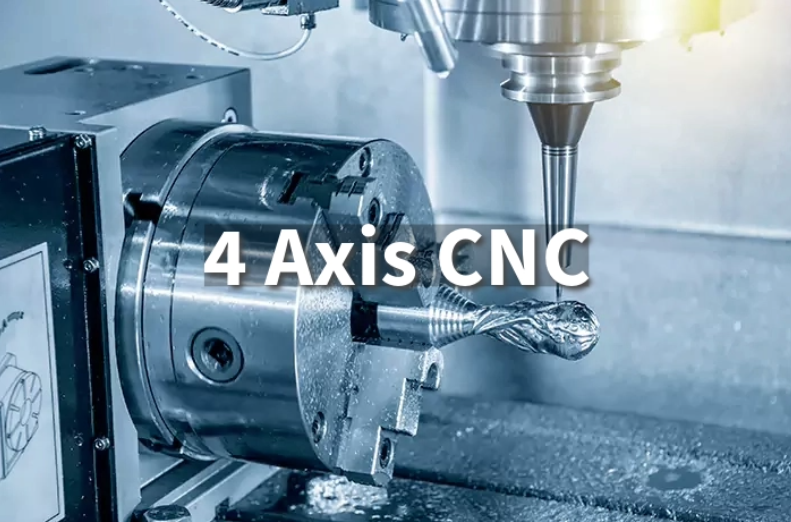
- 4-axis milling: $50–$150/hr, for complex rotating parts (gear blanks, jigs).
- 5-axis milling: $75–$250+/hr, for ultra-complex parts (impellers, turbine blades, medical implants).
- CNC turning: $40–$110/hr, ideal for shafts, bushings, and threaded parts.Complex designs with deep pockets, thin walls, and sharp internal corners require more programming, tool changes, and setup time, raising costs.
3. Programming & Machine Setup Cost
CNC machines rely on G-code/M-code programs generated from 3D models. Complex parts need longer programming hours.
Setup includes tool installation, fixture calibration, and workpiece alignment—charged hourly. Small batches spread fixed setup costs over fewer parts, leading to higher per-unit costs. Setup fees range from $50 to $1,000+ based on complexity.
4. Production Volume & Batch Size
Volume is the most impactful factor for per-part pricing:
- Prototypes/small batches (1–100 pieces): High per-unit cost, as setup, programming, and tooling costs are not diluted.
- Large batches (1,000+ pieces): Significantly lower per-part cost, with fixed costs spread across more units.Ordering 1,000 pieces instead of 10 can reduce per-part cost by 80–95%.
5. Machining Time
Longer machining time equals higher costs, as it consumes more electricity, machine hours, and labor. Hard materials, complex geometries, and thick workpieces extend cutting time and accelerate tool wear.
6. Tooling Cost
CNC cutting tools (end mills, drills, inserts) have a limited lifespan and need replacement. Hard materials like titanium wear tools faster, increasing tooling expenses. Standard tools are affordable; custom or diamond-coated tools cost significantly more.
7. Post-Processing & Finishing Cost
Secondary processes add to the total bill:
- Low-cost finishes: As-machined, deburring ($0–$50 per project).
- High-cost finishes: Anodizing, electroplating, powder coating, passivation ($50–$500+ per project).
8. Labor Cost
Skilled CNC operators, programmers, and inspectors are essential. Labor rates vary by region: $10–$100+/hr. HLW’s global manufacturing base helps optimize labor costs while maintaining quality.
9. Precision & Tolerance Requirements
Tight tolerances (±0.02–±0.05mm) need high-precision equipment, slower feed rates, and rigorous inspection, increasing costs. Standard tolerances (±0.127mm) are the most cost-effective. Only apply tight tolerances to critical functional features.
10. Overhead, Quality Control & Logistics
Indirect costs include workshop rent, machine maintenance, utilities, quality inspection (CMM, 3D scanners), packaging, and shipping. Strict industry standards (medical, aerospace) raise QC and compliance costs.
Typical CNC Machining Cost Breakdown (2026)
Hourly Rates by Machine Type
表格
| CNC Machining Type | Typical Hourly Cost (USD) | Common Applications |
|---|---|---|
| 3-Axis Milling | $35 – $120 | Brackets, plates, enclosures |
| 4-Axis Milling | $50 – $150 | Complex gears, jigs, rotor plates |
| 5-Axis Milling | $75 – $250+ | Impellers, medical implants, turbine parts |
| CNC Turning | $40 – $110 | Shafts, bushings, threads |
| Swiss Turning | $80 – $120 | Micro parts, watch screws |
| CNC EDM | $60 – $150 | Hard alloys, fine die cuts |
| High-Precision CNC | $80 – $200+ | Aircraft fittings, orthopedic parts |
Per-Part Cost Examples
- Simple aluminum parts (small batch): $10–$50 per piece.
- Complex precision parts (low volume): $160+ per piece.
- Large-batch standard parts: $5–$10 per piece (after cost dilution).
Prototype Cost Range
CNC milling prototypes typically cost $500–$2,000+, based on part size, material, and complexity.
How to Reduce CNC Machining Cost (Proven Tips)
You can cut costs by 30–60% with these best practices, without sacrificing part performance:
1. Optimize Design for Manufacturability (DFM)
- Simplify geometry; avoid sharp internal corners, deep pockets, and thin walls.
- Use standard hole sizes, thread lengths, and uniform wall thickness.
- Reduce unnecessary features to minimize tool changes and setups.
2. Choose Cost-Effective Standard Materials
- Use aluminum 6061, carbon steel, or ABS instead of titanium or exotic alloys when possible.
- Select standard-sized stock materials to reduce material waste and preparation time.
3. Manage Tolerances Wisely
- Apply tight tolerances only to critical features.
- Use standard ±0.127mm tolerances for non-critical dimensions.
4. Order Larger Batches
- Combine orders to increase volume and spread fixed setup/programming costs.
- For long-term projects, plan bulk production to lock in lower per-unit prices.
5. Streamline Processes & Automate
- Use lean manufacturing (5S, value stream mapping) to reduce waste and downtime.
- Automate tool changes, machine tending, and material handling to cut labor costs.
6. Minimize Post-Processing
- Use as-machined or basic deburring finishes unless required by application.
- Avoid unnecessary surface treatments to save time and labor.
Why Choose HLW for Your CNC Machining Projects?
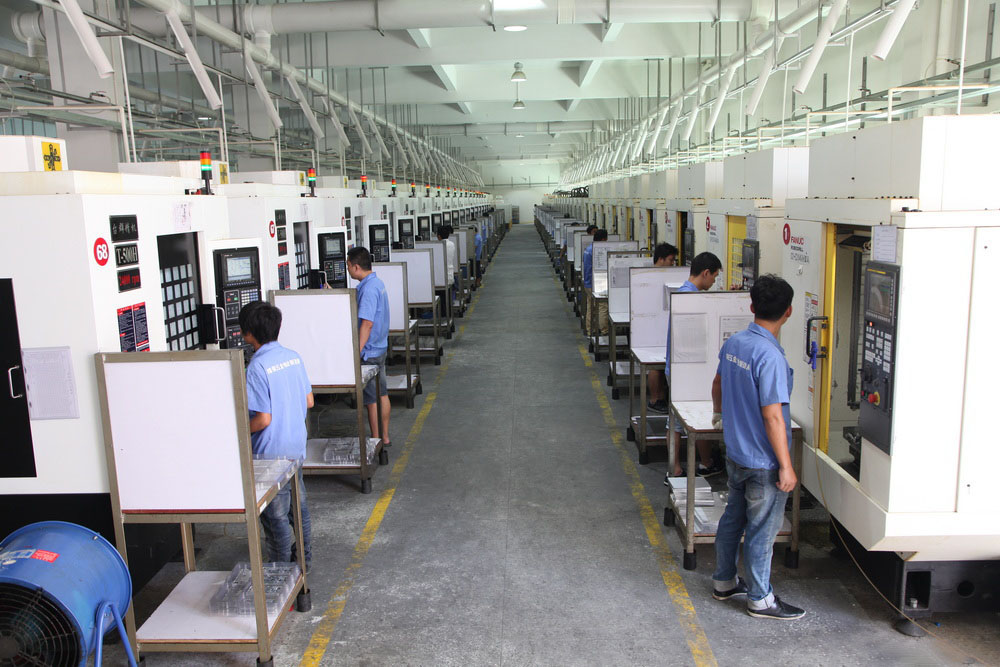
HLW is a trusted precision CNC machining manufacturer with years of industry experience. We help clients optimize costs at every production stage while delivering high-quality parts:
- DFM design optimization to lower complexity and processing time.
- Cost-effective material selection and standardized processes.
- High automation for consistent quality and reduced labor costs.
- Lean manufacturing to minimize waste and maximize efficiency.
- Flexible production for prototypes, small batches, and large-scale orders.
Get a fast, transparent quote for your CNC machining project today!
- Phone: +86 18664342076
- Email: info@helanwangsf.com
Conclusion
CNC machining cost is determined by material, machine type, complexity, volume, tolerances, labor, and post-processing. While small-batch and complex projects have higher prices, large-volume orders and design optimization can drastically reduce expenses.
By understanding these cost factors and applying the cost-saving tips above, you can budget effectively and get the best value for your CNC machining projects. Partner with HLW to access professional manufacturing solutions that balance cost, quality, and lead time.
FAQs
1. How much does CNC machining cost per hour in 2026?
CNC machining hourly rates range from $30 to $200+, depending on machine axis, precision, and project complexity.
2. How is CNC machining cost calculated?
Total cost = material cost + setup/programming cost + machine time + labor cost + tooling + post-processing + overhead + logistics.
3. Is aluminum cheaper to machine than stainless steel?
Yes—aluminum is softer, faster to machine, and causes less tool wear, making it more cost-effective than stainless steel.
4. What is the most cost-effective tolerance for CNC machining?
±0.127mm is the standard, cost-effective tolerance for most general applications.
5. Can large orders reduce CNC machining costs?
Yes—larger batches spread fixed setup and programming costs, lowering per-part cost significantly.