CNC Machining Cost Calculation Guide: Factors, Rates & Money-Saving Tips
CNC machining is a cornerstone of precision manufacturing, delivering high-quality parts for aerospace, medical, automotive, and consumer goods industries. However, understanding CNC machining cost calculation can be complex, as it depends on multiple interrelated factors—from material selection to production volume and machine type. This comprehensive guide breaks down the key cost drivers, provides transparent pricing benchmarks, and shares actionable strategies to optimize expenses without compromising quality. Whether you’re a startup prototyping a new product or a large manufacturer scaling production, this guide helps you navigate CNC machining costs with confidence.
Key Factors Influencing CNC Machining Costs
CNC machining costs are not one-size-fits-all; they’re shaped by a combination of technical, material, and operational variables. Below are the most critical factors to consider:
1. Material Costs
Material selection is one of the biggest cost determinants, as raw material prices vary widely based on availability, machinability, and performance properties. Common materials and their 2025 estimated price ranges (per kilogram) include:
- Economical options: Aluminum ($5–$15), carbon steel ($2–$5), ABS plastic ($2–$4), nylon ($3–$6)
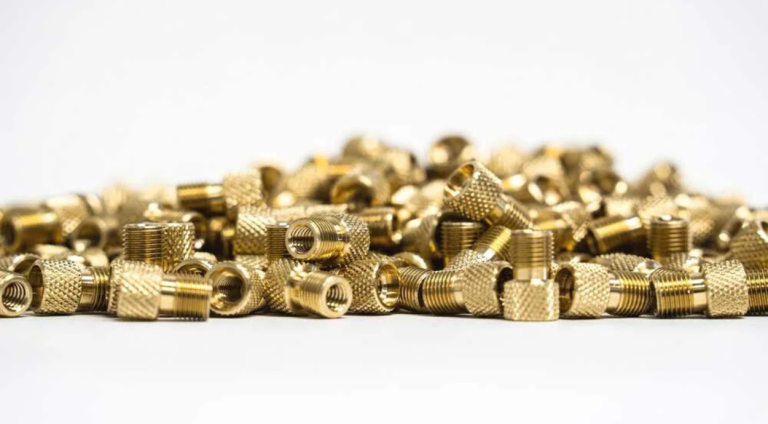
- Mid-range materials: Brass ($10–$20), copper ($9–$15), stainless steel ($15–$25), tool steel ($10–$20)
- High-performance materials: Titanium ($30–$50), Inconel ($60–$80), composites (G10: $30–$50), ceramics (e.g., alumina: $100+)
Machinability also impacts costs: harder materials like titanium or Inconel wear tools faster, extend machining time, and require specialized tooling—driving up overall expenses. Soft materials with high elasticity can also increase costs due to processing challenges. Additionally, raw material market fluctuations and waste factors (critical for expensive materials) must be factored into budgets.
2. Part Design Complexity & Tolerances
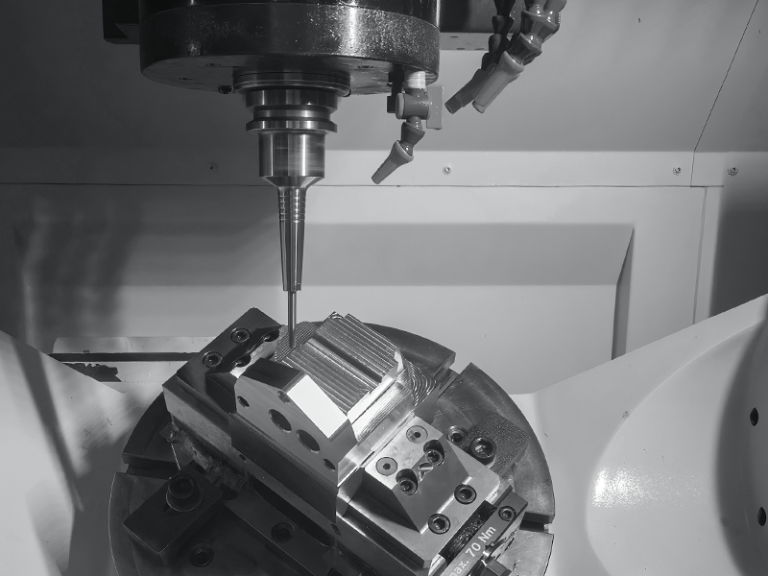
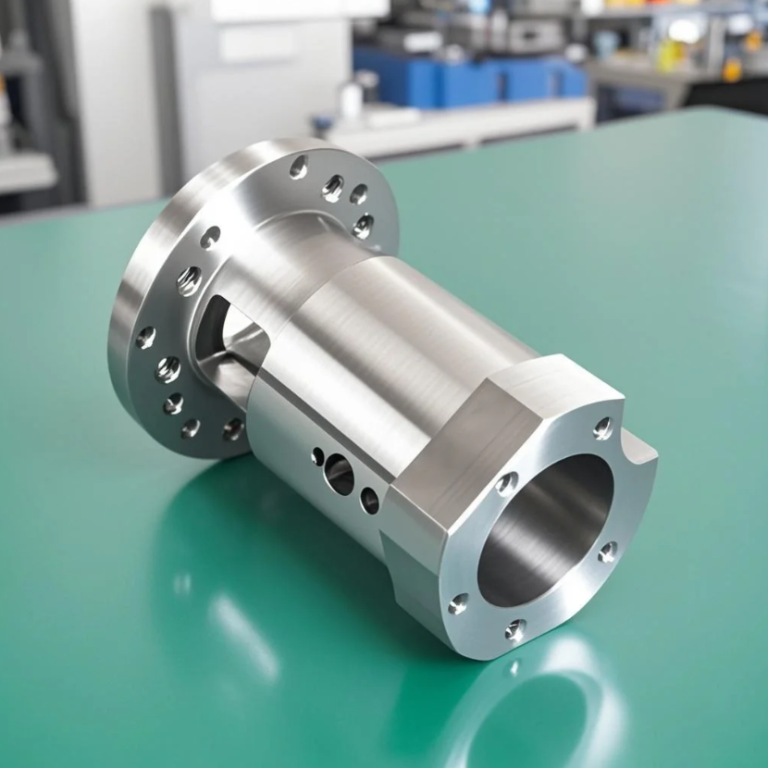
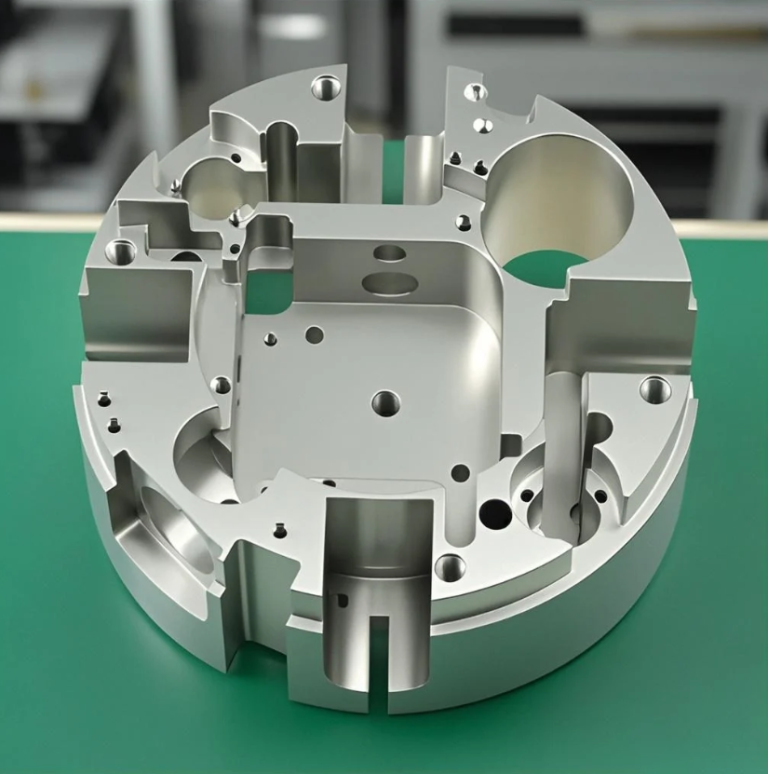
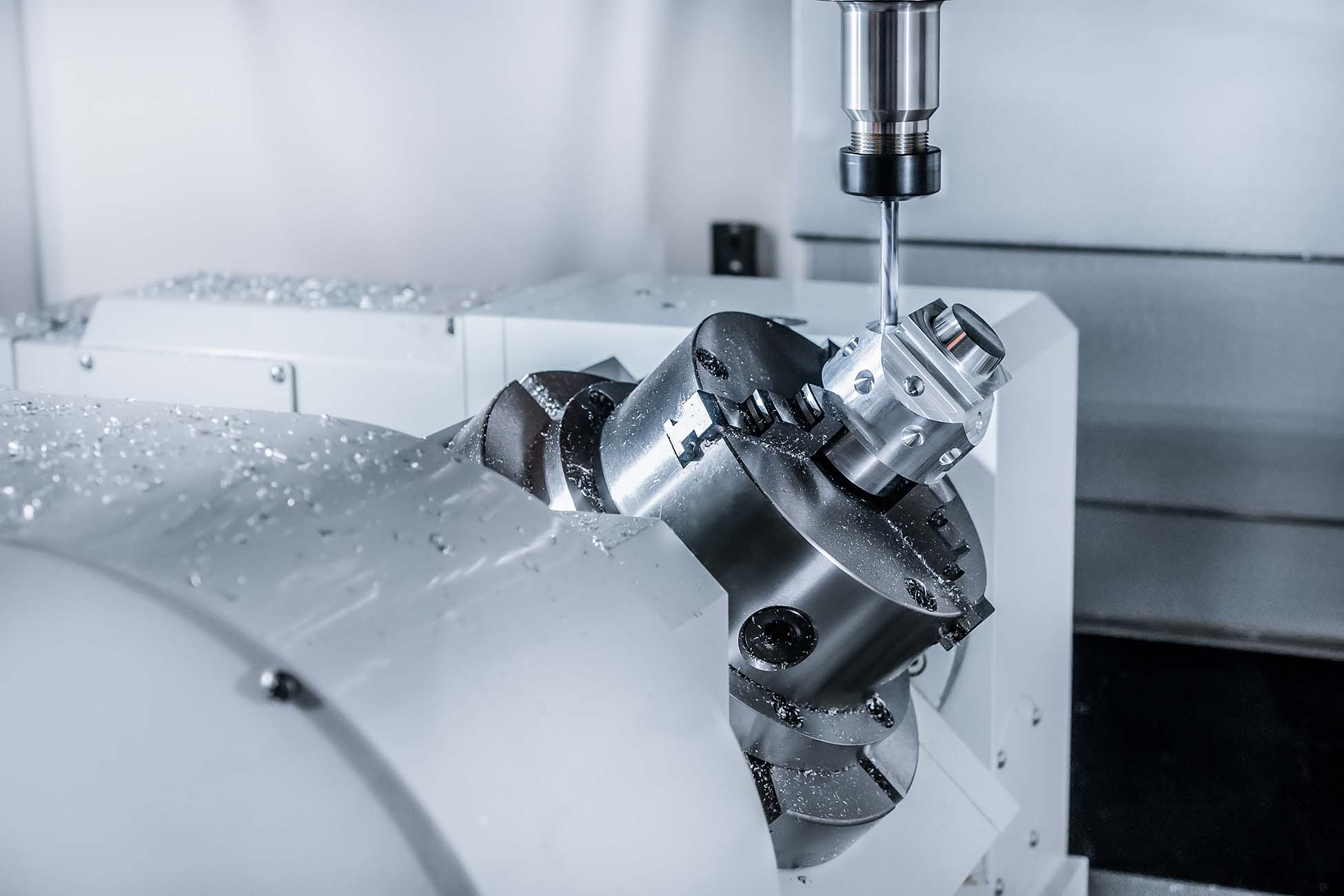
Intricate designs with complex geometries (e.g., undercuts, curved surfaces, deep cavities) require advanced multi-axis machines (4-axis or 5-axis) and detailed programming, increasing both setup and machining time. Tight tolerances (e.g., ±0.001 inches) also demand precision equipment and skilled operators, further raising costs. Simplifying non-critical features, using uniform wall thickness, and avoiding unnecessary cavities can significantly reduce expenses without sacrificing functionality.
3. Machine Type & Hourly Rates
CNC machine capabilities directly influence hourly rates, with advanced machines commanding higher fees due to their precision and versatility. 2025 hourly rate benchmarks include:
- 3-axis mills/routers: $20–$40 per hour (ideal for simple parts)
- 4-axis machines: $40–$50 per hour (for moderately complex parts)
- 5-axis machines: $40–$120 per hour (for high-precision, complex geometries)
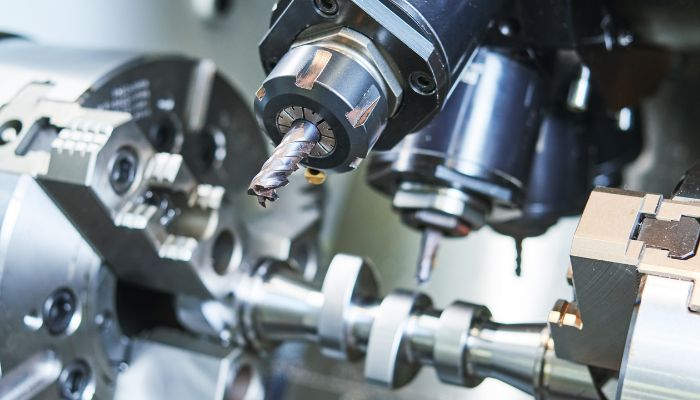
- Specialized equipment (CNC Swiss machines, laser cutters): $30–$70+ per hour
Machine upfront costs also impact shop rates—for example, 5-axis machines cost $75,000–$250,000, while basic 3-axis mills range from $10,000–$60,000. Shops typically amortize these costs over 5,000 annual operating hours to set hourly rates.
4. Machining Time & Setup Fees
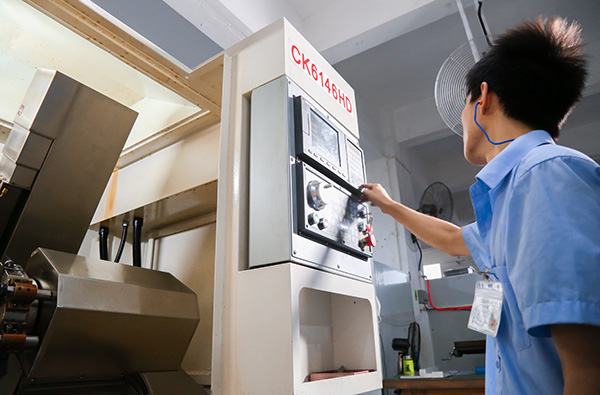
Total machining time includes cycle time (actual cutting) and setup time (tooling, programming, and machine preparation). Setup fees are fixed costs (covering CAD/CAM programming, tool changes, and fixture setup) that range from $50–$200+ per project, depending on complexity. Programming alone costs ~$30 per hour for skilled CNC programmers who analyze part specs, create toolpaths, and test code.
Cycle time depends on cutting speed, feed rates, and part complexity—simple parts may take minutes, while complex components require hours of machining. Optimizing toolpaths with AI-enhanced software can reduce cycle time by up to 30%.
5. Production Volume & Economies of Scale
Batch size has a dramatic impact on per-unit costs:
- Low-volume/prototyping (1–10 parts): Higher per-unit costs, as fixed setup fees are spread across fewer units. Simple parts may cost $10–$50 each, while complex parts can exceed $160 per unit.
- Medium-volume (100–1,000 parts): Per-unit costs drop by 30–60% due to economies of scale. For example, aluminum parts that cost $30 each in small batches may fall to $15–$20 each in medium volumes.
- High-volume (1,000+ parts): Maximum cost savings, with per-unit costs reduced by 60% or more. Bulk material purchasing and optimized production flow further lower expenses.
6. Additional Costs
- Tooling: Wear and replacement of cutting tools, especially for hard materials, adds $5–$50+ per project.
- Surface finishing: Processes like anodizing ($3–$12/part), polishing ($2–$15/part), electroplating ($10–$30/part), or powder coating ($30–$60/part) increase costs but enhance part performance.
- Heat treatment: Annealing ($0.50–$3/part), case hardening ($10–$50/part), or titanium heat treatment ($100–$200/part) adds expense for high-performance applications.
- Testing & quality control: CMM inspections, material certifications, and compliance testing (e.g., for medical/aerospace) contribute to costs.
- Packaging & shipping: Standard packaging is often free, but wooden crates ($50–$500+) or custom flight cases ($200–$2,000+) are needed for fragile/large parts. International shipping and customs duties (5–20% of product value) apply to cross-border orders.
- Expedited fees: Rush orders may incur 20–50% premium charges to prioritize production.
Step-by-Step CNC Machining Cost Calculation
To estimate CNC machining costs accurately, follow this formula and process:
1. Calculate Material Cost
Material Cost = (Part Volume + Waste Allowance) × Material Density × Material Unit Price
- Example: A 0.5kg aluminum part (density 2.7g/cm³) with 10% waste allowance: (0.5kg + 0.05kg) × $10/kg = $5.50
2. Calculate Machining Time & Machine Cost
Machining Time = Cycle Time + Setup Time
Machine Cost = Machining Time × Hourly Machine Rate
- Example: 2 hours of setup + 3 hours of cycle time × $40/hour (3-axis mill) = $200
3. Add Additional Costs
Total Cost = Material Cost + Machine Cost + Tooling Cost + Finishing Cost + Testing/Packaging/Shipping Costs
- Example: $5.50 (material) + $200 (machine) + $10 (tooling) + $8 (anodizing) + $25 (shipping) = $248.50
4. Adjust for Production Volume
Per-Unit Cost = Total Cost ÷ Number of Parts
- Example: $248.50 ÷ 10 parts = $24.85/part; $248.50 ÷ 100 parts = $2.49/part
HLW offers a free online CNC machining cost calculator to streamline this process—simply upload your CAD file, select material and quantity, and get an instant quote.
Money-Saving Strategies for CNC Machining
Reduce costs without compromising quality with these proven tactics:
1. Optimize Design for Manufacturability (DFM)
- Simplify geometries to avoid 5-axis machining unless critical.
- Use standard tolerances (e.g., ±0.005 inches) instead of overly tight specs.
- Minimize tool changes by designing parts with uniform features.
- Collaborate with HLW’s engineering team early to identify cost-saving design tweaks.
2. Choose the Right Material
- Select cost-effective materials that meet performance needs (e.g., aluminum instead of titanium for non-critical parts).
- Standardize materials across product lines to simplify procurement and reduce waste.
- Avoid over-specifying high-performance materials for low-stress applications.
3. Leverage Batch Production
- Combine small orders into larger batches to spread setup costs.
- Plan production timelines to avoid rush fees—standard lead times are 5–20 days for medium volumes.
4. Optimize Processes & Technology
- Use AI-driven toolpath optimization to reduce cycle time.
- Adopt automation (robotic loading/unloading) to cut labor costs and improve consistency.
- Choose surface finishes only when necessary—“as-machined” finishes (Ra 3.2) are often sufficient.
5. Partner with a Trusted Provider
- Work with ISO 9001-certified providers like HLW to avoid rework costs from poor quality.
- Negotiate bulk material pricing and long-term contracts for repeat orders.
- Use outsourcing for specialized processes instead of investing in expensive equipment in-house.
HLW’s Transparent CNC Machining Pricing & Services
HLW simplifies CNC machining cost calculation with transparent pricing, expert guidance, and flexible solutions for every project size. Our key offerings include:
- Free instant quotes via our online cost calculator.
- Access to 50+ materials (metals, plastics, composites) at competitive rates.
- Advanced equipment (3-axis to 5-axis machines) to match your project’s complexity.
- Comprehensive value-added services: design optimization, surface finishing, heat treatment, and global shipping.
- 100% on-time delivery guarantee and 98%+ quality rate.
Whether you need a single prototype or 100,000 production parts, HLW’s team works with you to balance cost, quality, and lead time. Our pricing is competitive—for example, 500 aluminum 6061 parts (41×52×35mm, as-machined) start at $6.62 per unit with a 12-day lead time.
Frequently Asked Questions (FAQs) About CNC Machining Costs
Q1: How much does CNC machining cost per hour?
A1: Hourly rates range from $20–$40 for 3-axis machines, $40–$50 for 4-axis, and $40–$120 for 5-axis machines, depending on complexity.
Q2: Why is 5-axis machining more expensive?
A2: 5-axis machines have higher upfront costs ($75k–$250k) and require specialized programming, but they reduce setup time for complex parts—saving money for high-volume runs.
Q3: Can I reduce costs by using 3D printing instead?
A3: 3D printing is cost-effective for small batches (1–10 parts) but more expensive than CNC machining for medium-to-high volumes due to slower production speeds.
Q4: What’s the biggest hidden cost in CNC machining?
A4: Rework from poor design or low-quality providers—partnering with HLW eliminates this risk with strict quality control.
Get a Custom CNC Machining Quote Today
Understanding CNC machining cost calculation is key to budgeting effectively and maximizing value. By focusing on design optimization, material selection, and batch production, you can significantly reduce expenses while maintaining precision and quality.
HLW’s team of CNC experts is ready to help you calculate costs, optimize your project, and deliver high-quality parts at competitive prices. For a free, no-obligation quote, upload your CAD file to our cost calculator, call us at +86 18664342076, or email inquiries to info@helanwangsf.com. Let us help you turn your design into reality—on time and within budget.