
In the backbone of global manufacturing, CNC (Computer Numerical Control) machining stands as an indispensable technology for producing industrial components—delivering precision, durability, and scalability that meet the rigorous demands of diverse industrial sectors. From small precision parts to large structural components, CNC machining transforms raw materials into critical assets that power machinery, equipment, and infrastructure, driving efficiency and reliability across industries.
What is CNC Machining for Industrial Components?
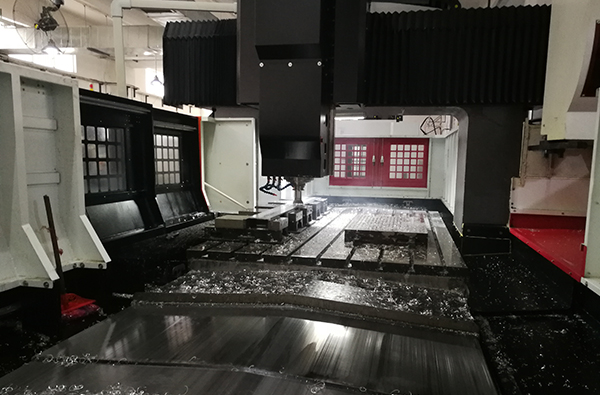
CNC machining for industrial components refers to the computer-controlled subtractive manufacturing process used to shape, cut, and finish parts essential for industrial operations. Leveraging pre-programmed CAD/CAM software, HLW’s CNC systems—including 3-axis, 4-axis, 5-axis milling, turning, Swiss machining, and high-speed cutting—execute precise operations on a wide range of industrial-grade materials. This technology eliminates manual errors, ensures consistent part quality, and adapts seamlessly to both high-volume production runs and custom, low-volume components, making it a cornerstone of modern industrial manufacturing.
Industrial components machined via CNC include gears, shafts, housings, brackets, valves, fittings, turbine parts, and structural frames—each requiring tight tolerances and robust performance to withstand harsh industrial environments (e.g., extreme temperatures, pressure, and friction). The flexibility of CNC machining allows for rapid reprogramming, enabling manufacturers to switch between part designs with minimal downtime, a key advantage in dynamic industrial markets.
Core Advantages of CNC Machining for Industrial Components
Uncompromised Precision and Consistency
Industrial machinery relies on components that fit and function flawlessly together. CNC machining achieves micron-level precision and repeatability, adhering to tight tolerances (often ±0.001 inches or tighter) that manual or traditional manufacturing methods cannot match. This consistency ensures interchangeability of parts, reduces assembly issues, and minimizes equipment downtime—critical for industries where operational continuity is non-negotiable.
Versatility in Complex and Large-Scale Components
CNC machining excels at producing both intricate, small-scale parts (e.g., precision gears and valves) and large, heavy-duty components (e.g., machine frames, turbine casings, and industrial tooling). Advanced 5-axis CNC machines and large-format machining centers from HLW handle workpieces of varying sizes, including those weighing thousands of pounds, while maintaining precision across complex geometries—such as internal cavities, irregular contours, and multi-faceted surfaces.
Broad Material Compatibility
Industrial components demand materials tailored to specific performance needs, and CNC machining supports a diverse range of substrates:
- Metals: Steel, aluminum, brass, copper, titanium, and alloys (e.g., Inconel, stainless steel) for strength and corrosion resistance.
- Plastics: Engineering plastics (e.g., ABS, PEEK, nylon) for lightweight, wear-resistant parts.
- Composites and exotic materials: Used in high-stress applications like aerospace and energy sectors.This versatility allows HLW to cater to the unique material requirements of every industrial niche.
Efficiency and Cost-Effectiveness
Automation integration—including robotic loaders, automated tool changers, and real-time monitoring—enables HLW’s CNC machines to operate 24/7 with minimal human intervention, boosting production throughput. For high-volume runs, CNC machining reduces per-unit costs by minimizing material waste and setup times. Even for custom or low-volume components, rapid programming and tooling flexibility eliminate the need for expensive specialized fixtures, delivering cost savings without compromising quality.
Scalability and Speed-to-Market
Whether for prototyping, bridge production, or full-scale manufacturing, CNC machining scales seamlessly to meet industrial demand. Rapid prototyping allows engineers to test and refine component designs quickly, accelerating product development cycles. For urgent industrial needs, HLW’s optimized workflows and advanced machinery ensure fast turnaround times, helping clients meet tight project deadlines.
Key Industrial Sectors Leveraging CNC Machining
CNC machining is the backbone of numerous industrial sectors, each relying on its capabilities to produce critical components:
Automotive and Transportation
The automotive industry depends on CNC-machined components for engines (crankshafts, camshafts), transmissions (gears, clutches), chassis (brackets, suspension parts), and electric vehicle (EV) systems (battery housings, motor components). These parts require high durability and precision to withstand extreme operating conditions.
Aerospace and Defense
Aerospace and defense demand components that meet strict safety and performance standards. CNC machining produces aircraft structural parts (wings, fuselage components), engine turbines, landing gear parts, and defense equipment components—often using lightweight, high-strength materials like titanium and composites.
Energy and Power Generation
From renewable energy (wind turbine hubs, solar panel mounting brackets) to traditional power (gas and steam turbine components, generator parts), CNC machining delivers components that endure high pressure, temperature, and rotational forces. Precision is critical here to ensure energy efficiency and equipment longevity.
Heavy Machinery and Construction
Construction, agriculture, and mining machinery rely on rugged CNC-machined parts: gears, shafts, hydraulic valves, and structural frames. These components must withstand heavy loads and harsh outdoor conditions, requiring robust materials and precise fabrication.
Manufacturing and Industrial Equipment
CNC machining produces parts for industrial robots, conveyor systems, pumps, and compressors—enabling the smooth operation of manufacturing facilities. Custom brackets, housings, and mechanical components ensure equipment reliability and productivity.
Electronics and Technology
Even the electronics sector benefits from CNC machining, with precision parts like heat sinks, enclosures for industrial control systems, and custom connectors—all requiring tight tolerances to integrate with sensitive electronic components.
Addressing Industrial CNC Machining Challenges
Industrial component machining often faces unique challenges, which HLW resolves through advanced technology and expertise:
- Large-part machining: Maintaining precision for oversized components requires stable, high-capacity machining centers and specialized fixturing. HLW’s large-format CNC systems ensure consistent quality for heavy-duty parts.
- Hard-to-machine materials: Exotic alloys and composites demand specialized tooling and cutting strategies. HLW uses high-performance tools and optimized cutting parameters to minimize wear and maximize efficiency.
- Complex geometries: Intricate industrial parts (e.g., multi-cavity valves, spiral gears) are simplified via 5-axis machining, which accesses multiple surfaces in a single setup.
- Cost control for high-volume runs: Automation and lean manufacturing practices reduce waste and labor costs, ensuring competitive pricing for bulk orders.
The Future of Industrial CNC Machining
The industrial sector’s evolution drives CNC machining innovation, with key trends including:
- Increased automation: Robotics, AI, and machine learning will further reduce human intervention, enhancing precision and throughput.
- Digitalization and connectivity: IoT-enabled CNC machines will enable real-time monitoring, predictive maintenance, and seamless integration with industrial 4.0 workflows.
- Sustainable manufacturing: HLW is optimizing processes to reduce material waste, energy consumption, and carbon footprint—aligning with industrial sustainability goals.
- Advanced material processing: Continued advancements in tooling and machining techniques will expand capabilities for emerging materials, supporting next-generation industrial equipment.
Conclusion
CNC machining is the lifeblood of industrial component manufacturing, offering unmatched precision, versatility, and efficiency across sectors. From automotive and aerospace to heavy machinery and energy, CNC-machined parts ensure the reliability, performance, and durability that industrial operations demand.
HLW, a leader in industrial CNC machining, combines state-of-the-art equipment, ISO-certified quality management systems, and industry expertise to deliver tailored solutions for every industrial need. Whether producing small precision components, large structural parts, or custom-designed assets, HLW ensures adherence to tight tolerances, material specifications, and project timelines.
For inquiries about CNC machining services for industrial components, contact HLW at 18664342076 or info@helanwangsf.com. As industrial manufacturing evolves, HLW remains committed to advancing CNC technologies, optimizing processes, and partnering with clients to build the high-quality components that power global industry.