
Titanium alloys have earned a reputation as “space-age metals” due to their exceptional combination of properties, making them indispensable in high-performance applications across various industries. While their unique characteristics offer significant advantages, they also present distinct challenges in CNC machining that require specialized knowledge, techniques, and equipment. This article provides a comprehensive overview of CNC machining for titanium alloys, covering their key properties, common grades, machining challenges, best practices, applications, and related considerations.
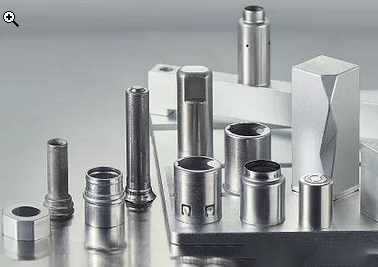
Key Properties and Benefits of Titanium Alloys
Titanium alloys stand out for a suite of superior properties that make them highly sought-after for critical applications:
- Exceptional Strength-to-Weight Ratio: Titanium parts rival the tensile strength of certain steels while weighing approximately half as much—only 40% heavier than aluminum and 40% lighter than steel—making them ideal for industries where weight reduction is paramount without compromising structural integrity.
- Superior Corrosion Resistance: Titanium forms a protective oxide layer when exposed to air, which can self-repair, enabling it to resist corrosion from seawater, chemicals, and harsh environments. This property makes it a top choice for marine, chemical processing, and offshore applications.
- Biocompatibility: Non-toxic and compatible with human tissue, titanium alloys promote osseointegration (the connection between bone and implants), making them widely used in medical and dental devices.
- High Temperature Resilience: With a high melting point, titanium maintains its strength and stability even in extreme temperature conditions, suitable for jet engines, rocket components, and high-heat industrial equipment.
- Recyclability: Titanium is fully recyclable, aligning with sustainable manufacturing practices while retaining its core properties.
Common Titanium Grades for CNC Machining
Titanium is available in nearly 40 ASTM grades, including commercially pure titanium (Grades 1–4) and titanium alloys (Grades 5 and higher), each tailored to specific applications:
- Grade 1 (Commercially Pure, Low Oxygen Content): Offers excellent corrosion resistance, high impact toughness, and easy machinability, though less strong than other grades. Applications include chemical processing, heat exchangers, desalination systems, automotive parts, airframes, and medical devices.
- Grade 2 (Commercially Pure, Standard Oxygen Content): Stronger than Grade 1 with high corrosion resistance, good ductility, formability, weldability, and machinability. Used in airframes, aircraft engines, hydrocarbon processing, marine equipment, medical devices, and chlorate manufacturing.
- Grade 3 (Commercially Pure, Medium Oxygen Content): More difficult to form than Grades 1 and 2 but boasts high strength and corrosion resistance with decent machinability. Common in aerospace, marine, and medical applications.
- Grade 4 (Commercially Pure, High Oxygen Content): The strongest among pure titanium grades, with excellent corrosion resistance. Requires high feed rates, slow speeds, and high coolant flow due to difficult machinability. Applications include cryogenic vessels, heat exchangers, hydraulics, airframes, surgical hardware, and marine equipment.
- Grade 5 (Ti6Al4V): The most widely used titanium alloy (accounting for about half of global titanium consumption), alloyed with 6% aluminum and 4% vanadium. Balances high corrosion resistance and excellent formability but has poor machinability. Ideal for airframe structures, aircraft engines, power generation, medical devices, marine/offshore equipment, and hydraulics.
- Grade 6 (Ti5Al-2.5Sn): Features good weldability, stability, and strength at high temperatures with intermediate strength for titanium alloys. Used in liquid gas/propellant containment for rockets, airframes, jet engines, and space vehicles.
- Grade 7 (Ti-0.15Pd): Often considered pure but contains small amounts of palladium, offering superior corrosion resistance, excellent weldability, and formability (though lower strength than other alloys). Applied in chemical processing and production equipment parts.
- Grade 11 (Ti-0.15Pd): Similar to Grade 7 with excellent corrosion resistance, ductility, and formability but even lower strength. Used in desalination, marine, and chlorate manufacturing applications.
- Grade 12 (Ti0.3Mo0.8Ni): Delivers high strength at high temperatures, great weldability, and corrosion resistance but is more expensive than other alloys. Suitable for hydrometallurgical applications, aircraft/marine components, and heat exchangers.
- Grade 23 (Ti6Al4V-ELI): Offers great formability, ductility, fair fracture toughness, and ideal biocompatibility but poor machinability. Commonly used in orthodontic appliances, orthopedic pins/screws, surgical staples, and orthopedic cables.

Challenges in CNC Machining of Titanium Alloys
Despite their advantages, titanium alloys pose unique challenges that demand specialized approaches:
- Low Thermal Conductivity: Titanium dissipates heat slowly, leading to localized heat buildup during machining. This not only accelerates tool wear but also risks workpiece distortion, machining hardening, and even fire hazards.
- Work Hardening Tendency: The material hardens rapidly when subjected to cutting forces, making subsequent cuts more difficult and increasing tool stress.
- Flexibility and Vibration: Titanium’s strength belies its flexibility, which can cause vibrations (chattering) during machining. This requires robust workholding systems and stable machining setups to maintain precision.
- Galling and Built-Up Edge (BUE): Titanium’s “gummy” nature, especially in commercially pure grades, causes it to adhere to cutting tools, forming BUE and galling. This impairs cutting performance, degrades tool life, and compromises surface finish.
- Tool Wear: Titanium’s hardness and abrasiveness lead to faster tool degradation, requiring durable tool materials and coatings.
Machining Processes, Tips and Techniques
To overcome these challenges and ensure high-quality results, the following best practices are essential:
Tool Selection and Coating
- Use cutting tools made of durable carbide or coated high-speed steel (HSS) with combinations of tungsten, carbon, and vanadium, which can maintain hardness up to 600℃.
- Opt for tool coatings designed for titanium machining, such as Titanium Aluminum Nitride (TiAlN), Aluminum Titanium Nitride (AlTiN Nano), or Titanium Carbo-Nitride (TiCN). These coatings form a protective oxide layer at high temperatures, reduce heat transfer, enhance lubricity, and prevent galling. HLW’s HVTI End Mill (optimized for High Efficiency Milling) and Aplus coating are excellent choices for improved tool life and performance.
Workholding and Stability
- Employ rigid, secure workholding systems to minimize workpiece deflection and vibration. Avoid interrupted cuts and keep the tool in constant motion during contact with the workpiece—dwelling in drilled holes or stopping near profiled walls causes excess heat and tool wear.
- Use a larger core-diameter end mill, minimize the overhang between the spindle nose and tooltip, and maintain consistent feeds and speeds to reduce chattering.
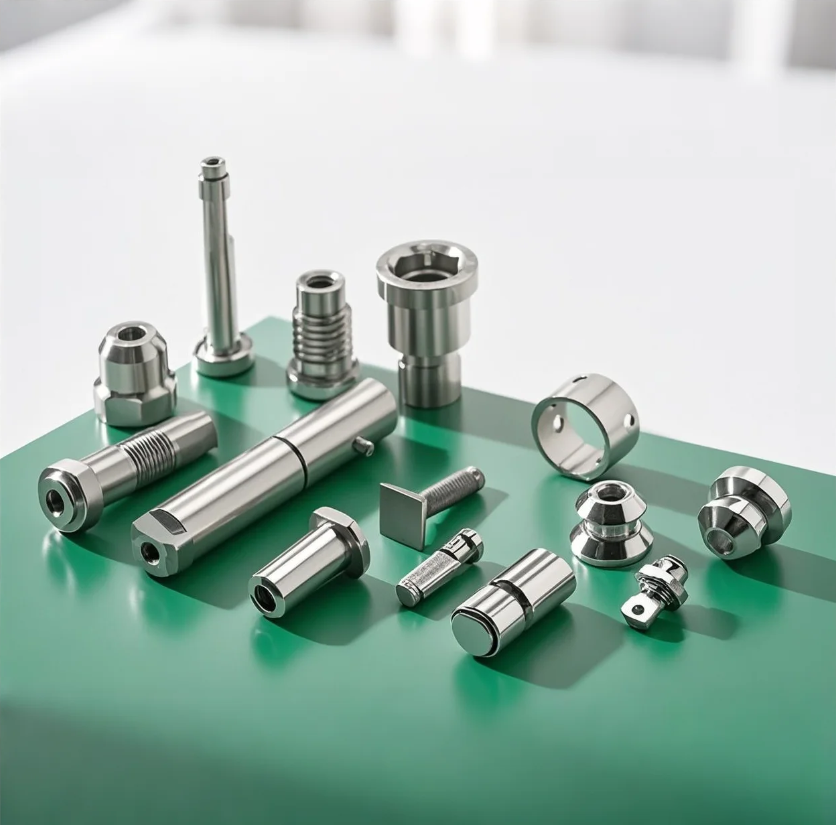
Cooling and Lubrication
- Utilize high-pressure, copious amounts of coolant with excellent lubricity and cooling properties (e.g., emulsion-based coolants) to dissipate heat, flush away chips, and prevent BUE and galling. Direct the coolant stream directly at the cutting surface for optimal 效果.
Machining Strategies and Parameters
- Adopt climb milling (instead of conventional milling) to reduce heat transfer to the workpiece. Climb milling produces chips that start thick and thin, promoting heat dissipation to chips and ensuring a cleaner shear.
- Use lower cutting speeds (typically 18–30 meters per minute / 60–100 feet per minute) paired with higher feed rates and larger chiploads to minimize heat buildup and work hardening. Adjust speeds based on the titanium grade, tooling, and machine rigidity.
- For entry and exit cuts, arc the tool gently into the material or use chamfers to gradually increase/decrease pressure, reducing tool shock and material tearing.
- Use smaller diameter tools to increase exposure to air and coolant, allowing the cutting edge to cool between cuts.
- Simplify complex geometries in part design (e.g., larger radii, uniform wall thickness, avoiding deep pockets) to streamline machining and reduce tool stress.
Part Design Considerations
- Use CAD/CAM software (e.g., paired with simulation tools like ANSYS) for precise part design and toolpath generation. Well-designed fixtures and jigs are critical to maintaining stability and accuracy.
- Incorporate Design for Manufacturability (DFM) principles—HLW provides DFM feedback (both AI-driven and human) to optimize part designs for efficiency, quality, and cost-effectiveness.
Applications of CNC-Machined Titanium Parts
CNC-machined titanium parts are integral to numerous high-demand industries:
- Aerospace: The primary consumer of titanium, used in aircraft seat components, shafts, turbine parts, valves, oxygen generation systems, airframes, and rocket components. Its low weight and high heat resistance enable fuel efficiency and performance at supersonic speeds.
- Medical and Dental: Biocompatible titanium alloys are used in hip/knee/elbow/shoulder joint replacements, bone/dental/cranial screws, spinal fixation rods, femoral head implants, orthopedic pins, surgical staples, and dental crowns/bridges/implants.
- Military and Defense: Applied in military aerospace, missiles, artillery, submarines, ground vehicles (for ballistic resistance), and naval equipment.
- Marine/Naval: Suitable for seawater desalination propeller shafts, subsea resource extraction equipment, rigging, underwater robotics, marine heat exchangers, propellers, and piping systems—leveraging its corrosion resistance and lightweight properties.
- Automotive: Used to reduce weight and fuel consumption, with applications in valves, valve springs, engine piston pins, retainers, and brake caliper pistons.
- Consumer Goods: Featured in sporting equipment (golf clubs, bike frames, baseball bats, tennis rackets, camping gear) and jewelry (watches, eyeglass frames, wedding bands, necklaces) due to its lightweight and attractive appearance.
- Chemical Processing: Employed in heat exchangers, desalination systems, and production equipment parts for its corrosion resistance.
Surface Finishing Options
Surface finishing enhances the functionality, durability, and aesthetics of CNC-machined titanium parts:
- Anodizing: A common choice that increases corrosion resistance, minimizes weight gain, reduces friction, and improves appearance.
- Mechanical Finishes: Polishing, bead blasting, and brushing to reduce surface roughness and achieve desired textures.
- Coatings: PVD coating, powder coating, chroming, and electrophoresis for enhanced protection and performance.
- Other Treatments: Painting for aesthetic customization. HLW offers up to 6 post-processing options, including bead blasting, powder coating, smooth machining, and polishing.
Economic Considerations
Titanium’s higher cost (due to rigorous quality standards and growing demand) requires strategic cost optimization:
- Compare titanium prices with alternatives (e.g., steel, aluminum) for non-critical applications.
- Optimize tool life, machining time, and material usage to reduce waste.
- Track and minimize costs related to tooling, coolant, labor, energy, and waste management.
- Leverage titanium’s longevity and durability for long-term cost savings. HLW’s network of over 1,600 milling and turning machines ensures competitive pricing and efficient production for both low-volume and complex orders.
Safety Precautions and Industry Standards
Safety Practices
- Wear personal protective equipment (PPE) to mitigate risks from flying debris, coolant, and fire hazards.
- Follow proper handling and storage procedures for titanium materials, coolants, and chips.
- Implement fire prevention measures and emergency response plans, as excess heat can pose fire risks.
- Perform regular machine maintenance and train operators on safe machining practices.
- Dispose of titanium chips, coolant, and waste properly to ensure workplace safety and environmental compliance.
Industry Standards and Certifications
To ensure quality and reliability, CNC machining of titanium adheres to strict industry standards and certifications:
- ASTM Standards: ASTM B265 (titanium strip/sheet/plate), ASTM F136 (surgical implant Ti6Al4V ELI), ASTM F1472 (surgical implant Ti6Al4V).
- ISO Standards: ISO 5832-2 (unalloyed titanium implants), ISO 5832-3 (Ti6Al4V alloy implants), ISO 9001 (quality management systems), ISO 13485 (medical device quality management).
- SAE Standards: SAE AMS 4911 (annealed Ti6Al4V sheet/strip/plate).
- Certifications: AS9100 (aviation/space/defense quality management) is critical for aerospace components.
HLW’s CNC Machining Services for Titanium Alloys
HLW offers comprehensive CNC machining services for titanium alloys, leveraging state-of-the-art equipment (3-axis and 5-axis CNC milling, turning, drilling, boring) and expertise to deliver high-quality parts with fast turnaround times (typically under 10 days). Our capabilities include:
- Custom machining of titanium Grades 1–5, 7, 11, 12, 23, and other alloys.
- DFM feedback (instant AI and human) to optimize part designs for manufacturability, cost, and quality.
- A range of surface finishing options to meet functional and aesthetic requirements.
- Compliance with industry standards (ASTM, ISO, SAE) and certifications (ISO 9001, AS9100, ISO 13485) for critical applications.
- Competitive pricing and flexible production capacity to accommodate low-volume orders and complex geometries with tight tolerances (±0.125mm / ±0.005″).
To get started, upload your CAD (.STL) file to HLW’s platform for an instant quote. For inquiries, contact us at 18664342076 or info@helanwangsf.com. HLW is committed to helping you navigate the challenges of titanium CNC machining and delivering exceptional results for your most demanding projects.