High Precision Machined Components: Definition, Manufacturing, Applications, and Advancements
In the modern manufacturing landscape, high precision machined components stand as indispensable pillars, driving the performance, reliability, and safety of products across diverse industries. These specialized parts are crafted with extreme accuracy and consistency, leveraging advanced technologies and rigorous quality control to meet stringent specifications where even minute deviations can lead to catastrophic consequences. From aerospace engines to life-saving medical devices, high precision machined components are the backbone of innovation and operational excellence.
What Are High Precision Machined Components?
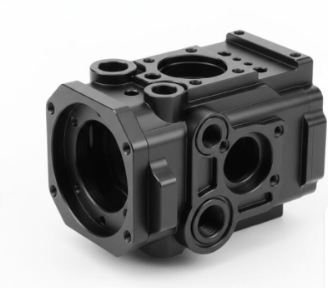
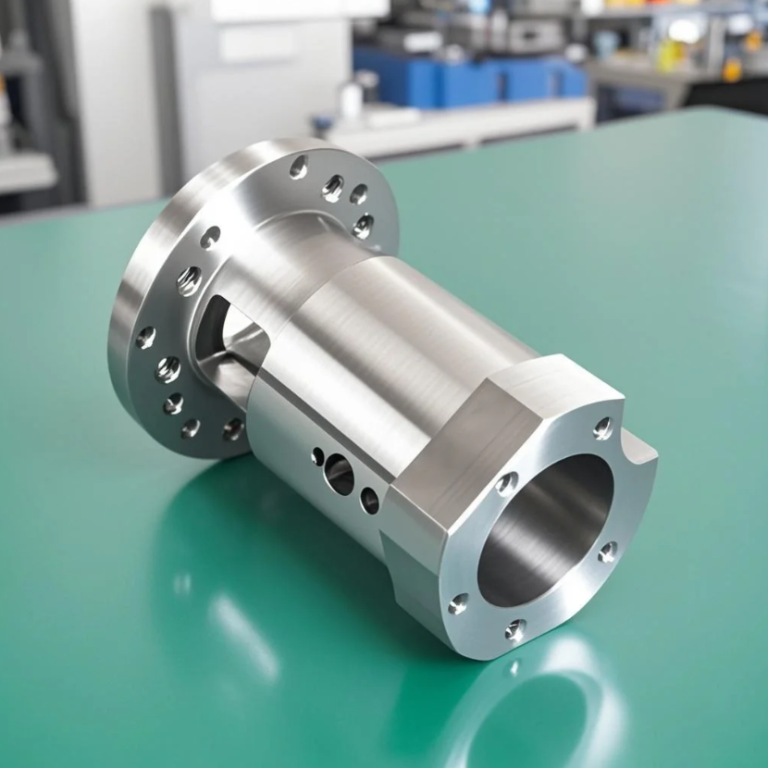
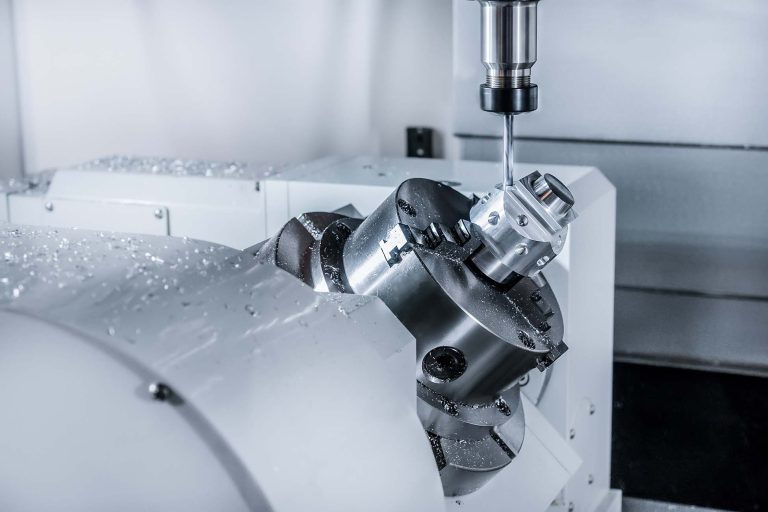
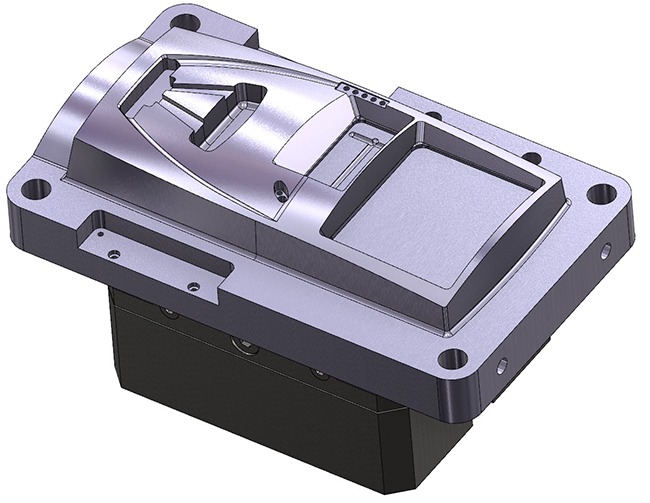
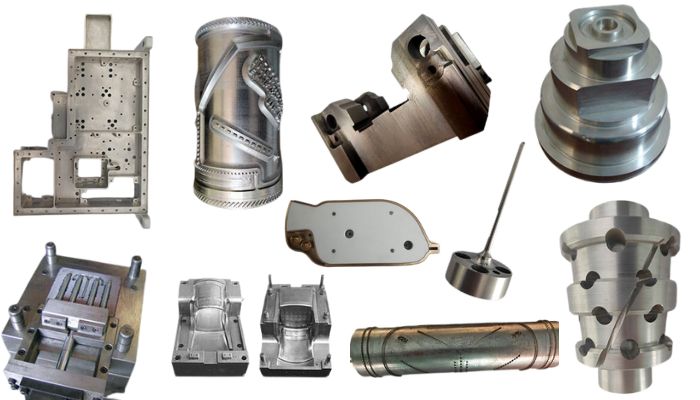
High precision machined components refer to specialized parts manufactured through advanced techniques such as Computer Numerical Control (CNC) machining, milling, turning, grinding, and Electrical Discharge Machining (EDM). Distinguished by their exceptional accuracy (closeness to target dimensions) and precision (consistency across bulk production), these components adhere to tight tolerances—ranging from as tight as ±0.0001 inches to 4 microns—ensuring seamless integration into complex systems. Unlike conventional machined parts, they require minimal manual intervention, relying on computer-aided design (CAD) and computer-aided manufacturing (CAM) software to translate intricate designs into physical components with negligible errors. Common examples include gears, bearings, shafts, valves, connectors, surgical instruments, and aerospace engine parts, each tailored to fulfill critical functional roles.
Why High Precision Machined Components Matter
The significance of high precision machined components in manufacturing cannot be overstated, with key benefits spanning performance, durability, and cost-effectiveness:
- Uncompromising Accuracy and Safety: In industries like aerospace, medical technology, and defense, precision directly correlates to safety. These components meet strict tolerance requirements to ensure aircraft engines operate reliably, surgical tools perform with pinpoint precision, and electronic systems function without failure.
- Enhanced Performance and Longevity: Precisely crafted components fit seamlessly, reducing friction, wear, and tear on assembled systems. This translates to improved operational efficiency, fewer maintenance needs, and extended product lifecycles—critical for industrial machinery, automotive transmissions, and power generation equipment.
- Cost-Efficiency in the Long Run: While the upfront investment in precision machining may be higher, the reduction in waste (minimized raw material wastage due to low error rates), rework, and downtime leads to substantial long-term savings. Manufacturers avoid costly recalls and replacements by ensuring consistent quality across production runs.
- Support for Complex Designs: High precision machining enables the production of parts with intricate geometries, freeform surfaces, and minimal installation footprints—essential for compact electronic devices, semiconductor equipment, and miniaturized medical implants.
Manufacturing Process and Core Capabilities
The production of high precision machined components is a systematic process that combines advanced technology, skilled expertise, and robust quality management:
1. Design and Prototyping
The process begins with detailed CAD design, where engineers create 3D models of the component. Prototypes are then developed to validate design feasibility, test functionality, and refine specifications before full-scale production. HLW offers rapid prototyping services, allowing clients to test end-use materials and adjust designs early in the development cycle.
2. Material Selection
Material choice is critical to component performance, with manufacturers selecting materials based on application requirements such as strength, corrosion resistance, biocompatibility, and thermal stability. Common materials include:
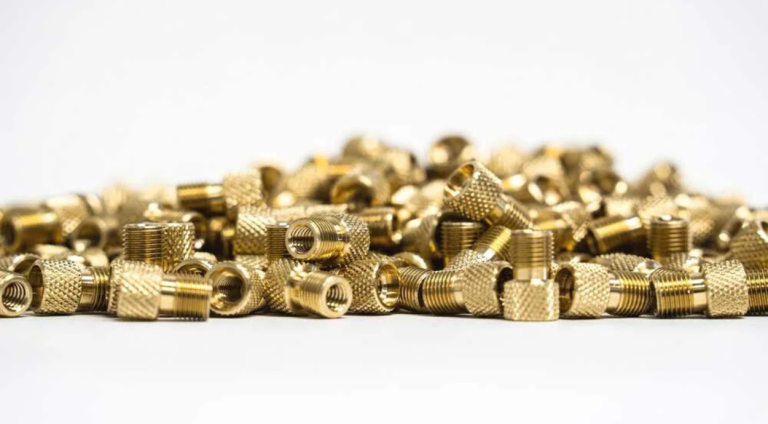
- Metals: Stainless steel (303, 304, 316, 17-4 PH), aluminum alloys (5052, 6061-T6, 7075-T6), titanium, alloy steel (4140, 4340), brass (CDA 360/385), and nickel alloys.
- Non-Metals: Delrin, PEEK, ABS, acrylic, Teflon (PTFE), and graphite.
- Specialized Materials: Beryllium copper, nitinol, Inconel 718, and magnesium (for high-tech industries like aerospace and medical).
3. Machining and Processing
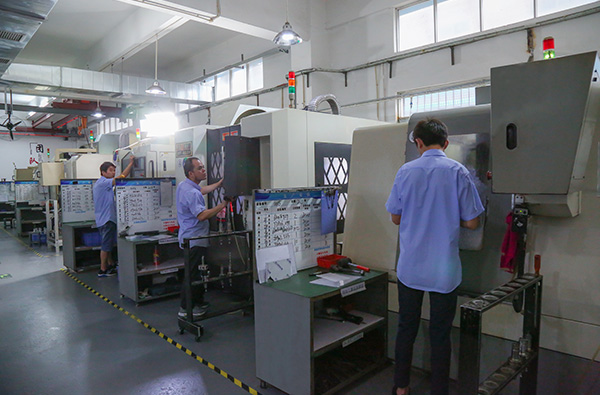
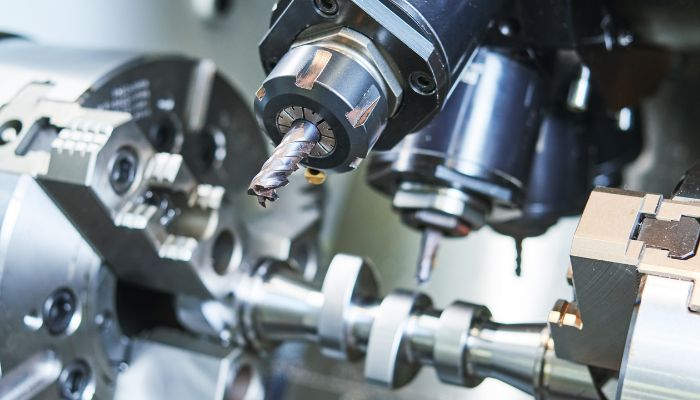
HLW utilizes state-of-the-art CNC equipment, including 3-axis, 4-axis, and 5-axis machining centers, CNC lathes, live tool-equipped turning centers, and EDM systems. These machines offer key capabilities:
- Tight Tolerances: Achieving tolerances as low as ±0.0001 inches (5-axis high-precision milling) and surface roughness as fine as Ra < 0.01.
- Multi-Axis Machining: Reducing re-fixturing needs to minimize errors, enabling complex cuts and geometries.
- Advanced Processes: Supporting deburring, honing, hard turning, OD grinding, heat treatment, anodizing, plating, and vibratory finishing to enhance component performance and durability.
4. Quality Control and Traceability
Stringent quality control is non-negotiable in precision machining. HLW implements ISO 9001, AS9100, and ISO 14001 certified quality management systems, featuring:
- Calibrated measurement tools (3D coordinate measuring machines, optical test equipment) and techniques like Gage Repeatability and Reproducibility (GR&R).
- Climate-controlled, vibration-optimized facilities to prevent environmental interference with precision.
- Full material traceability, with each component labeled for end-to-end tracking from raw material sourcing to delivery.
Key Applications Across Industries
High precision machined components are integral to a wide range of sectors, where performance and reliability are paramount:
- Aerospace and Defense: Engine components, APU parts, flight control systems, satellite hardware, and military equipment—all requiring adherence to AS9100 standards and extreme environmental resilience.
- Medical Technology: Surgical instruments, implantable hardware (screws, plates), diagnostic machine components, and tissue transport systems. Materials like titanium and biocompatible stainless steel ensure compatibility with the human body.
- Automotive: Engine parts, transmission components, brakes, and electrical connectors—enhancing vehicle safety, fuel efficiency, and durability.
- Electronics and Semiconductors: Circuit connectors, sensor components, semiconductor equipment fixtures, and telecom heat sinks—supporting miniaturization and high-performance computing.
- Industrial and Energy: Hydraulic valves, wind turbine gear housings, oil and gas downhole tooling, and power generation components—designed to withstand harsh operating conditions.
Technological Advancements Shaping the Future
The precision machining industry is evolving rapidly, driven by innovations in tooling, automation, and data analytics:
- Advanced Tooling: Nanocomposite coatings (e.g., TiAlN) and physical vapor deposition (PVD) techniques improve tool wear resistance, hardness, and cutting efficiency—extending tool life and maintaining precision for high-volume production.
- Automation and AI: Robotics streamline CNC machine tending, reducing labor costs and human error. AI-powered software optimizes tool paths, predicts maintenance needs, and adjusts machining parameters in real-time to compensate for vibration or thermal deformation.
- IoT and Connectivity: IoT-enabled machine monitoring collects operational data, which is analyzed by machine learning algorithms to enhance efficiency, minimize downtime, and ensure consistent quality.
- Multi-Functional Processes: Hybrid machining (combining CNC milling, turning, and EDM) and 5-axis simultaneous machining enable the production of complex parts in a single setup, reducing lead times by up to 40% compared to industry averages.
Choosing a Reliable Manufacturer: HLW’s Commitment
Selecting the right precision machining partner is critical to achieving product excellence. HLW stands out as a leading one-stop provider, offering:
- Decades of Expertise: With extensive experience serving aerospace, medical, automotive, and electronics industries, HLW understands sector-specific requirements and compliance standards.
- Cutting-Edge Technology: State-of-the-art CNC equipment, climate-controlled facilities, and advanced quality control tools ensure consistent precision and reliability.
- Customization and Flexibility: From low-volume prototypes to high-volume production runs, HLW tailors solutions to meet unique client specifications, including specialized materials and complex geometries.
- Global Reach and Local Support: Headquartered in the United States (with facilities in Portland, Oregon, and Chester Springs, Pennsylvania), HLW offers prompt service, global sourcing capabilities, and a hybrid model combining domestic support with international production efficiency.
For inquiries or to request a quote, contact HLW at 18664342076 or via email at info@helanwangsf.com. Whether you need ultra-precision medical components, aerospace-grade parts, or custom electronic connectors, HLW delivers high-quality, precise solutions that drive your success.