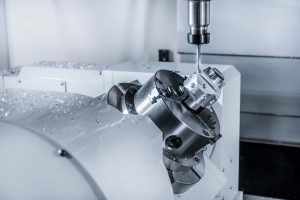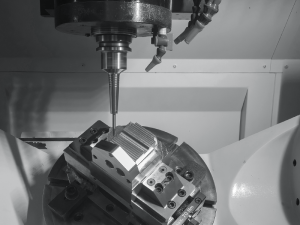
Precision brass parts machining has emerged as a cornerstone of modern manufacturing, valued for its exceptional adaptability, reliability, and performance across diverse industries. Brass, a primary alloy of copper and zinc, exhibits inherent properties that make it ideal for machining, with further enhancements achievable through the addition of elements like lead, tin, manganese, or aluminum. This article explores the core characteristics, machining capabilities, applications, and the comprehensive services offered by HLW, a trusted provider of precision brass machining solutions.
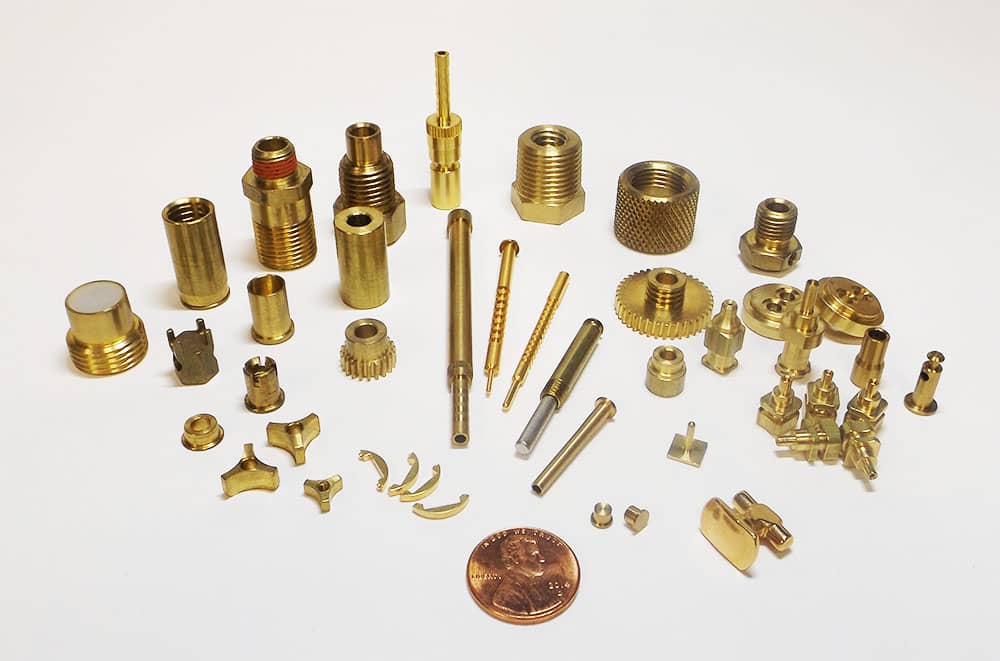
Core Properties of Brass: The Foundation of Machinability
Brass stands out among machining materials due to its unique combination of functional and processing advantages. Its inherent softness—softer than most metals—enables efficient cutting, shaping, and forming with minimal tool wear, supporting high-speed machining without chipping or compromising surface finish. Key properties include excellent corrosion resistance, particularly against water, saline solutions, mild acids, and moisture, making it suitable for harsh or humid environments. Brass also boasts high electrical and thermal conductivity, low friction coefficient, dimensional stability under stress, and a low thermal expansion rate, ensuring parts retain their form and function across a wide temperature range. Additionally, brass offers aesthetic appeal with a rich, gold-like appearance that can be polished, coated, or finished to enhance visual and functional performance. When small amounts of lead are added, brass’s machinability and workability are significantly improved, solidifying its status as one of the most versatile machining materials available.
Advantages of Precision Brass Machining
Precision brass machining delivers multifaceted benefits that drive its widespread adoption in industrial production:
- Cost Efficiency: Brass is more affordable than many dense metals and reduces manufacturing costs through faster cycle times, minimal tool wear, and lower downtime. Its recyclability further enhances cost-effectiveness and sustainability.
- Versatile Machinability: Brass is compatible with a full spectrum of CNC machining processes, including CNC turning (for cylindrical parts like threaded rods and bushings), CNC milling (for complex 2D/3D geometries), Swiss screw machining (for precision components with tight tolerances), drilling, tapping, EDM (for intricate designs), and waterjet cutting (for clean 2D sheet metal parts). It also supports secondary operations such as bending, grinding, knurling, and deburring.
- Functional Superiority: Beyond machinability, brass offers antibacterial properties, high workpiece-to-tool compatibility, and strong durability—all while maintaining a lightweight profile. Its low friction coefficient enhances high-speed operational capabilities and reduces wear in mechanical assemblies.
- Aesthetic and Protective Finishes: Machined brass parts can undergo various surface treatments, including polishing (for a mirror-like shine), satin brushing, bead blasting (for a matte finish), anodizing (for a protective oxide layer), and electroplating (with nickel, chrome, or gold) to improve corrosion resistance and visual appeal. Antique patina finishes are also available for vintage-style applications.
Common Brass Alloys and Their Applications
Different brass alloys are tailored to specific industrial needs, with key grades including:
- C36000 (Free Cutting Brass): Boasting a machinability rating of 100 (serving as the industry reference), it is ideal for precision components like fluid connectors, threaded inserts, and hose barbs.
- C26000 (Cartridge Brass): Offers excellent cold working and deep drawing capabilities, suitable for radiator cores, ammunition cases, electrical components, and plumbing parts.
- C932 (Bearing Bronze): Known for superior wear resistance, it is widely used in bushings and bearings.
- C46400: Delivers exceptional durability under corrosion, rust, and high pressure, making it suitable for marine parts.
- Red Brass (C23000): Exhibits excellent seawater corrosion resistance, ideal for valves, gears, statues, and steam castings.
- Low-Lead and Lead-Free Brass: Meets sustainability and safety standards, used in applications like plumbing fixtures, pump components, and medical devices.
Industrial Applications: From Plumbing to Aerospace
Precision brass parts are integral to numerous industries, addressing critical functional and aesthetic needs:
- Plumbing & HVAC: Fittings, valves, pipe connectors, manifolds, and pressure control components—valued for corrosion resistance and leak-proof sealing.
- Automotive & Aerospace: Sensor housings, fuel system connectors, radiator cores, bushings, aircraft fittings, and vibration-resistant terminals, leveraging brass’s durability and dimensional stability.
- Electronics: Connectors, terminals, RF components, enclosures, and threaded inserts, benefiting from high electrical conductivity and precision machining capabilities.
- Medical & Dental: Needle guides, medical instruments, dental tools, and fluid control valves (where biocompatibility is required), supported by brass’s sterility and corrosion resistance.
- Consumer Products: Decorative trims, door handles, knobs, hinges, jewelry, musical instruments, and lighting components—combining functionality with aesthetic appeal.
- Other Industries: Marine (shafts, propellers, fasteners), oil and gas, military, and construction, where brass’s non-sparking property (critical for explosive environments) and durability are essential.
HLW: Your Trusted Partner for Precision Brass Machining
HLW brings decades of experience to precision brass machining, offering comprehensive solutions tailored to prototype, small-batch, and high-volume production needs (up to millions of parts weekly). With ISO 9001:2015 and AS9100D certifications, ITAR registration, and advanced inspection equipment (including Keyence and Oasis software), HLW adheres to strict quality standards and delivers parts with tolerances as tight as +/- 0.005 inches.
Key Capabilities
HLW’s machining portfolio includes:
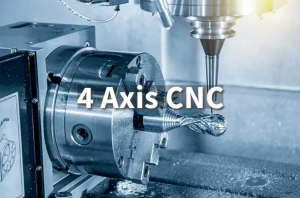
- Multi-axis CNC turning and milling, Swiss screw machining, multi-spindle machining, and automated bar machining (supporting parts from 1/16″ to 2 5/8” in diameter).
- Custom part manufacturing, including pipe fittings, bearings, valves, gears, fasteners, connectors, bushings, and decorative components.
- Value-added services: Assembly, cleaning, engineering support, surface finishing (polishing, plating, anodizing), and design optimization to enhance manufacturability, reduce material waste, and shorten lead times.
Customer-Centric Support
HLW prioritizes supply reliability through flexible stocking plans, KanBan systems, and consignment programs, with backup inventories to address production demand fluctuations. The company offers fast response times, industry-leading turnaround times (5–22 days for standard orders), and a no-minimum order quantity policy, complemented by free shipping within the USA for eligible orders. Customers can design parts using HLW’s free CAD software, upload custom CAD files for quick quotes, or request personalized support via phone or email.
Contact HLW for Your Precision Brass Machining Needs
Whether you require prototype development, high-volume production, or custom-engineered brass components, HLW combines technical expertise, advanced equipment, and a commitment to quality to deliver tailored solutions. For more information or to request a quote, call 18664342076 or email info@helanwangsf.com. Trust HLW to turn your design concepts into high-performance, durable brass parts that meet the most demanding industrial standards.