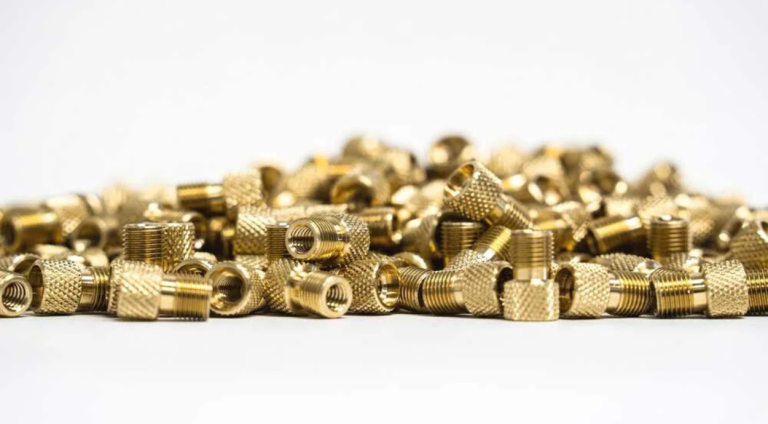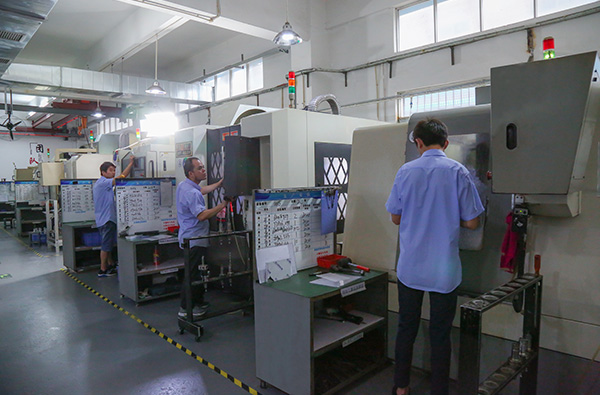
Maquinação CNC de moldes: Precisão, inovação e excelência industrial
In the modern manufacturing landscape, Maquinação CNC de moldes stands as a cornerstone technology, powering the production of intricate, high-quality components across automotive, aerospace, medical, consumer goods, and countless other industries. From plastic injection molds to complex tooling for precision parts, CNC machining has redefined what’s possible in mold making—delivering unrivaled accuracy, efficiency, and design flexibility that traditional manual machining simply cannot match. This comprehensive guide explores the role of CNC machining in mold production, the transformative impact of multi-axis technology, key considerations for selecting the right CNC equipment, and how cutting-edge solutions are shaping the future of the mold-making industry.
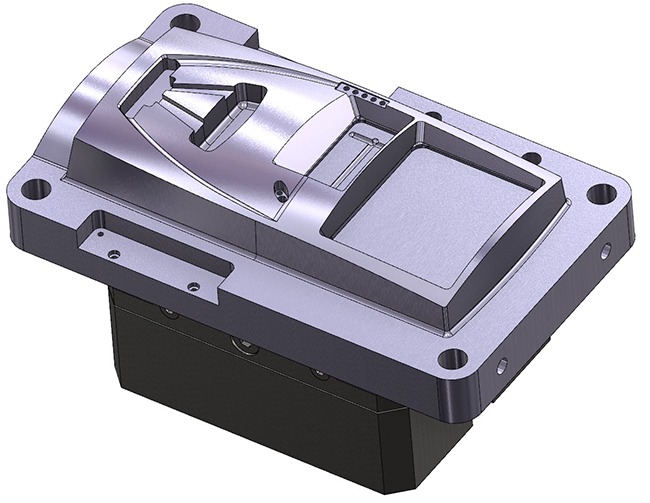
The Fundamentals of CNC Machining for Mold Making
At its core, CNC (Computer Numerical Control) machining is an automated manufacturing process that uses pre-programmed CAD (Computer-Aided Design) files to guide the movement of machine tools. These digital blueprints are translated into machine-readable G-code, which dictates every cut, drill, and shaping action—eliminating human error and ensuring consistent, repeatable results. For mold making, this precision is non-negotiable: even the smallest imperfection in a mold can lead to costly defects in the final product, compromised performance, or shortened mold lifespans.
CNC machining excels in mold production by turning raw materials—typically tool steel, stainless steel, and aluminum (for low-volume applications)—into intricate molds with micron-level accuracy. Unlike manual machining, it effortlessly creates complex geometries, undercuts, and fine surface details that are essential for modern mold designs. It also streamlines the prototyping process, allowing designers to refine concepts quickly, reduce time-to-market, and optimize material usage—minimizing waste and cutting production costs significantly. For businesses seeking reliable mold-making solutions, HLW offers end-to-end CNC machining services, with expert support available at +86 18664342076 or info@helanwangsf.com.
5-Axis Machining: A Game-Changer for Mold Manufacturing
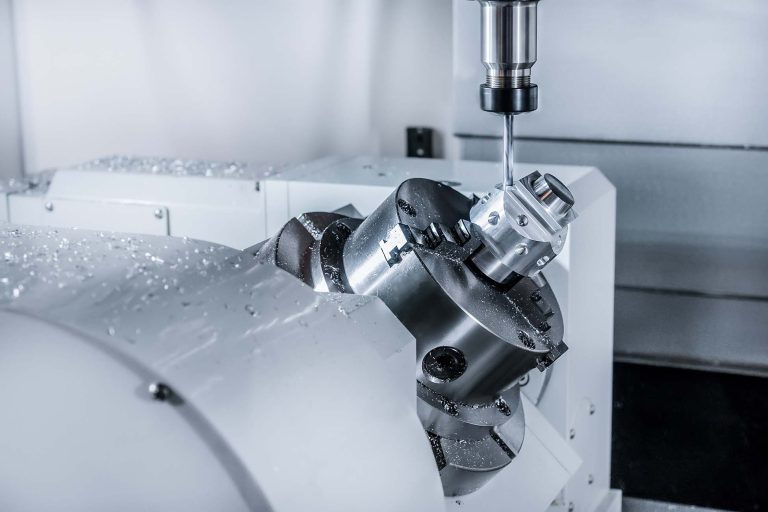
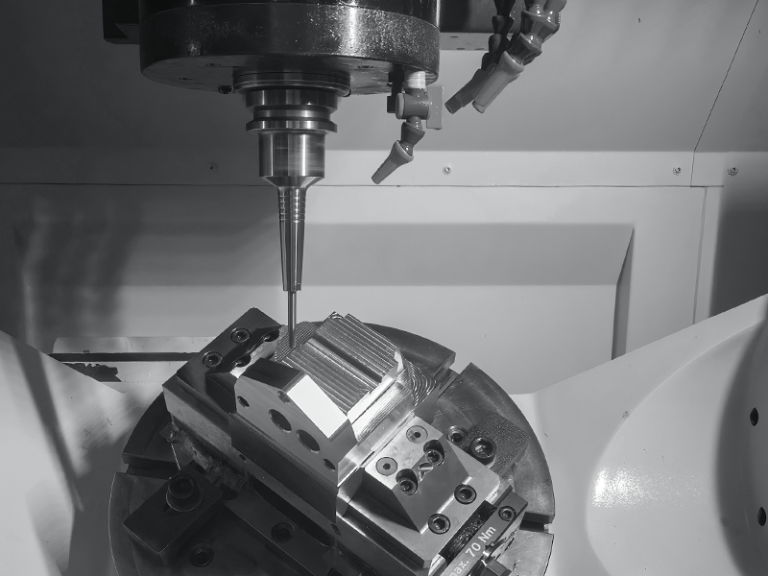
While 3-axis CNC machines remain a staple for basic mold-making tasks, 5-axis machining has emerged as the revolutionary technology for tackling the industry’s most complex challenges. A 5-axis CNC machine moves in five distinct directions, with two additional rotational axes that enable it to approach workpieces from virtually any angle. This flexibility eliminates the need for multiple setups, drastically reducing production time and improving overall accuracy—critical for high-demand manufacturing environments.
Key Benefits of 5-Axis Machining in Mold Making
- Enhanced Precision & Accuracy: 5-axis machines craft complex mold shapes with exceptional tight tolerances, ensuring molds are reliable and produce consistent, high-quality parts across thousands or millions of production cycles.
- Boosted Productivity & Efficiency: By machining complex angles and contours in a single setup, 5-axis technology cuts down on machining and setup time, helping manufacturers meet tight deadlines and scale production efficiently.
- Unmatched Design Flexibility: Engineers gain the freedom to experiment with innovative, intricate mold designs—opening new possibilities for product development in industries like medical device manufacturing (FDA-compliant molds) and aerospace (high-precision tooling).
- Reduced Tooling Costs: The versatility of 5-axis machines minimizes the need for specialized tools, optimizing resource usage and lowering overall operational costs for mold makers.
- Superior Surface Finishes: Precise cutting angles and continuous tool contact result in smooth, high-quality surface finishes that enhance both the functionality and aesthetic appeal of molds, meeting the strictest industry standards.
5-axis CNC machines from HLW are engineered to address the most pressing industry pain points, from complex mold design requirements to tight budget and time constraints. Whether for lightweight automotive component molds, aerospace-grade tooling, or intricate medical implants, 5-axis machining delivers the precision and efficiency modern mold making demands.
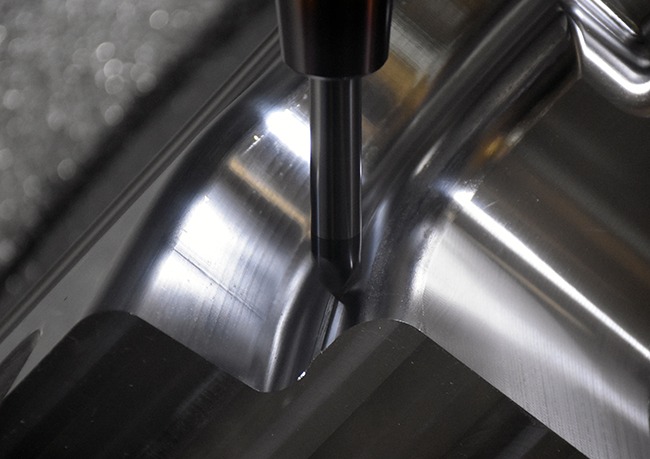
Critical Factors for Choosing a CNC Machine for Mold Making
Selecting the right CNC machine is pivotal to successful mold production—each component of the machine impacts the final mold’s quality, durability, and production efficiency. When evaluating CNC equipment for mold making, manufacturers must prioritize the following key factors:
1. Precision and Accuracy
Mold making requires machining to tolerances of just a few microns. A high-quality CNC machine replicates intricate design details with absolute consistency, ensuring mold halves align perfectly and produce defect-free parts. This precision also reduces the need for manual adjustments and rework, streamlining production workflows.
2. Machine Rigidity
Rigidity refers to a machine’s ability to resist deflection or vibration during high-speed cutting and heavy material removal—essential for machining hard materials like hardened steel. A rigid CNC machine maintains dimensional stability throughout the machining process, preventing distortion and ensuring a superior surface finish. HLW’s CNC machines feature robust construction for maximum rigidity, even in the most demanding mold-making operations.
3. Spindle Power and Speed
The spindle is the heart of a CNC machine, and its power and speed directly impact machining performance. High spindle power enables efficient removal of tough mold-making materials, while adjustable speeds (15,000–40,000 RPM for finishing) optimize cutting parameters for different materials and tooling. This results in faster cycle times, longer tool life, and finer surface finishes—including mirror-like finishes for high-precision molds.
4. Axis Configuration
3-axis machines work for simple mold designs, but 4-axis and 5-axis configurations are indispensable for complex molds with undercuts, intricate contours, or multi-angle features. Multi-axis machines eliminate repositioning, reduce setup time, and unlock greater design freedom for mold engineers.
5. Tool Changer and Capacity
Automatic tool changers streamline workflows by minimizing downtime for manual tool swaps, a critical feature for mold making—where multiple tools are needed for roughing, finishing, and detailing. Ample tool capacity ensures a wide range of tooling is always available, adding flexibility for diverse mold designs.
6. Control System and Software Compatibility
A user-friendly, sophisticated control system simplifies programming complex toolpaths, while seamless compatibility with industry-standard CAD/CAM software ensures accurate translation of digital mold designs into physical parts. HLW’s CNC machines integrate with leading CAD/CAM tools, reducing programming errors and accelerating the design-to-production process.
7. Thermal Stability and Cooling
Temperature fluctuations can distort machining cuts and compromise mold precision. Top-tier CNC machines feature thermal stability design to maintain a consistent temperature during continuous use, paired with efficient coolant and chip removal systems that extend tool life and keep cutting processes consistent.
8. Workpiece Size and Capacity
A machine’s work envelope and load capacity determine the size of molds it can produce—from small, intricate medical molds to large-format tooling for automotive bumpers and dashboards. HLW offers CNC machines with a range of workpiece capacities, ensuring manufacturers can produce molds of any size without sacrificing accuracy or stability.
Common CNC Machine Types for Mold Making
Mold production leverages a variety of CNC machine types, each designed for specific tasks and mold designs. The most widely used machines include:
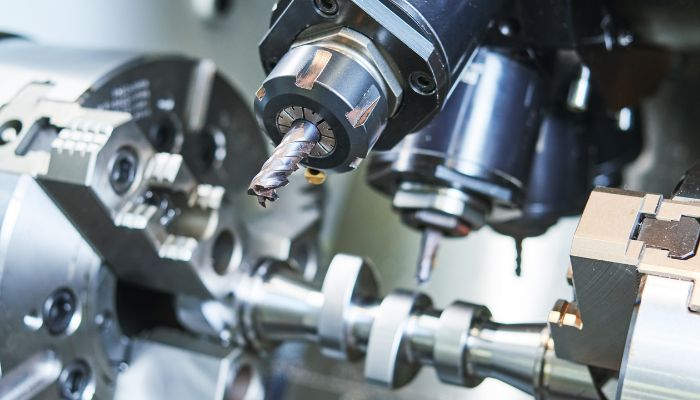
- Fresagem CNC Machines (Multi-Axis): The workhorse of mold making, multi-axis CNC mills handle roughing, 3D modeling, and finishing of mold components—delivering the precision needed for complex geometries.
- CNC EDM (Electrical Discharge Machining): Ideal for machining sharp internal corners, narrow slots, and details that milling tools cannot reach. EDM is a critical complement to milling for high-precision mold features.
- High-Speed Machining Centers: Engineered for micro-finishing and high spindle RPM, these machines create tight corner radiuses, fine surface details, and mirror-like finishes for premium molds.
- CNC Gantry Machines: Designed for large-format mold production, such as automotive body parts and industrial tooling, gantry machines offer a spacious work envelope and heavy load capacity.
CNC Machining for Plastic Injection Molds
Plastic injection molding is the most common application for CNC-machined molds, powering the mass production of plastic parts for household goods, consumer electronics, automotive components, and more. Injection molds demand extreme precision to ensure consistent part quality across millions of injection cycles—something only CNC machining can deliver.
CNC machining shapes injection molds from tool steel or stainless steel (for high-volume production) or aluminum (a cost-effective alternative for small batches). These molds must withstand intense heat and pressure, and CNC machining ensures they maintain their exact dimensions and contours over time. Additionally, CNC machining is occasionally used for post-processing injection-molded parts, removing parting lines, gate marks, and ejector pin divots to enhance surface finish and aesthetic appeal.
HLW’s CAD/CAM software solutions for injection mold making include advanced wire EDM toolpaths, intuitive geometry design/editing, and simplified 4/5-axis programming—all designed to cut bench time and streamline the entire mold-making process. For businesses specializing in plastic injection molding, HLW’s CNC machining services deliver molds that meet the highest industry standards, with support available at +86 18664342076 or info@helanwangsf.com.
Why HLW Is the Partner of Choice for CNC Mold Machining
When it comes to CNC machining of molds, manufacturers need a partner that combines cutting-edge technology, engineering expertise, and a commitment to quality. HLW stands out as a leader in the industry, offering a comprehensive range of CNC mold-making solutions designed to meet the unique needs of every sector—from automotive and aerospace to medical and consumer goods.
HLW’s CNC machines and services deliver:
- Unparalleled Precision: Surgical-level accuracy for micron-tight tolerances and intricate mold details.
- Speed and Efficiency: Rapid traverse rates, quick tool changes, and multi-axis technology reduce cycle times and boost productivity.
- Versatilidade: Machining capabilities for all mold-making materials, including steel, aluminum, and exotic alloys like titanium.
- Superior Surface Finishes: High-speed spindles and advanced machining strategies create flawless surface quality, eliminating the need for excessive post-processing.
- Seamless Integration: User-friendly controls and full compatibility with leading CAD/CAM software, making programming and production intuitive for all skill levels.
- Customized Solutions: A range of CNC machines—from compact precision prototyping models to large-format gantry machines—paired with tailored machining services to fit any project size or budget.
The Future of CNC Machining in Mold Making
CNC machining of molds continues to evolve, with advancements in multi-axis technology, AI-driven programming, and high-speed machining pushing the boundaries of precision and efficiency. As industries demand more complex, customized, and high-quality components, the role of CNC machining in mold making will only grow—making it an indispensable investment for manufacturers looking to stay competitive in a fast-moving global market.
Whether you’re producing small, intricate medical molds or large-scale automotive tooling, CNC machining delivers the accuracy, consistency, and flexibility needed to create molds that drive production success. With HLW’s industry-leading CNC machines and expert machining services, manufacturers can elevate their mold-making capabilities, reduce costs, and bring innovative products to market faster than ever before.
Contact HLW Today
Ready to transform your mold-making process with high-precision CNC machining? Contact HLW’s team of experts to learn more about our CNC machines, customized machining services, and end-to-end mold-making solutions. Reach us at +86 18664342076 ou envie as suas questões por correio eletrónico para info@helanwangsf.com—we’re here to help you build the molds that power your production.