
Stainless steel precision CNC machining stands as a cornerstone of modern manufacturing, delivering high-accuracy, durable components tailored to meet the stringent demands of diverse industries. At its core, stainless steel is an alloy primarily composed of iron, carbon, and a minimum of 10.5% chromium, often enhanced with elements like nickel, molybdenum, and sulfur to boost specific properties such as corrosion resistance, machinability, and strength. This unique composition endows stainless steel with a suite of advantages—including exceptional durability, resistance to rust and chemicals, high temperature tolerance, biocompatibility, and low maintenance requirements—making it an indispensable material for precision CNC machining applications.
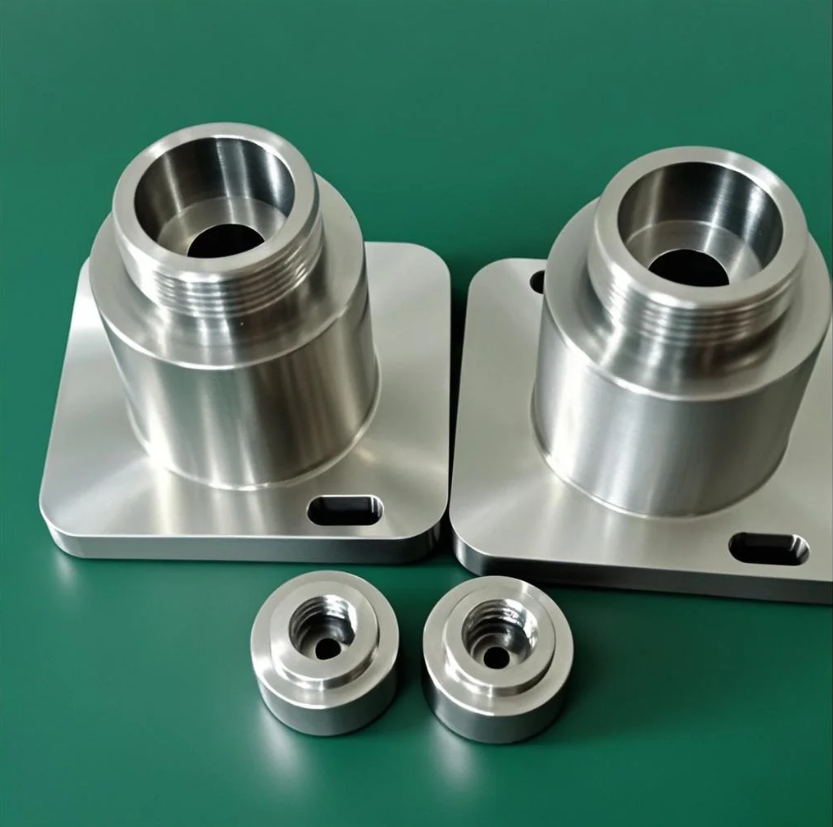
Key Characteristics and Common Stainless Steel Grades
Stainless steel grades vary significantly in composition and performance, enabling customization to suit specific machining needs. The most widely used grades fall into several categories:
Austenitic Stainless Steels
Represented by the 300 series, these grades (e.g., 303, 304, 304L, 316, 316L) are celebrated for their excellent corrosion resistance, formability, and weldability. 303, enhanced with sulfur, offers superior machinability among the 300 series, making it ideal for precision components like gears, shafts, screws, and nuts. 304, the most versatile grade, balances cost-effectiveness with strong corrosion resistance, finding extensive use in chemical processing, food equipment, and architectural applications. 316 and its low-carbon variant 316L incorporate molybdenum, elevating their resistance to aggressive environments—perfect for marine fittings, pharmaceutical machinery, and chemical tanks.
Martensitic Stainless Steels
The 400 series (e.g., 410, 416, 420, 430, 440C) is known for high strength, hardness, and wear resistance, often requiring heat treatment for optimal performance. 416 is recognized as the most machinable stainless steel grade, suitable for fasteners, bushings, and valves. 420, with high carbon content, excels in cutlery and surgical instruments, while 440C offers exceptional hardness and wear resistance for bearing housings and precision cutting tools. 430, a ferritic variant, provides good corrosion resistance and formability for automotive trim and kitchen appliances.
Precipitation-Hardening Stainless Steels
Grades such as 15-5 PH, 17-4 PH (also known as SUS630), and 17-7 PH combine high strength, durability, and corrosion resistance through precipitation hardening. 17-4 PH is particularly valued for high-temperature and high-stress applications, including aerospace components, medical devices, and industrial machinery, thanks to its superior toughness and tensile strength.
All stainless steel grades share common traits like biocompatibility, hygiene (resisting bacterial growth), and recyclability, reinforcing their sustainability and versatility across sectors.
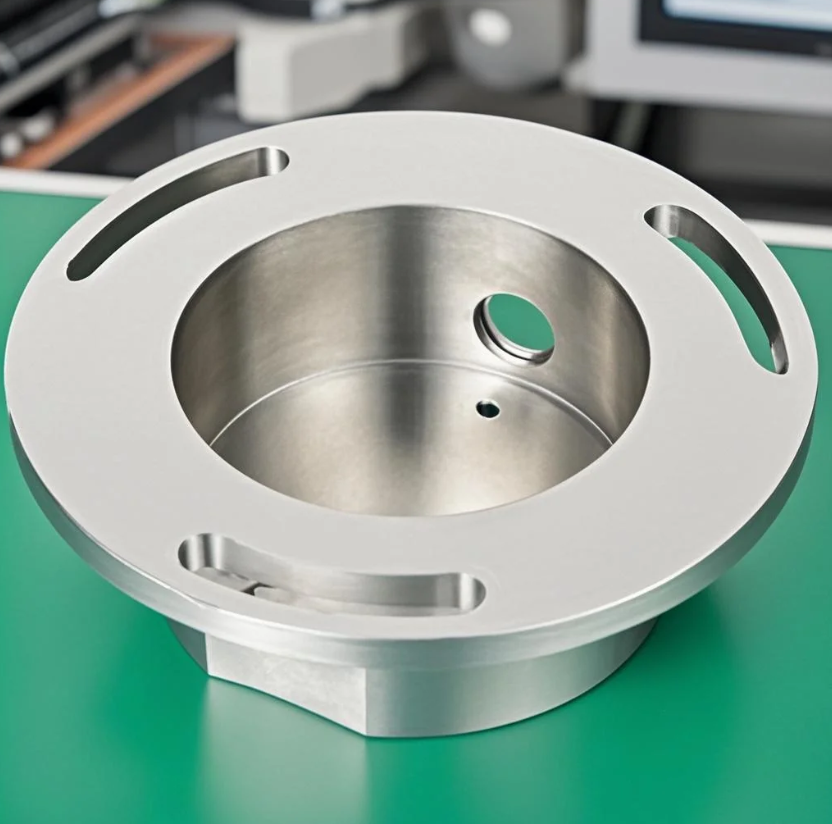
Advantages and Challenges of Stainless Steel CNC Machining
Core Advantages
- Corrosion Resistance: Exceptional resistance to rust, chemicals, and harsh environments, ensuring longevity in outdoor, marine, and chemical processing applications.
- High Strength & Durability: Outperforms mild steel, brass, and aluminum alloys in mechanical robustness, withstanding stress, cracking, and wear.
- Versatile Applications: Suitable for industries ranging from aerospace and automotive to medical, food processing, and energy, due to its adaptability to diverse operating conditions.
- Low Maintenance: Easy to clean and sterilize (compatible with all-purpose cleaners), with inherent corrosion resistance reducing the need for frequent upkeep—ideal for hospitals and kitchens.
- Cryogenic Resistance: Austenitic grades maintain toughness and tensile strength even at sub-zero temperatures, expanding their use in extreme environments.
- Aesthetic Appeal: Retains a silver-white, rust-free appearance, making it suitable for decorative and architectural applications.
Key Challenges
- Machining Difficulty: Some grades (e.g., 300 series) tend to work harden, increasing tool wear and requiring specialized cutting tools and techniques.
- Heat Generation: Poor thermal conductivity causes rapid overheating during machining, risking damage to both the material and equipment.
- Higher Costs: Initial material costs and expensive high-performance cutting tools, combined with frequent tool changes, can elevate production expenses and downtime.
- Technical Expertise: Precision machining demands skilled operators to optimize cutting speeds, tools, and processes, avoiding material damage.
Surface Finishing Options
HLW offers a comprehensive range of surface finishing services to enhance the aesthetics, functionality, and durability of stainless steel CNC-machined parts:
- As Machined: A cost-effective, functional finish with minor tool marks and a slight sheen, suitable for industrial applications.
- Electroplating: Deposits layers of zinc, nickel, or chrome to boost corrosion resistance, conductivity, and wear resistance.
- Passivation: A chemical process that removes contaminants and forms a protective oxide layer, critical for longevity in harsh environments.
- Powder Coating: A heat-cured finish providing chip, scratch, and fade resistance, with customizable colors for indoor and outdoor use.
- Brushed Finish: Creates a subtle, satin-like texture that hides scratches and fingerprints, ideal for architectural fixtures.
- Mirror Polishing: Delivers a smooth, reflective surface for decorative applications like high-end appliances and jewelry.
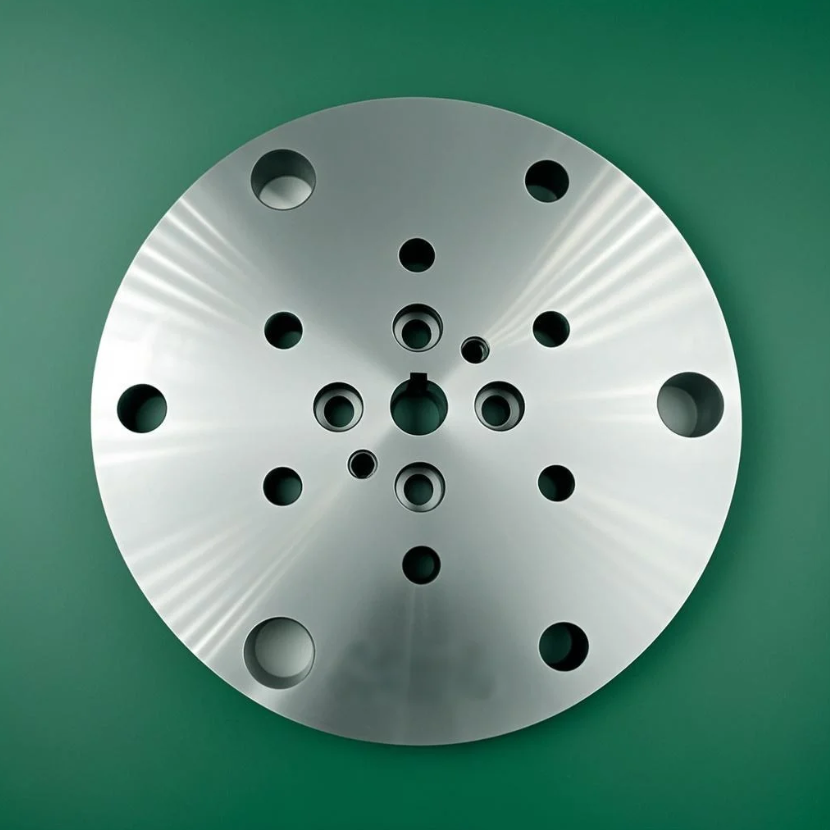
Wide-Ranging Applications
Stainless steel precision CNC-machined parts are integral to numerous industries, leveraging their unique properties to meet critical performance requirements:
- Aerospace & Defense: Aircraft fittings, structural components, high-precision spacecraft parts, and military equipment (e.g., night vision goggle actuators) benefit from high strength and temperature resistance.
- Automotive: Engine parts, exhaust systems, brake components, and fuel injectors rely on durability and heat resistance.
- Medical & Pharmaceutical: Surgical instruments, implants, and lab equipment utilize biocompatibility, corrosion resistance, and sterilizability.
- Food & Beverage: Processing machinery, containers, and kitchen utensils leverage hygiene and easy cleanability.
- Marine & Maritime: Boat fittings, propeller shafts, and offshore equipment withstand saltwater corrosion.
- Chemical & Energy: Pressure vessels, heat exchangers, and oil/gas components resist aggressive chemicals and high pressures.
- Electronics & Optics: Precision components like resonators, mirrors, and satellite parts require tight tolerances and stability.
HLW’s Precision CNC Machining Capabilities
HLW is a trusted provider of stainless steel precision CNC machining services, offering turnkey solutions tailored to diverse project needs. With decades of expertise and state-of-the-art facilities, HLW delivers exceptional quality, reliability, and efficiency across all stages of production.
Core Machining Processes
HLW employs advanced techniques including 3-axis, 4-axis, and 5-axis milling, CNC turning, drilling, boring, tapping, threading, EDM (wire and sinker), and micromachining. These processes enable the production of complex geometries, tight tolerances (as tight as ±0.0005″), and consistent quality for parts ranging in size from palm-sized components to over 100 feet in length.
Equipment & Quality Assurance
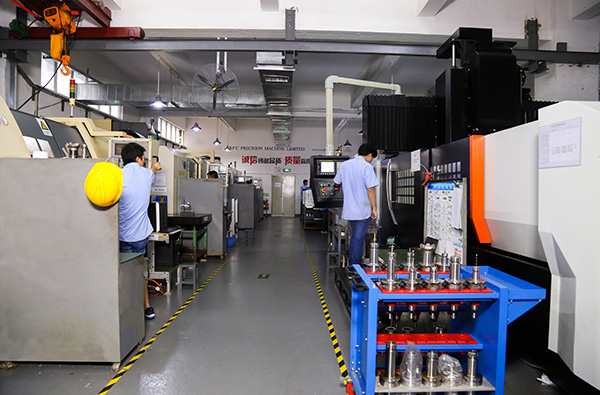
HLW’s manufacturing facilities are equipped with cutting-edge machinery, including German and Swiss CNC machining centers (e.g., HERMLE 5-axis systems), DMG MORI milling/turning machines, Agie Charmilles wire EDM systems, and Zeiss inspection equipment. Adherence to rigorous quality standards—ISO 9001, AS9100 certification, and ITAR registration—ensures compliance with industry-specific requirements, with a 99.4% customer quality satisfaction rate.
Service Advantages
- Customization: Tailored solutions for prototype and production runs, supporting low- to mid-volume batches (typically under 100 parts, with flexibility for higher volumes).
- Rapid Turnaround: Lead times ranging from 5 to 22 days, with some projects completed in less than 10 days.
- Secondary Processes: Comprehensive post-machining services, including heat treatment, anodizing, deburring, painting, assembly, testing, kitting, and coating/plating.
- Virtually Managed Inventory (VMI): Optimizes inventory levels, ensuring timely delivery while reducing on-site storage needs.
- Supply Chain Stability: In-house capabilities and a robust network of vendors guarantee consistent access to diverse stainless steel grades and specialty services.
Frequently Asked Questions
What are the main challenges of machining stainless steel?
Key challenges include work hardening (leading to tool wear), low thermal conductivity (causing overheating), the need for specialized tools, and higher production costs due to tool changes and technical expertise requirements.
Which stainless steel grade is best for machining?
416 stainless steel is the most machinable. Among the 300 series, 303 offers superior machinability, while 304 balances corrosion resistance and ease of machining for versatile applications. The 400 series generally presents fewer machining challenges compared to the 300 series.
Why is stainless steel a low-maintenance material?
Stainless steel’s inherent corrosion resistance, durability, and resistance to bacterial growth minimize maintenance needs. It can be easily cleaned with standard cleaners, making it ideal for hygiene-critical and high-use environments.
Contact HLW
For custom stainless steel precision CNC machining solutions—whether for complex prototypes, production parts, or specialized applications—HLW delivers unmatched quality, precision, and reliability. Contact us today to discuss your project requirements:
- Phone: 18664342076
- Email: info@helanwangsf.com
- Web: https://helanwangsf.com
HLW is committed to exceeding customer expectations with turnkey services, strict quality control, and on-time delivery, solidifying its reputation as a leader in stainless steel precision CNC machining.