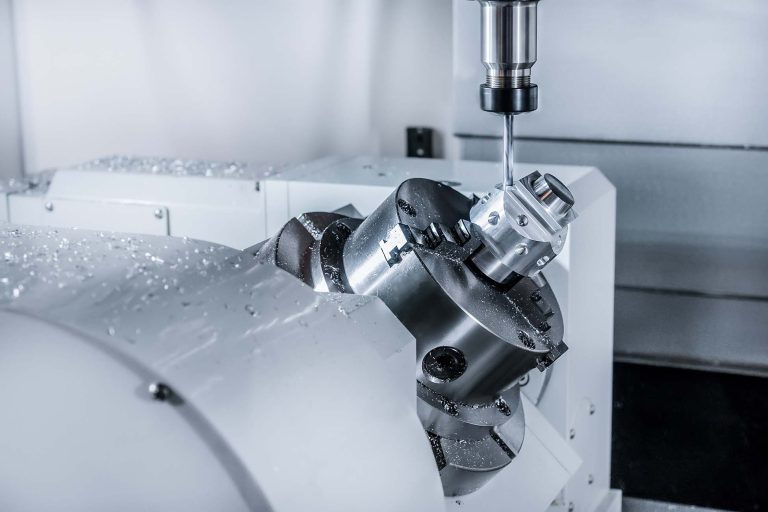
மொபைல் போன் பாகங்களின் சிஎன்சி இயந்திர வேலை
CNC Machining of Mobile Phone Parts: Precision, Process, and Production Excellence
In the fast-paced and highly competitive smartphone manufacturing industry, precision engineering is non-negotiable. Every component, from the outer metal frame to tiny internal brackets, demands tight tolerances, complex geometries, and consistent quality—சிஎன்சி இயந்திர வேலைப்பாடு stands as the cornerstone technology meeting these rigorous demands. As a leading CNC machining manufacturer, HLW specializes in crafting high-precision mobile phone parts, leveraging decades of expertise, advanced machinery, and tailored processes to deliver components that power modern smartphones. This comprehensive guide explores the role of CNC machining in mobile phone production, key processes for critical parts like aluminum middle frames, core benefits, and how HLW’s custom solutions elevate smartphone manufacturing.
The Critical Role of CNC Machining in Smartphone Manufacturing
Smartphones are a symphony of intricate, miniaturized components, all requiring seamless fit, reliable functionality, and premium aesthetics. CNC (Computer Numerical Control) machining is a computer-guided manufacturing process that removes material from a workpiece to create custom parts with extreme precision—making it the ideal solution for smartphone production. Unlike traditional manufacturing methods, CNC machining excels at producing complex shapes, maintaining micron-level tolerances, and replicating parts consistently at scale, even for the most sophisticated smartphone designs.
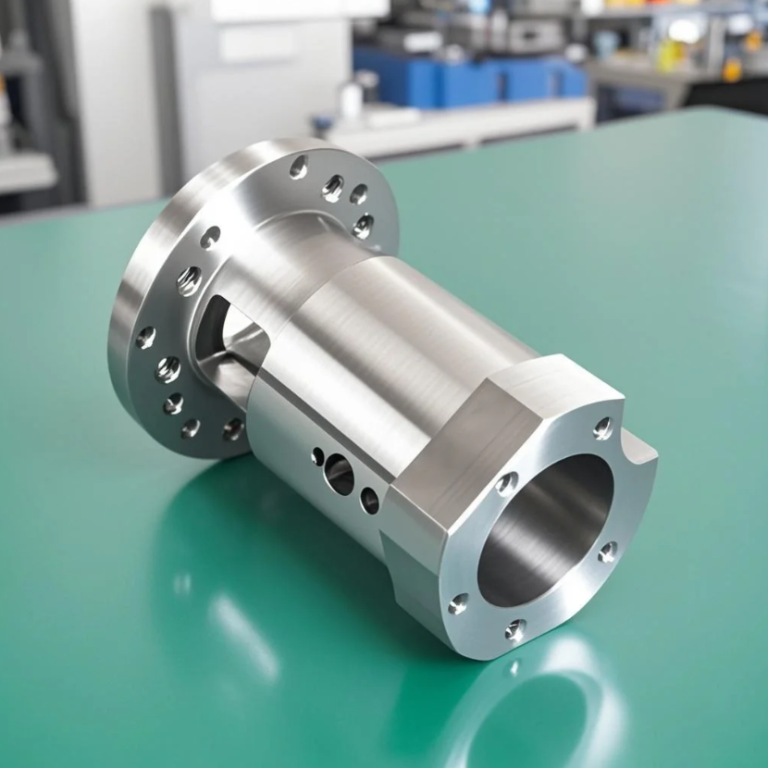
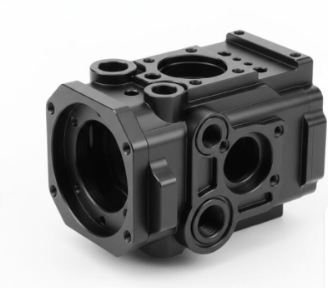
HLW leverages CNC machining to produce a full spectrum of key mobile phone parts, including:
- அலுமினியம்/stainless steel phone casings, middle frames, and back covers
- Precision buttons, charging ports, and electrical connectors
- Camera module housings and lens mounting components
- Internal brackets, mounting hardware, and heat sinks for thermal management
- Custom middle chassis parts for prototype and mass production
For modern smartphones—especially 5G-enabled devices—these parts must not only meet structural and aesthetic standards but also RF (radio frequency) and wireless charging requirements. CNC machining, paired with complementary processes like nano-injection molding, ensures these technical specifications are achieved without compromising design or performance.
Core CNC Machining Processes for Mobile Phone Aluminum Middle Frames
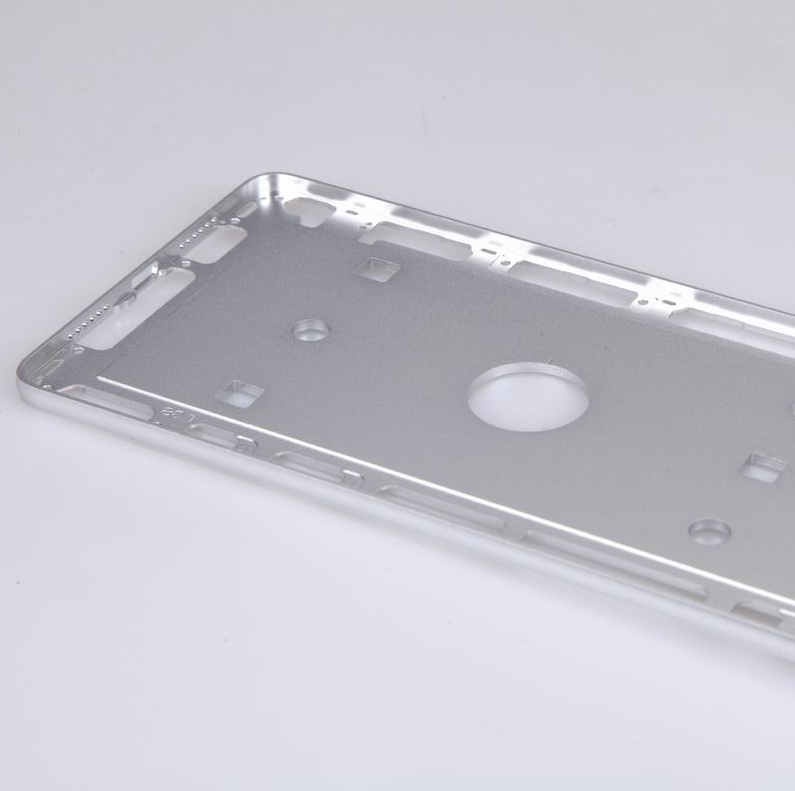
The aluminum middle frame is one of the most critical smartphone components, serving as the structural backbone that connects the front glass panel, back cover, and all internal electronics. CNC precision machining is the gold standard for producing these frames, with a multi-step process optimized for strength, thinness, and dimensional accuracy. HLW follows a refined, industry-leading process for aluminum middle frame production, addressing key challenges like deformation, surface finish, and material integration:
1. Pre-Processing & Material Selection
Aluminum alloys are the primary choice for mobile phone middle frames, balancing lightweight properties, structural strength, and machinability. HLW typically uses 6063 aluminum alloy for mass-produced frames (ideal for anodizing and nano-injection) and 7075 aluminum alloy for high-strength prototype chassis—both engineered to meet the ultra-thin, high-strength trends in smartphone design. For die-cast + CNC hybrid production, aluminum extrusion first densifies the material, creating a uniform plate for precise machining.
2. CNC Rough Machining
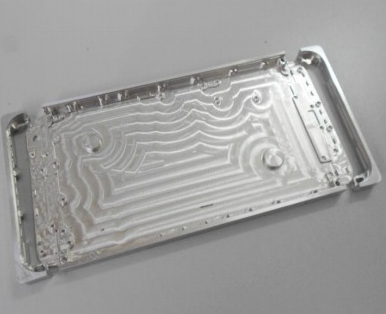
Rough machining shapes the aluminum plate into the basic frame profile, with close attention to leaving minimal material for finishing (ensuring dimensional stability). HLW uses 4-axis CNC machinery and custom pneumatic/vacuum fixtures to clamp the workpiece securely, processing up to 3 sides in a single setup to reduce production time and avoid alignment errors. Critical considerations here include accounting for nano-injection runners and maintaining reference sizes for subsequent finishing steps.
3. Nano-Injection Molding
A game-changing step for metal phone frames, nano-injection molding solves the antenna signal challenge of all-metal designs. Metal frames require breakpoints for unobstructed 5G RF signals, which are connected by plastic via nano-injection. HLW treats the aluminum frame’s metal surface to create nano-scale holes, then injects high-performance plastics (PBT, PPS, PPA) under high temperature and pressure—fusing metal and plastic into a single, seamless component. This process also enables wireless charging compatibility and meets the ultra-thin design demands of modern smartphones.
4. CNC Finish Machining
Finish machining refines the frame to its final dimensions, with tolerances as tight as ±0.005mm at HLW. Imported high-precision CNC machines are used to achieve a smooth surface finish (RA 0.6 or higher), with 320# sanding for an Apple-grade aesthetic. This step also includes milling curved surfaces, side profiles, and precision features like camera cutouts and screw holes—ensuring perfect assembly with other smartphone components.
5. Surface Treatment & Post-Processing
Surface finish is critical for both aesthetics and durability, and HLW combines multiple treatments to deliver premium results:
- Coolant management: Regular pH checks and 3-month coolant changes prevent sand holes, corrosion, and knife marks on the aluminum surface.
- Grinding & polishing: Prepares the frame for anodizing by creating a uniform surface, boosting yield rates for subsequent treatments.
- Sandblasting & anodizing: The most common finish for aluminum frames, sandblasting creates a matte texture, while anodizing forms a hard, wear-resistant, and corrosion-proof oxide film—also enabling custom color matching.
- Laser engraving/screen printing: Adds branding, serial numbers, or functional markings with precision.
- Diamond cutting: For high-gloss accents (e.g., volume button edges), HLW uses diamond-tipped tools and laser tool setters to ensure consistent cut width and angle, creating a premium reflective finish.
6. Final QC & Assembly
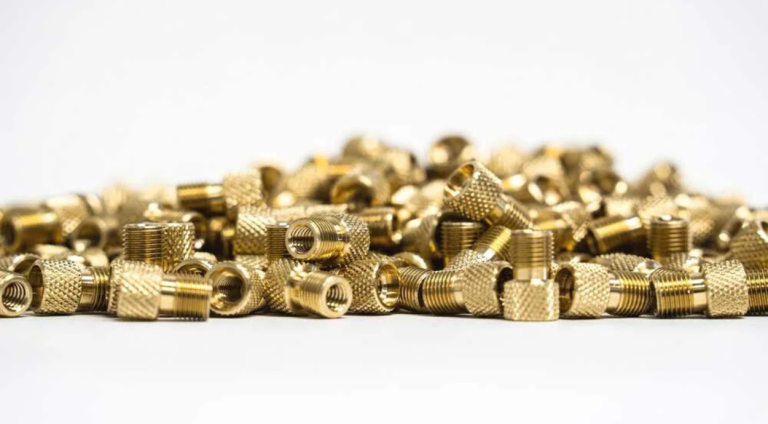
HLW conducts strict quality control testing at every stage, with final checks for dimensional accuracy, surface finish, and structural integrity. For full production, the process concludes with hot melt nut insertion—securing assembly nuts into the nano-injected plastic for motherboard and component mounting.
Key Benefits of CNC Machining for Mobile Phone Part Production
CNC machining offers unparalleled advantages for smartphone manufacturers, addressing the industry’s need for precision, customization, and scalability. HLW leverages these benefits to deliver parts that meet the most demanding design and production standards:
1. Unmatched Precision & Tight Tolerances
Smartphone components leave no room for error—even a micron of deviation can cause assembly failures or malfunctions. CNC machining produces parts with tolerances as tight as a few microns, ensuring every component fits seamlessly. HLW’s precision machining guarantees consistent alignment for camera modules, connectors, and internal brackets, critical for optimal smartphone performance.
2. Material Versatility
CNC machining works with a wide range of materials, from aluminum alloys (6063, 7075) and stainless steel to high-strength polymers and composites. HLW’s material expertise allows manufacturers to select the ideal material for each part: lightweight aluminum for frames, high-strength 7075 for prototype chassis, and plastics for nano-injection—all tailored to performance, durability, and aesthetic needs.
3. Customization for Innovative Smartphone Designs
Smartphone designs evolve rapidly, with slimmer profiles, curved displays, and unique features driving the need for custom parts. சிஎன்சி இயந்திர வேலைப்பாடு offers full customization, enabling HLW to produce one-of-a-kind components—from ultra-thin middle chassis (0.4mm thick sections) to intricate camera housing cutouts—tailored to a manufacturer’s unique design specifications. This is especially valuable for prototype development, where rapid iteration is key.
4. Ability to Create Complex Geometries
Traditional manufacturing methods struggle with the fine detailing and complex geometries required for modern smartphone parts (e.g., tiny M1.2 threaded holes, sharp corners for camera modules). CNC machining excels here, and HLW complements it with EDM (electric discharge machining) for features that exceed CNC tool geometric limitations, followed by manual corner cleaning by skilled craftsmen for perfect finish.
5. Consistency & Scalability for Mass Production
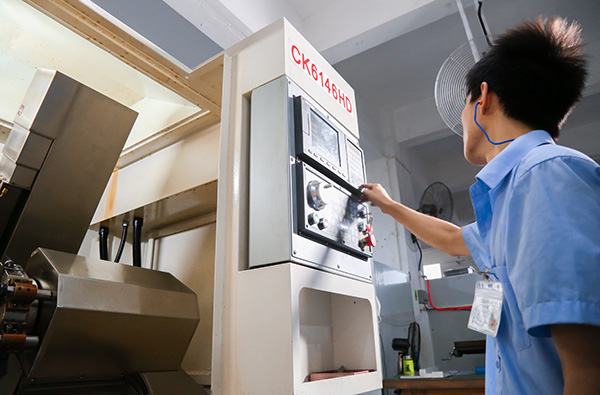
The smartphone industry demands high-volume production with zero variation. Once a CNC program is finalized, HLW’s machines produce hundreds or thousands of identical parts with consistent quality—eliminating human error. This repeatability ensures that every frame, casing, or connector fits into the assembly line seamlessly, reducing production downtime and waste.
6. Cost-Effectiveness for Large-Scale Production
While CNC machining has higher initial setup costs, it is highly cost-effective for mass production. HLW’s automated CNC processes minimize material waste and labor costs, and the hybrid CNC + die casting process further optimizes costs: die casting creates the basic frame shape (reducing material waste), while CNC finishing refines it to precision standards. For prototypes, CNC machining avoids the high mold costs of die casting, making it the most economical choice for small-batch production.
7. Faster Time-to-Market
In the competitive smartphone industry, speed is everything. CNC machining enables rapid prototyping—HLW can deliver custom prototype middle chassis in just 7 business days—allowing manufacturers to test and refine designs quickly before full production. Fast quoting, rapid delivery, and streamlined processes from HLW accelerate design cycles and get new smartphones to market faster.
CNC Machining vs. Die Casting: Hybrid Solutions for Optimal Results
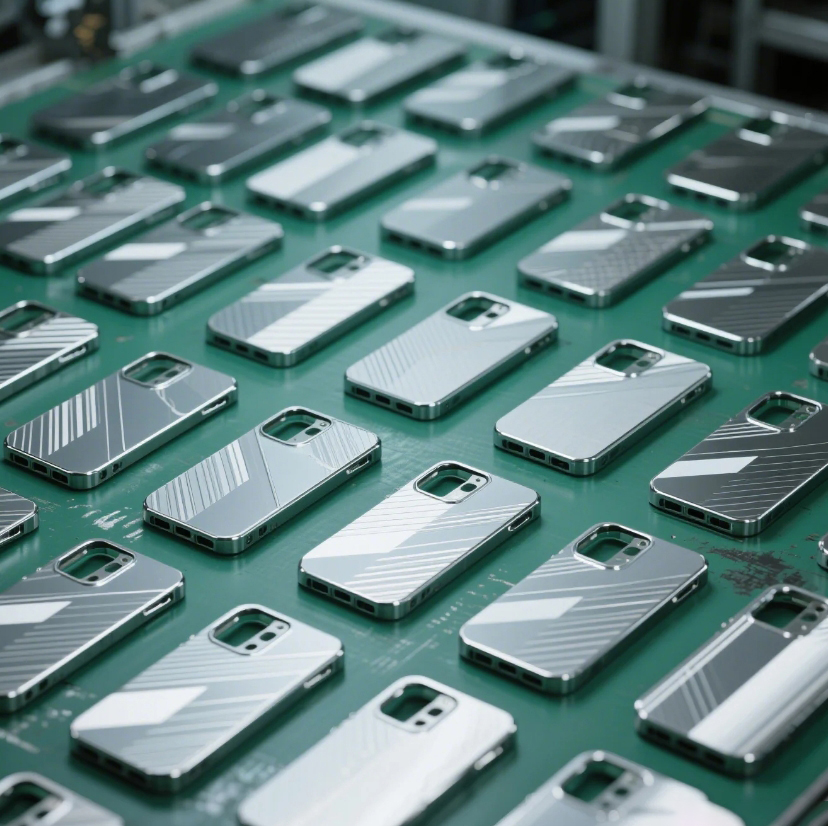
Smartphone manufacturers often debate between full CNC machining மற்றும் die casting for metal shell production—HLW offers a hybrid CNC + die casting process that combines the best of both worlds, addressing the limitations of each standalone method:
- Full CNC machining: Delivers superior quality, tight tolerances, and perfect surface finish (ideal for high-end flagships) but has higher material waste and costs.
- Die casting: Reduces material waste and production time, lowering costs, but can leave sand holes/flow marks and is less compatible with anodizing.
- CNC + die casting: Die casting creates the basic frame shape, and CNC finishing refines it to precision tolerances—balancing cost, speed, and quality for mass production.
HLW’s engineering team evaluates each project to recommend the optimal process, whether full CNC for prototypes/high-end parts, die casting for low-cost mass production, or the hybrid solution for balanced performance.
Why Choose HLW for CNC Machining of Mobile Phone Parts?
HLW is a trusted partner for smartphone manufacturers worldwide, with over 10 years of experience in CNC machining for consumer electronics and a senior design/production team dedicated to excellence. Our custom solutions address the unique challenges of mobile phone part production, from ultra-thin chassis deformation to micron-level precision requirements. Here’s what sets HLW apart:
- Industry-leading precision: Parts machined to ±0.005mm tolerances, with advanced 4-axis/5-axis CNC machinery and laser tool setters for perfect accuracy.
- Tailored process design: Custom fixtures (pneumatic, vacuum), processing routes, and hybrid CNC/die casting solutions for each project—minimizing deformation and maximizing yield.
- Comprehensive material expertise: Proficiency with 6063/7075 aluminum alloys, PBT/PPS/PPA plastics, and other smartphone-grade materials, with guidance on material selection for performance and cost.
- End-to-end service: From prototyping to mass production, including nano-injection molding, surface treatment, and QC—one-stop solutions for all mobile phone part needs.
- 100% quality responsibility: HLW takes full accountability for quality issues, with strict testing at every production stage to ensure defect-free parts.
- விரைவான செயலாக்கம்: Rapid quoting, 7-day prototype delivery, and on-time mass production delivery to keep your manufacturing line on schedule.
- Cost-effective solutions: Competitive pricing for small-batch and high-volume production, with hybrid processes and automated machining to reduce your manufacturing costs.
Contact HLW for Your Custom Mobile Phone CNC Machining Needs
CNC machining is the backbone of modern smartphone manufacturing, delivering the precision, customization, and scalability that the industry demands. Whether you need prototype aluminum middle chassis, mass-produced metal frames, or custom precision components for 5G smartphones, HLW has the expertise, machinery, and tailored processes to bring your designs to life.
Reach out to HLW today to discuss your project, get a fast quote, and partner with a CNC machining manufacturer that prioritizes your success:
- தொலைபேசி: +86 18664342076
- மின்னஞ்சல்: info@helanwangsf.com
Let HLW’s precision engineering power your next generation of smartphones—where quality, speed, and customization meet.