
In the era of 5G expansion, IoT proliferation, and data-driven connectivity, the telecommunications industry demands components that blend precision, reliability, and adaptability. CNC (Computer Numerical Control) machining has emerged as a cornerstone technology, enabling the production of custom, high-performance parts that power network infrastructure, data centers, and communication devices. HLW leverages advanced CNC capabilities to meet the industry’s rigorous standards, delivering tailored solutions that support seamless connectivity and technological innovation.

The Role of CNC Machining in Telecommunications
Telecommunications systems rely on components that perform under extreme conditions—from high-frequency signals to harsh environmental factors (temperature fluctuations, moisture, vibration). CNC machining addresses these demands through computer-controlled precision, transforming raw materials into intricate parts with tight tolerances (often ±0.001 inches or tighter). This technology supports both low-volume custom production (for specialized network equipment) and high-volume manufacturing (for mass-deployed devices), making it ideal for an industry marked by rapid technological evolution and diverse component needs.
HLW’s CNC machining portfolio for telecommunications includes 3-axis, 4-axis, 5-axis milling, turning, Swiss machining, and precision grinding—all optimized to fabricate components like antenna housings, filter brackets, server chassis, fiber optic connectors, and signal processing hardware. By integrating CAD/CAM software and real-time process monitoring, HLW ensures consistent quality, reduces lead times, and adapts quickly to design iterations—critical for keeping pace with telecom’s fast-paced innovation cycles.
Core Advantages of CNC Machining for Telecom Components
Micron-Level Precision for High-Frequency Performance
Telecom components (e.g., filters, waveguides, antenna elements) require ultra-precise dimensions to maintain signal integrity and minimize interference. CNC machining achieves unparalleled accuracy, ensuring parts fit seamlessly into complex systems and deliver reliable high-frequency performance. This precision is especially vital for 5G and upcoming 6G technologies, where signal loss or distortion can disrupt network efficiency.
Customization for Diverse Telecom Applications
No two telecom projects are identical—from small-cell base stations to large data center servers, each requires specialized components. CNC machining enables HLW to create custom parts tailored to unique specifications: whether modifying the geometry of a fiber optic adapter, adjusting the thickness of a heat sink, or designing a proprietary connector housing. This flexibility allows telecom companies to innovate without compromising on fit or function.
Broad Material Compatibility for Specialized Needs
Telecom components demand materials that balance conductivity, durability, lightweight design, and corrosion resistance. HLW’s CNC machining processes support a wide range of substrates optimized for telecom applications:
- Metals: Aluminum (lightweight, excellent thermal conductivity for heat sinks), copper (high electrical conductivity for connectors), stainless steel (corrosion resistance for outdoor equipment), and brass (machinability for precision parts).
- Engineering Plastics: PEEK, ABS, and polycarbonate (insulation, impact resistance, and cost-effectiveness for housings and brackets).
- Composites: Carbon fiber and fiberglass (high strength-to-weight ratio for satellite and aerospace telecom components).
High Reliability for Mission-Critical Systems
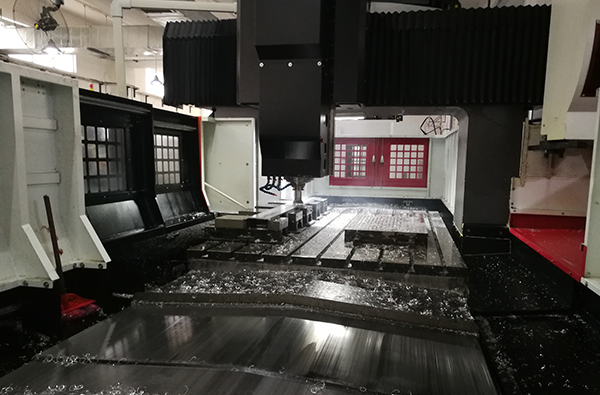
Telecommunications infrastructure operates 24/7, and component failure can lead to costly downtime. CNC machining ensures consistent part quality and structural integrity, with repeatable results that meet industry standards (e.g., ISO 9001, RoHS). HLW’s rigorous quality control—including dimensional inspection, surface finish testing, and material verification—guarantees that every component performs reliably in mission-critical environments.
Efficiency and Speed-to-Market
Telecom technology evolves rapidly, and companies need to deploy new equipment quickly to stay competitive. CNC machining streamlines production with automated tool changers, high-speed cutting, and rapid programming, reducing lead times from design to delivery. For urgent projects, HLW’s optimized workflows enable fast prototyping and bridge production, helping clients accelerate product launches and respond to market demands.
Key Telecom Components Manufactured via CNC Machining
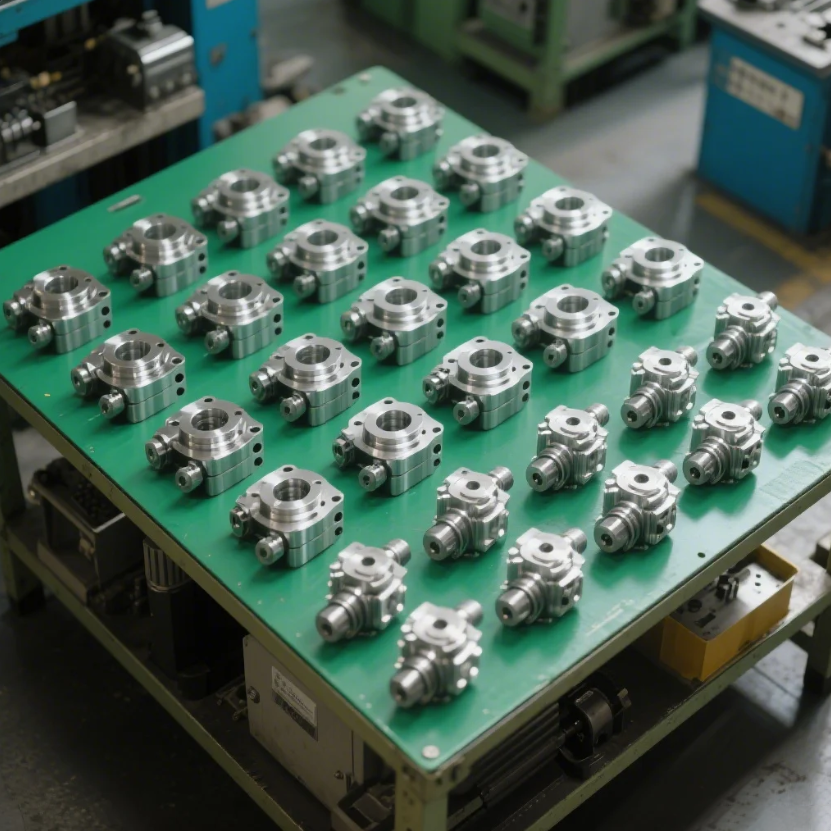
HLW’s CNC machining services support a wide range of critical telecom components, each designed to enhance connectivity and system performance:
Antenna and Base Station Components
- Antenna housings, reflectors, and mounting brackets (machined for precise signal propagation).
- RF filters and waveguides (high-precision parts that minimize signal interference in 5G/6G networks).
- Heat sinks (optimized for thermal management in high-power base stations).
Data Center Equipment
- Server chassis and rack components (robust, precision-machined to accommodate dense computing hardware).
- Cable management brackets and connector panels (organized, durable solutions for high-density data centers).
- Cooling system parts (heat exchangers, fan housings) that maintain optimal operating temperatures for servers.
Fiber Optic and Network Connectivity
- Fiber optic adapters, sleeves, and couplers (precision-machined to ensure low-loss signal transmission).
- Ethernet connectors and port housings (reliable, durable interfaces for wired networks).
- Router and switch components (backplane brackets, circuit board holders) that support high-speed data transfer.
Satellite and Aerospace Telecom
- Satellite dish components (lightweight, high-strength parts for orbital and ground-based satellite systems).
- Aerospace communication hardware (precision-machined to withstand extreme pressure and temperature conditions).
Outdoor Telecom Equipment
- Weatherproof housings and enclosures (corrosion-resistant, sealed components for outdoor base stations and routers).
- Pole-mounted brackets and mounting hardware (robust, adjustable parts for easy installation and maintenance).
Addressing Telecom-Specific CNC Machining Challenges
The telecommunications industry presents unique challenges that HLW solves through specialized expertise and technology:
- Miniaturization: As 5G devices and small-cell networks shrink, components require tighter tolerances and smaller form factors. HLW uses Swiss CNC machining and micro-machining techniques to produce tiny, intricate parts without sacrificing precision.
- High-Frequency Signal Integrity: RF components demand smooth surface finishes and precise geometries to avoid signal loss. HLW’s advanced cutting tools and post-processing (e.g., polishing, anodizing) ensure optimal signal performance.
- Environmental Resistance: Outdoor telecom equipment must withstand rain, wind, and temperature extremes. HLW selects corrosion-resistant materials and applies protective coatings (e.g., anodization, powder coating) to enhance durability.
- Regulatory Compliance: Telecom components must meet strict industry standards for safety and environmental impact. HLW ensures compliance with RoHS, REACH, and other regulations through material testing and process control.
The Future of CNC Machining in Telecommunications
As the telecommunications industry evolves toward 6G, IoT, and edge computing, CNC machining will play an increasingly critical role in enabling next-generation technology:
- 6G-Ready Components: 6G networks will require even smaller, more precise parts with higher frequency capabilities. HLW is investing in advanced 5-axis CNC machines and micro-machining technology to meet these demands.
- IoT Integration: Smart telecom devices will require custom sensors and connectivity components, driving demand for highly specialized CNC-machined parts.
- Sustainable Manufacturing: HLW is optimizing processes to reduce material waste, energy consumption, and carbon footprint—aligning with the telecom industry’s growing focus on sustainability.
- Digitalization and Automation: Integration of AI, IoT, and predictive maintenance into CNC workflows will further enhance efficiency, quality, and scalability, supporting the industry’s need for rapid innovation.
Conclusion
CNC machining is indispensable to the telecommunications industry, providing the precision, customization, and reliability required to power global connectivity. From 5G base stations to data centers and satellite systems, HLW’s CNC-machined components enable telecom companies to innovate, scale, and deliver seamless services to users worldwide.
As a trusted partner in telecom component manufacturing, HLW combines state-of-the-art CNC technology, industry expertise, and a customer-centric approach to deliver tailored solutions. Whether you need custom antenna parts, high-precision fiber optic components, or durable data center hardware, HLW ensures compliance with strict industry standards, fast turnaround times, and consistent quality.
For inquiries about CNC machining and customization services for telecommunications components, contact HLW at 18664342076 or info@helanwangsf.com. Partner with HLW to unlock the full potential of your telecom infrastructure and stay ahead in the dynamic world of connectivity.