In the world of music, the quality of a musical instrument is defined by its precision, sound, and craftsmanship—and behind every exceptional instrument lies advanced manufacturing technology. CNC işleme has emerged as the cornerstone of producing custom musical instrument parts, blending unrivaled accuracy with creative flexibility to meet the demands of musicians, luthiers, and instrument manufacturers alike. From brass instrument valves to guitar necks and violin bodies, CNC machining redefines what’s possible in custom musical instrument production, merging technical precision with the artistry of music-making. This guide explores how CNC machining elevates the creation of custom musical instrument parts, its key applications, benefits, and the critical role it plays in shaping the future of musical instrument manufacturing.
Why CNC Machining Is Essential for Custom Musical Instrument Parts
Musical instruments demand micron-level precision—even the smallest dimensional error can alter an instrument’s tone, playability, and durability. CNC (Computer Numerical Control) machining uses programmed computer instructions to control cutting tools, delivering consistent, high-precision results that traditional manual craftsmanship struggles to match. For custom musical instrument parts, this technology offers a suite of unbeatable advantages that make it the go-to manufacturing method for both small-batch custom builds and large-scale production:
- Unmatched Precision & Tight TolerancesCNC machining achieves tolerances as tight as ±0.005″ (0.13 mm) and even micron-level accuracy for critical components, such as brass instrument valves or guitar frets. This precision ensures airtightness in brass instruments, perfect intonation in stringed instruments, and smooth functionality across all parts—eliminating the human error inherent in manual production. For example, a coaxiality error of just 0.01mm in a saxophone key can disrupt airflow and intonation; CNC machining stabilizes this tolerance to ±0.005mm, guaranteeing optimal performance.
- Consistency Across ProductionWhether producing a single custom part or 200,000 identical components, CNC machining delivers uniform quality every time. This consistency is vital for mass production, ensuring every instrument sounds and plays the same, and for custom builds, where precise replication of a unique design is non-negotiable.
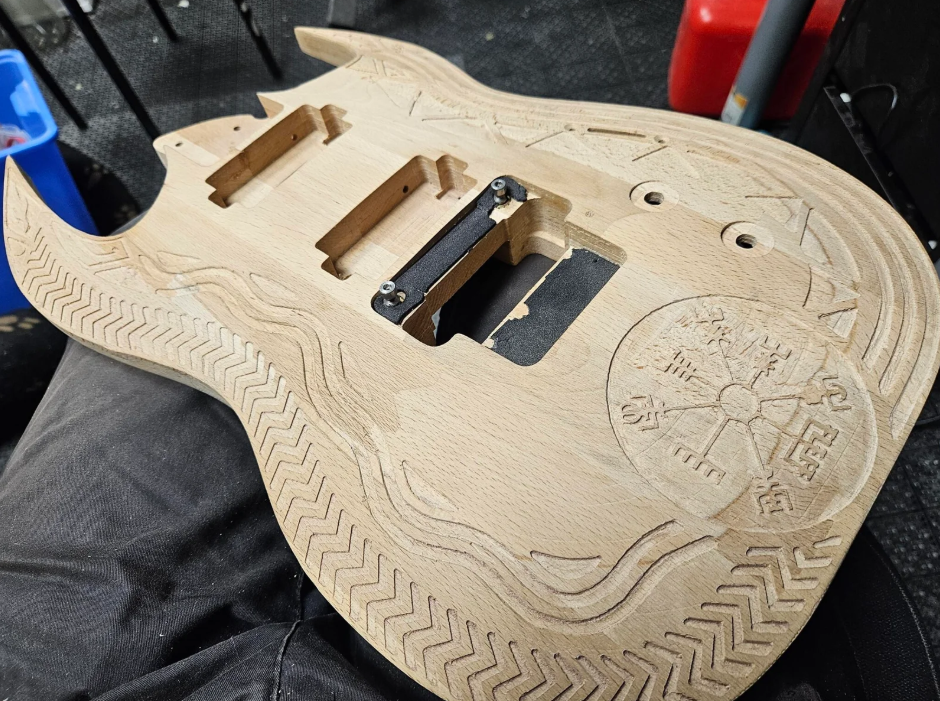
- Design Freedom & CustomizationCNC machining unlocks complex geometries and custom designs that are nearly impossible to create by hand—from honeycomb sound beams in guitars to intricate inlays on fretboards and spiral sound holes in woodwinds. Musicians can tailor every detail of their instrument parts to their playing style, from the height of guitar frets to the contour of a violin body, while manufacturers can experiment with innovative shapes to enhance acoustic performance.
- Malzeme Çok YönlülüğüCNC machining works with nearly every material used in musical instrument production, from traditional tonewoods (maple, mahogany, spruce, ebony) and Pirinç to modern metals (alüminyum, titanium alloy) and composites (carbon fiber, acrylic). This versatility allows for experimentation with new materials to improve sound—such as aluminum guitar bodies for enhanced sustain or carbon fiber bridge components for lighter weight and better resonance stability.
- Efficiency & ScalabilityCNC machines operate 24/7 with minimal supervision, reducing production time and labor costs. They seamlessly scale from one-off custom prototypes to high-volume production runs, making CNC machining cost-effective for boutique luthiers, small shops, and large OEM manufacturers alike. For example, CNC machining can produce eight guitar necks in just 35 minutes, a speed that manual craftsmanship cannot match.
Key Applications of CNC Machining in Custom Musical Instrument Parts
CNC machining is used to produce nearly every component of musical instruments, spanning stringed, brass, woodwind, and keyboard instruments. No matter the instrument type, CNC technology ensures each part is machined to exact specifications, with applications split across core structural components, precision hardware, and decorative elements. Below are the most common custom musical instrument parts crafted with CNC machining, organized by instrument category:
Brass & Woodwind Instrument Parts
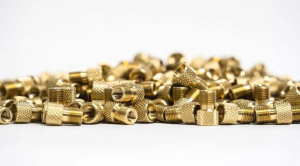
Brass and woodwind instruments rely on tight-tolerance metal components for airflow and sound production, making CNC machining the ideal manufacturing method. Brass is the primary material for these parts—easily machinable, durable, and corrosion-resistant—with CNC machines producing components that meet the strictest acoustic standards. Key custom parts include:
- Valve casing, valve case blank, bottom valve cap, top cap
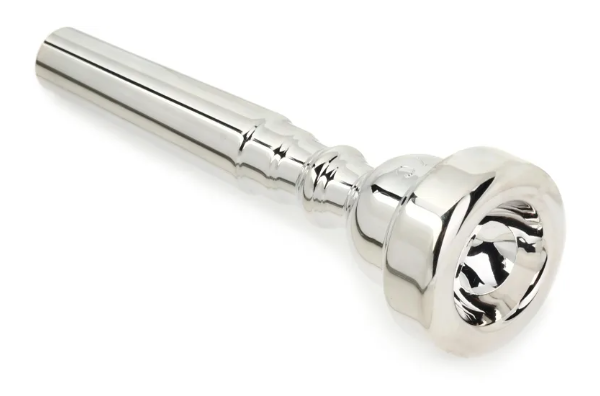
- Mouthpieces (trumpet, trombone, saxophone)
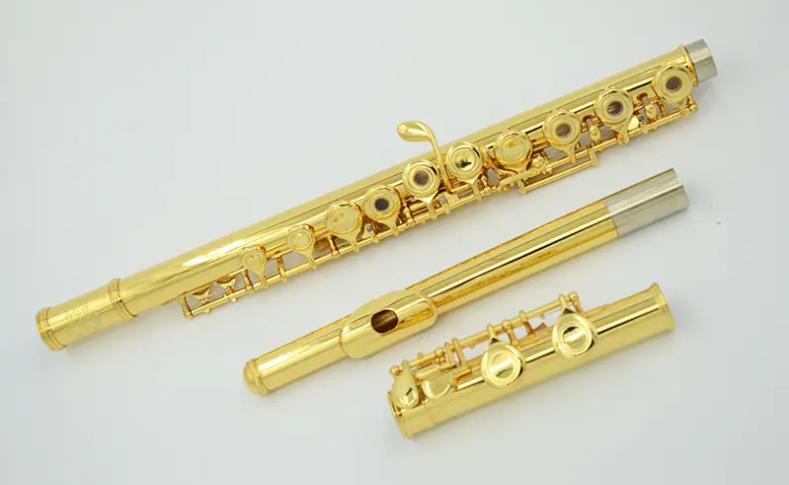
- Flute body tubes, clarinet joints, saxophone keys
- Pistons and ballisters for brass instrument valve systems
All these parts require precise machining to ensure airtightness and smooth operation; CNC machining guarantees the tight tolerances needed to optimize airflow and tone quality for brass and woodwinds.
Stringed Instrument Parts (Guitars, Violins, Basses)
CNC machining is the backbone of modern stringed instrument production, used for both structural components that define tone and playability and decorative elements that add artistic detail. For guitars (acoustic, electric, classical), violins, and basses, CNC-machined custom parts include:
Yapısal Bileşenler
- Guitar bodies (solid, semi-hollow, hollow) with custom contours, weight-relief chambers, and pickup cavities
- Guitar/violin necks with ergonomic profiles (C, V, U shapes), headstock angles, and truss rod channels
- Fretboards with precise fret slotting, radius cutting, and multiscale/compound radius designs
- Violin bodies and panels, including replication of classic designs (e.g., Stradivarius violins)
Hardware & Functional Parts
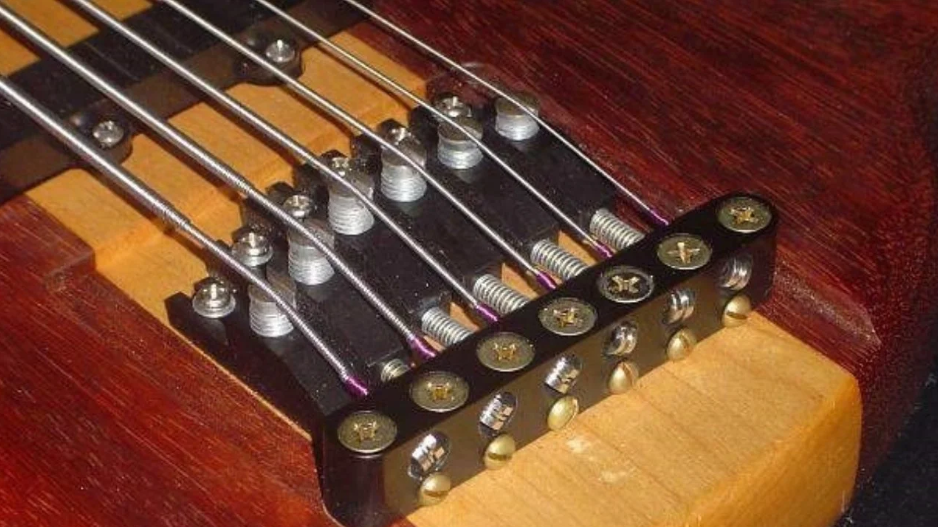
- String height adjusters, bridges (wooden and metal), tailpieces
- Tuning peg components, jack plates, truss rod covers
- Fret sets with customizable height for individual playing styles (using specialist CNC machines like the Plek Machine)
Aesthetic Elements
- Intricate inlays (mother-of-pearl, abalone) on fretboards and headstocks
- Custom pickguards, pickup covers, and logo plaques/engraving
Keyboard Instrument Parts (Pianos, Digital Keyboards)
Pianos and digital keyboards demand consistent, durable components for smooth playability, and CNC machining delivers the precision needed for their complex action mechanisms and structural parts. Custom CNC-machined parts include:
- Piano keys, hammers, and action mechanisms with uniform tolerances for consistent touch
- Piano cabinet components and structural hardwood parts for optimal acoustics
- Digital keyboard speaker grills, rim mounts, and endpins
- Synthesizer faceplates for electronics encasement and attachment
Other Custom Musical Instrument Parts
CNC machining also produces a wide range of auxiliary custom parts for all instrument types, including:
- Drum shells (wood, acrylic, metal) with intricate patterns
- Drum pedals and brass hardware for percussion instruments
- Wiring channels, control cavities, and pickup cavities for electric instruments
- Production tools (templates, jigs, drill guides) for luthiers and manufacturers
CNC Machining Equipment for Custom Musical Instrument Parts
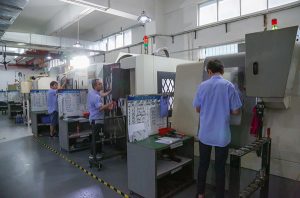
Producing high-quality custom musical instrument parts requires state-of-the-art CNC equipment, tailored to the size, complexity, and volume of the parts being machined. Leading manufacturers like HLW use a comprehensive range of CNC machines to handle all types of custom musical instrument part production, from small brass components to large guitar bodies. Key equipment includes:
- CNC LathesI deal for medium to high-volume, complex, tight-tolerance small parts (e.g., mouthpieces, valve components) up to 11-axis twin spindle/twin-turret capability. Supports round (1.250″/32mm), hex (1.062″/26.99mm), and square (0.875″/22.23mm) stock, with magazine bar feed for continuous production.
- CNC Bar LathesFor larger medium/high-volume complex parts (e.g., flute body tubes, guitar bridge components) with up to 11-axis capability. Handles larger stock: round (2.625″/66.675mm), hex (1.562″/39.7mm), square (1.250″/32mm), and chucking up to 10″/254mm.
- Multi-Spindle Davenport MachinesFor ultra-high-volume production (200,000 pieces minimum) of small brass and metal parts (e.g., valve caps, string adjusters), with live tooling attachments to reduce production operations. Supports round (0.875″/22.23mm), hex (0.6875″/17.46mm), and square (0.562″/14.29mm) stock.
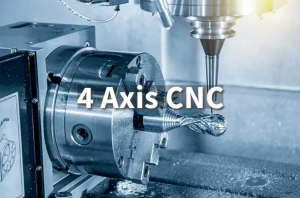
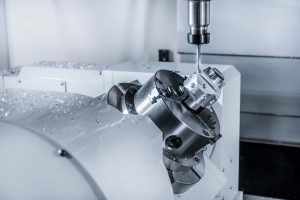
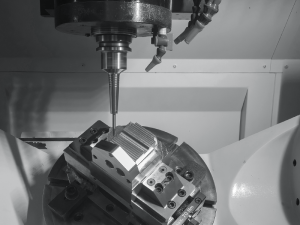
- 5-Axis CNC Milling Machines/Vertical Machining Centers (VMC)The gold standard for complex 3D parts (e.g., guitar bodies, violin necks, drum shells) that require precise contouring and shaping. 5-axis machines enable machining of intricate angles and geometries in a single setup, critical for replicating classic instrument designs and creating custom acoustic structures.
- Specialist CNC MachinesTools like the Plek Machine, designed for guitar fretboard optimization, ensure frets are machined to a uniform height tailored to a musician’s playing style—protrusive for tactile feedback or low-profile for smooth sliding.
All HLW’s CNC manufacturing processes are ISO 9001:2015 certified, guaranteeing the highest quality control and reliability for custom musical instrument parts.
Blending CNC Machining with Traditional Craftsmanship
While CNC machining delivers unrivaled precision and efficiency, the best custom musical instruments combine CNC technology with traditional handcraftsmanship—a hybrid approach that marries modern precision with the artistic touch of manual finishing. This mixed method is now standard in the industry, particularly for high-end custom builds and instrument restoration, for several key reasons:
- CNC for Precision, Hand for Artistry: CNC machines handle the repeatable, high-precision work (e.g., fret slotting, valve machining, body shaping), while skilled luthiers add hand finishing (e.g., sanding, varnishing, inlay detail, violin F-hole edging) to enhance aesthetics and tone.
- Instrument Restoration: For classic instrument restoration (e.g., Stradivarius violins), CNC machining (paired with 3D/CT scanning) replicates precise structural components, while manual techniques are used for delicate gouging, scraping, and finishing to preserve the instrument’s original character.
- Acoustic Optimization: Hand finishing can fine-tune the surface quality of CNC-machined parts (e.g., polishing a violin saddle to Ra0.2μm roughness) to improve vibration transmission and high-frequency response—something CNC machining alone cannot achieve.
This hybrid approach ensures custom musical instruments have the precision of modern manufacturing and the soul of traditional craftsmanship, delivering both exceptional performance and artistic beauty.
Innovations in CNC Machining for Custom Musical Instrument Parts
CNC machining is constantly evolving, driving innovation in musical instrument design and production with new technologies, materials, and acoustic optimization techniques. The latest advancements are pushing the boundaries of what’s possible for custom musical instrument parts:
- 3D/CT Scanning for Classic Instrument ReplicationCNC machining paired with CT or 3D scanning enables the precise replication of iconic, high-value instruments (e.g., a 1704 Stradivarius violin). Scanning captures 1,000+ detailed images to create a digital 3D model, which CNC machines use to carve exact replicas of the instrument’s body, neck, and internal structure—making classic, expensive instruments more accessible to musicians worldwide.
- Experimental Materials for Unique SoundCNC machining’s material versatility allows manufacturers to experiment with non-traditional materials for custom parts, creating unique tonal qualities:
- Aluminum guitar bodies (machined on VMCs) for “insane” sustain and a futuristic sound
- Titanium alloy sound tubes for brass instruments, with wall thickness tolerances of ±0.02mm and 20% improved tone translucency
- Carbon fiber guitar bridges, 30% lighter than traditional wood with 15% better resonance stability
- Acoustic Simulation & Parametric ModelingAdvanced software (e.g., ANSYS acoustic simulation) is used to optimize custom part designs before machining—e.g., shaping sound holes to improve mid-frequency response by 25% or creating honeycomb sound beams in guitars to extend the sound range by 12%. CNC machines then bring these acoustically optimized designs to life with precise machining.
- Micron-Level Surface Finish OptimizationCNC machining combined with post-processing (e.g., electrochemical polishing, hand buffing) achieves ultra-smooth surface finishes (Ra0.1μm) on brass instrument inner walls, reducing airflow resistance and brightening tone. For stringed instruments, smooth surface finishes on saddles and necks improve vibration transmission and reduce damping.
- Sürdürülebilir ÜretimCNC machining is increasingly integrated with sustainable practices, including the use of eco-friendly tonewoods, recycled metals, and precision material cutting to minimize waste. This sustainability aligns with the music industry’s growing focus on environmental responsibility while maintaining the highest quality for custom parts.
Choose HLW for Your Custom Musical Instrument CNC Machining Needs
When it comes to producing high-quality, custom musical instrument parts, HLW is the trusted partner for musicians, luthiers, and instrument manufacturers worldwide. With decades of experience in precision CNC machining, state-of-the-art equipment, and an ISO 9001:2015 certified manufacturing process, HLW delivers custom musical instrument parts that meet the strictest precision, acoustic, and quality standards.
HLW'nin Sundukları
- Custom Design & Engineering: From initial CAD design to post-production, HLW’s skilled engineers and machinists provide end-to-end support for custom part development, including value-added consulting to optimize designs for machining and acoustics.
- Unmatched Precision: HLW achieves micron-level tolerances and tight dimensional accuracy for all parts, from small brass valves to large guitar bodies—ensuring optimal performance and sound.
- Full Material Versatility: Work with all musical instrument materials, including brass, tonewoods, aluminum, titanium, carbon fiber, and plastics, with over 50 material options for custom builds.
- Scalable Production: From one-off custom prototypes to high-volume runs (200,000+ pieces), HLW’s CNC equipment handles all production volumes with consistent quality.
- Hybrid Craftsmanship: HLW blends CNC precision with hand finishing for high-end custom parts, ensuring the perfect balance of technical accuracy and artistic detail.
HLW ile Bugün İletişime Geçin
Whether you need a single custom mouthpiece, a batch of guitar necks, or high-volume brass valve components, HLW has the expertise and equipment to bring your custom musical instrument part designs to life.
Telefon: +86 18664342076
E-posta: info@helanwangsf.com
Sonuç
CNC machining has transformed the production of custom musical instrument parts, merging technical precision with creative freedom to create instruments that sound better, play smoother, and are more customizable than ever before. From the tight tolerances of brass instrument valves to the intricate contours of a custom guitar body, CNC technology is the backbone of modern musical instrument manufacturing—supporting both mass production and one-of-a-kind custom builds.
By blending CNC machining with traditional craftsmanship, manufacturers and luthiers create instruments that have the precision of modern technology and the artistry of handcraftsmanship, while ongoing innovations in materials, scanning, and acoustic simulation continue to push the boundaries of what’s possible. For anyone seeking high-quality, custom musical instrument parts, CNC machining is not just a manufacturing method—it’s the key to unlocking exceptional sound, playability, and design.
With a trusted partner like HLW, you can turn your custom musical instrument part ideas into reality, with the precision, quality, and expertise that the music industry demands.