Gia công CNC các chi tiết hợp kim nhôm: Hướng dẫn toàn diện về sản xuất chính xác
Giới thiệu
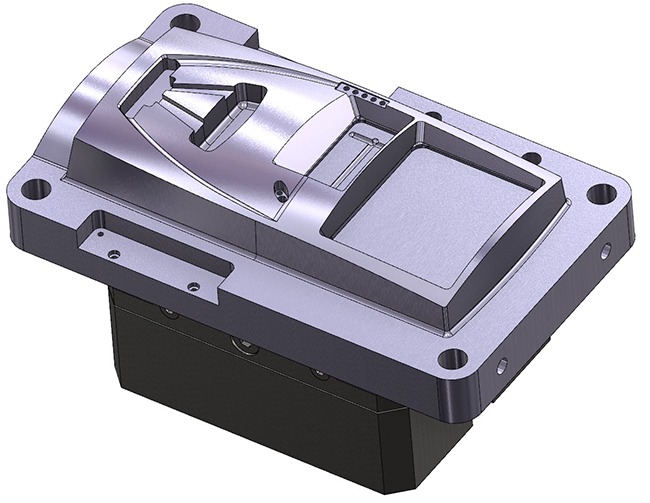
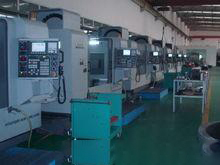
Gia công CNC các chi tiết hợp kim nhôm là một trong những quy trình sản xuất chính xác được áp dụng rộng rãi nhất trong các ngành công nghiệp trên toàn cầu. Nhờ kết hợp khả năng gia công vượt trội, độ bền cao trong khi trọng lượng nhẹ, hiệu quả về chi phí và các tùy chọn hoàn thiện đa dạng, hợp kim nhôm mang lại các linh kiện có hiệu suất cao và ổn định, từ giai đoạn chế tạo mẫu đến sản xuất hàng loạt. Hướng dẫn này bao quát mọi thông tin bạn cần biết về gia công CNC hợp kim nhôm, bao gồm tính chất vật liệu, các loại hợp kim, dụng cụ gia công, quy trình, ứng dụng, ưu điểm và các giải pháp chuyên nghiệp từ HLW.
Gia công CNC các chi tiết hợp kim nhôm là gì?
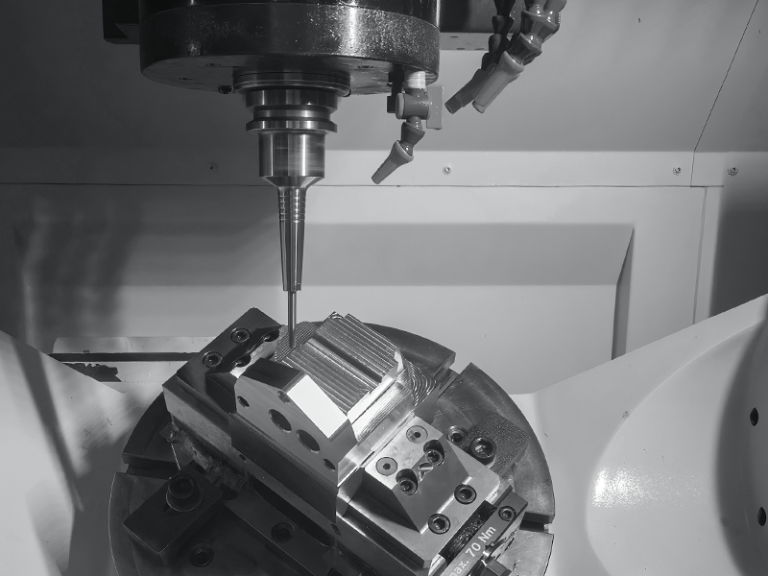
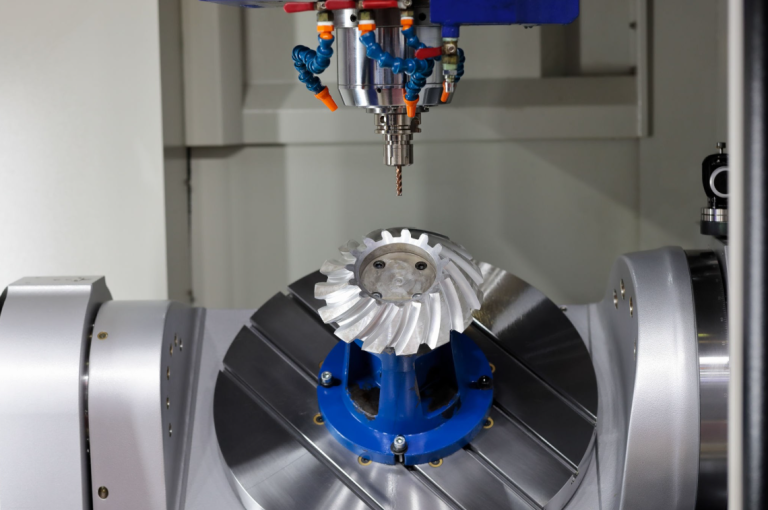
Gia công CNC (Điều khiển số bằng máy tính) là một công nghệ chế tạo trừ đi, sử dụng phần mềm máy tính được lập trình sẵn để điều khiển các máy công cụ đa trục, loại bỏ vật liệu khỏi các phôi nhôm nguyên khối nhằm tạo ra các chi tiết chính xác và phức tạp. Công nghệ này hỗ trợ cả các thao tác tiện và phay, khiến nó trở thành lựa chọn lý tưởng cho các chi tiết gia công theo yêu cầu, các lô sản xuất số lượng ít và sản xuất quy mô lớn.
Những đặc tính vật lý và cơ học độc đáo của nhôm khiến nó trở thành lựa chọn hàng đầu trong gia công CNC so với thép, thép không gỉ, titan và các kim loại khác. Nhôm kết hợp được độ mềm dẻo cần thiết cho quá trình cắt nhanh với độ ổn định cấu trúc đảm bảo độ bền trong thực tế, rất lý tưởng cho các chi tiết có độ chính xác cao trong các ngành hàng không vũ trụ, ô tô, điện tử, y tế và thiết bị công nghiệp.
Các đặc tính chính của hợp kim nhôm trong gia công CNC
Nhôm sở hữu sự kết hợp vô song của các đặc tính lý tưởng cho gia công chính xác:
- Nhẹ với tỷ lệ cường độ trên trọng lượng vượt trội
- Độ dẫn nhiệt và dẫn điện cao
- Khả năng chống ăn mòn tự nhiên nhờ lớp oxit tự hình thành
- Độ dẻo và độ uốn dẻo tuyệt vời
- Không độc hại và ổn định về mặt hóa học
- Dễ dàng xử lý anot, đánh bóng, phun cát hoặc sơn phủ
- Hoàn toàn có thể tái chế và thân thiện với môi trường
- Nguyên liệu có chi phí hợp lý và chu kỳ gia công nhanh
Các loại hợp kim nhôm hàng đầu dùng trong gia công CNC
Tất cả các loại thép đều có khả năng gia công cao, nhưng mỗi loại lại đáp ứng những yêu cầu cụ thể về hiệu suất:
1. Nhôm 2011
- Hợp kim nhôm dễ gia công nhất (“mềm như bơ”)
- Khả năng chống ăn mòn thấp; cần phải xử lý bề mặt bằng phương pháp anot hóa
- Dùng cho các chi tiết thông thường cần cắt mịn
2. Nhôm 2024
- Độ bền cao và khả năng chống mỏi
- Được ưa chuộng cho các bộ phận kết cấu trong ngành hàng không vũ trụ và quân sự
- Khả năng hàn kém; khả năng chống ăn mòn thấp
3. Nhôm 5052
- Khả năng chống ăn mòn xuất sắc
- Mềm dẻo và dễ uốn; lý tưởng cho các ứng dụng hàng hải
- Thích hợp để gia công và chế tạo các bộ phận thông dụng
4. Nhôm 6061
- Vật liệu đa năng với sự cân bằng giữa độ bền, khả năng hàn và độ dẻo dai
- Được sử dụng rộng rãi trong gia công CNC 5 trục, các chi tiết đùn, giá đỡ và khung
- Tổng thể tốt nhất về tính linh hoạt và hiệu quả chi phí
5. Nhôm 6063
- Tương tự như 6061 nhưng mềm hơn và có độ dẻo cao hơn“
- Thường dùng cho các sản phẩm đùn; khó gia công hơn một chút
- Dùng cho các thanh định hình nhẹ và các bộ phận trang trí
6. Nhôm 7075
- Độ bền mỏi vượt trội và độ cứng cao
- Chất lượng hàng không vũ trụ dành cho thân máy bay, cánh máy bay và các bộ phận chịu lực cao
- Không thể hàn; có khả năng chống ăn mòn tốt
Các dụng cụ cần thiết cho gia công CNC nhôm
Để đạt được bề mặt hoàn thiện cao cấp và độ chính xác về kích thước, cần phải sử dụng các dụng cụ chuyên dụng:
Vật liệu dụng cụ cắt
- Chỉ dùng hợp kim cacbua nguyên chất dành cho gia công sản xuất
- Kích thước hạt cacbua lớn hơn + hàm lượng coban thấp để đạt độ sắc bén tối đa
- Giữ được độ sắc bén ở tốc độ cao; giảm mài mòn dụng cụ
Cấu hình sáo
- 3 ống: Tiêu chuẩn ngành (98% ứng dụng)
- Cân bằng giữa độ cứng của dụng cụ và khả năng thoát phoi
- 2 rãnh: Dùng cho các trường hợp lực cắt thấp, dụng cụ dài hoặc cần giảm rung
Góc xoắn ốc
- Góc xoắn cao 35°, 40° hoặc 45°
- Cấu trúc xoắn ốc biến thiên giúp giảm rung lắc và nâng cao tốc độ gia công
Góc thoát
- Phạm vi tối ưu: 6°–10°
- Ngăn chặn hiện tượng dụng cụ bị lún sâu hoặc ma sát quá mức
Thông số kỹ thuật
- Tốc độ cắt: 900–1800 SFM (dụng cụ cacbua)
- Tốc độ quay trục chính cao kết hợp với tốc độ tiến dao đủ lớn để tránh hiện tượng ma sát
- Các chu kỳ nhanh tương tự như quá trình cắt gỗ nhưng có sự kiểm soát thông số chặt chẽ hơn
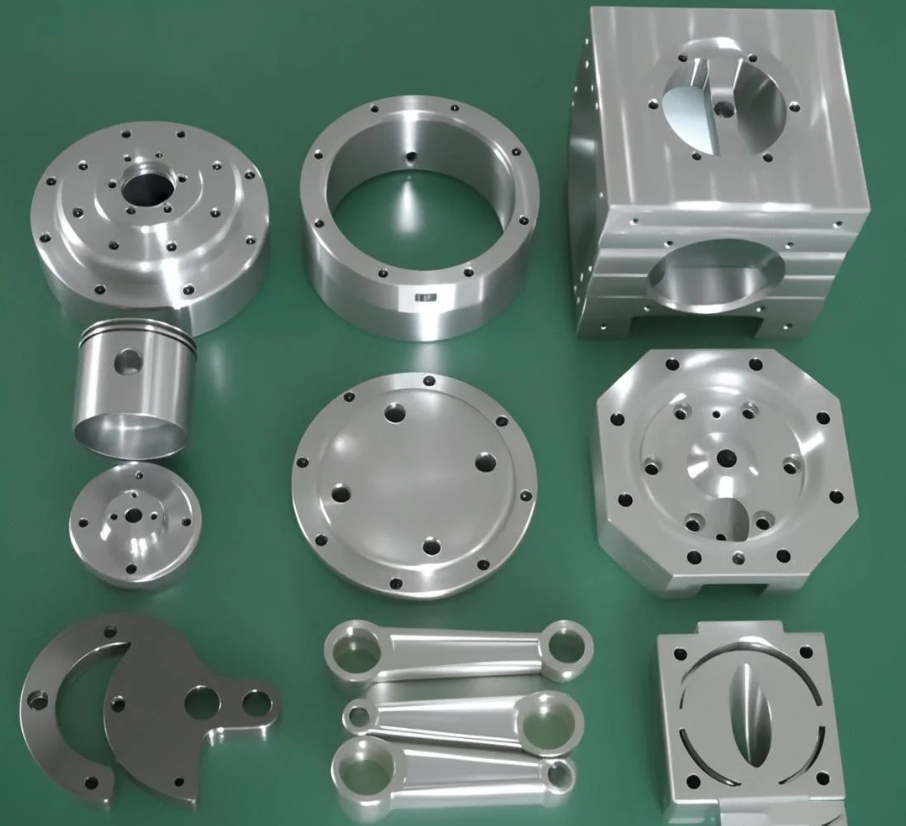
Các quy trình gia công CNC cơ bản cho hợp kim nhôm
1. Gia công tiện CNC
- Chi tiết gia công quay; dao đơn điểm giữ nguyên vị trí
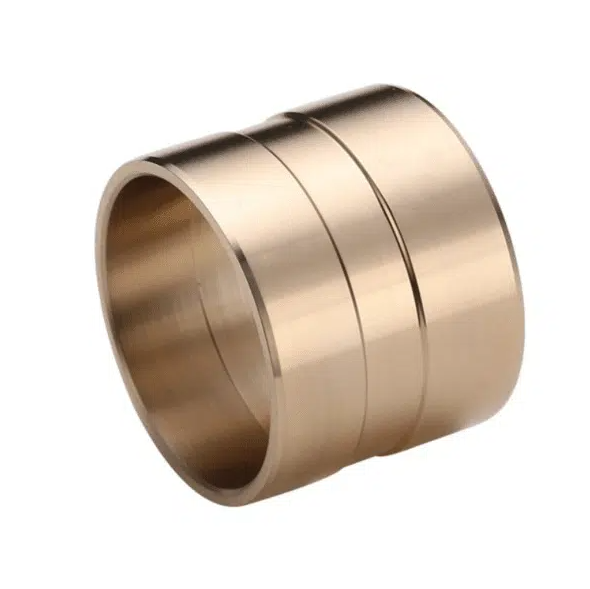
- Tạo các chi tiết hình tròn: trục, chốt, ống lót, ống
- Hỗ trợ các thao tác khoan, tạo ren, tạo rãnh và tạo hình côn
2. Gia công phay CNC
- Dụng cụ quay đa điểm cắt các phôi cố định
- Dùng cho các bề mặt phẳng, các hốc và các đường viền 3D phức tạp
- Cấu hình từ 3 trục đến 5 trục dành cho các chi tiết có độ chính xác cao
3. Gia công tạo rãnh (Phay rãnh)
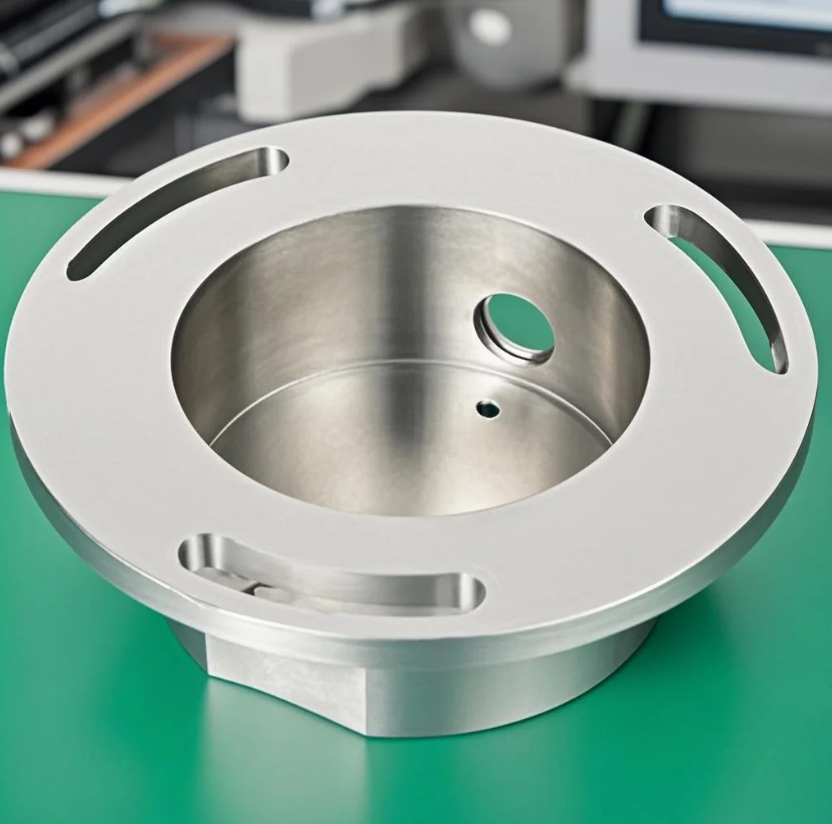
- Máy gia công các khoang rỗng trên các chi tiết nhôm
- Thường được sử dụng cho các vỏ bọc, vỏ máy và cấu trúc bên trong
4. Đối diện
- Tạo ra các bề mặt có mặt cắt ngang phẳng và mịn
- Chuẩn bị các bộ phận để lắp ráp hoặc hoàn thiện
5. Khoan, khoan lỗ, tạo ren
- Khoan các lỗ chính xác; quá trình khoan giúp thu hẹp dung sai
- Việc khoan lỗ tạo ra ren trong
- Yêu cầu sử dụng dụng cụ sắc bén và kiểm soát mạt kim loại đúng cách
Các công nghệ cắt khác
- Cắt plasma CNC: Dành cho các tấm nhôm dày lên đến 6 inch
- Cắt laser CNC: Độ chính xác cao cho tấm mỏng
- Cắt bằng tia nước CNC: Cắt lạnh; không gây biến dạng do nhiệt
Ưu điểm của gia công CNC các chi tiết hợp kim nhôm
- Khả năng gia công xuất sắcCắt nhanh hơn thép (nhanh gấp 3–4 lần); lực cắt nhỏ hơn; tuổi thọ dụng cụ cao hơn.
- Độ chính xác cao & Dung sai chặt chẽĐạt độ chính xác ±0,01 mm; chất lượng lô sản phẩm ổn định.
- Nhẹ và có độ bền caoRất phù hợp cho các ngành công nghiệp chú trọng đến trọng lượng như hàng không vũ trụ và ô tô.
- Hiệu quả chi phíThời gian chu kỳ ngắn hơn; độ mòn dụng cụ thấp hơn; các công đoạn gia công thứ cấp được giảm thiểu.
- Khả năng gia công các hình dạng phức tạpGia công 5 trục được sử dụng để sản xuất cánh quạt, khuôn mẫu và các bộ phận kết cấu.
- Bề mặt hoàn thiện tuyệt vờiCác đường cắt gọn gàng giúp giảm thiểu công đoạn gia công sau; phù hợp với các quy trình anot hóa, sơn tĩnh điện và phun cát.
- Hiệu suất ở nhiệt độ thấpVẫn giữ được các tính chất cơ học trong môi trường nhiệt độ cực thấp.
- Thân thiện với môi trường & Có thể tái chếTỷ lệ sử dụng nguyên liệu cao; có thể tái chế hoàn toàn.
Nhược điểm và những thách thức chính
- Chi phí đầu tư ban đầu cao cho thiết bị CNC
- Yêu cầu kỹ năng lập trình và vận hành thành thạo
- Chi phí cao hơn đối với các bộ phận đơn giản so với các phương pháp truyền thống
- Thời gian gia công dài đối với các chi tiết lớn/phức tạp
- Sự mềm dẻo có thể dẫn đến biến dạng nếu không được cố định đúng cách
- Nguy cơ hàn chip vào dụng cụ nếu không sử dụng chất làm mát phù hợp
Các phương pháp hoàn thiện bề mặt cho các chi tiết nhôm
- Anod hóa loại I (Axit crôm): Lớp bảo vệ mỏng; lớp sơn lót
- Anod hóa loại II (Axit sunfuric): Lớp hoàn thiện bền bỉ, đa dụng
- Anod hóa cứng loại III: Dày, chống mài mòn, thích hợp cho các ứng dụng nặng
- Đánh bóng: Bề mặt phản chiếu như gương
- Phun cát/phun hạt: Bề mặt mờ đồng nhất
- Sơn tĩnh điện: Lớp sơn bền màu
Các ngành công nghiệp chính sử dụng các bộ phận nhôm gia công CNC
- Hàng không vũ trụ: Phụ kiện, các bộ phận thân máy bay, các bộ phận cánh máy bay
- Ngành ô tô: Trục, giá đỡ, hệ thống chiếu sáng, các bộ phận động cơ
- Thiết bị điện tử: Vỏ bảo vệ, bộ tản nhiệt, vỏ chống nhiễu điện từ (EMI)
- Y tế: Thiết bị, dụng cụ, linh kiện chính xác
- Thực phẩm & Dược phẩm: Các thành phần ổn định, không phản ứng
- Thể thao & Hoạt động ngoài trời: Phụ tùng xe đạp, dụng cụ leo núi, móc khóa
- Công nghệ đông lạnh: Các bộ phận kết cấu chịu nhiệt độ thấp
- Điện tử tiêu dùng: Vỏ điện thoại/máy tính xách tay, thiết bị đeo
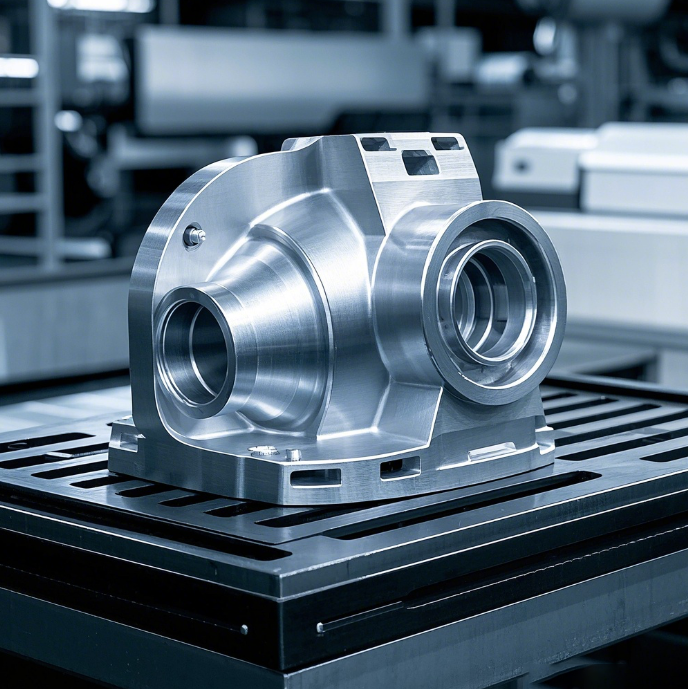
HLW: Đối tác đáng tin cậy của bạn trong lĩnh vực gia công CNC nhôm
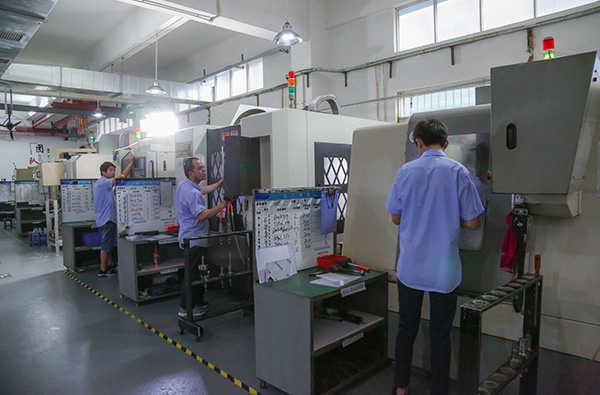
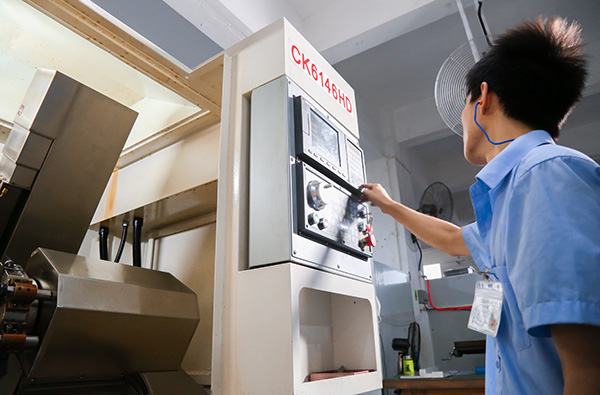
HLW chuyên gia công CNC theo yêu cầu các chi tiết hợp kim nhôm, từ giai đoạn chế tạo mẫu đến sản xuất hàng loạt. Với hệ thống máy CNC 3–5 trục hiện đại, hệ thống dụng cụ gia công chuyên nghiệp, quy trình kiểm soát chất lượng nghiêm ngặt và đội ngũ kỹ sư giàu kinh nghiệm, chúng tôi cung cấp các linh kiện có độ chính xác cao, chất lượng ổn định và giá cả cạnh tranh.
Các dịch vụ của chúng tôi bao gồm:
- Tối ưu hóa thiết kế chi tiết hợp kim nhôm theo yêu cầu
- Gia công toàn bộ quy trình: xoay, xay xát, khoan, tạo ren
- Hoàn thiện bề mặt chuyên nghiệp
- Kiểm tra kích thước nghiêm ngặt
- Thời gian giao hàng nhanh và dịch vụ vận chuyển toàn cầu
Kết luận & Lời kêu gọi hành động
Dịch vụ gia công CNC các chi tiết hợp kim nhôm mang lại giá trị vượt trội về độ chính xác, hiệu quả và hiệu suất cho ngành sản xuất toàn cầu. Dù quý khách cần các bộ phận kết cấu hàng không vũ trụ, các chi tiết nhẹ cho ngành ô tô hay vỏ thiết bị điện tử cao cấp, HLW đều cung cấp các giải pháp trọn gói đáng tin cậy.
Hãy liên hệ với chúng tôi ngay hôm nay để nhận báo giá miễn phí và hỗ trợ kỹ thuật:
- Điện thoại: +86 18664342076
- Email: info@helanwangsf.com
- Trang web: Gửi tệp CAD (STEP/IGES) của bạn để được đánh giá ngay lập tức