CNC Machining of Aluminum Alloy Parts: The Complete Guide for Precision Manufacturing
Introduction
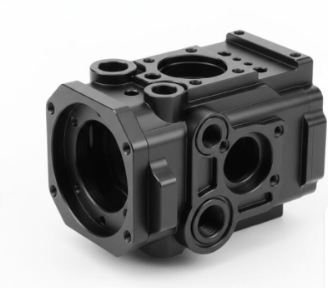
CNC machining of aluminum alloy parts stands as one of the most widely adopted precision manufacturing processes across global industries. Combining exceptional machinability, lightweight strength, cost efficiency, and versatile finishing options, aluminum alloys deliver consistent high-performance components for prototyping to mass production. This guide covers everything you need to know about aluminum CNC machining, including material properties, alloy grades, tooling, processes, applications, advantages, and professional solutions from HLW.
What Is CNC Machining of Aluminum Alloy Parts?
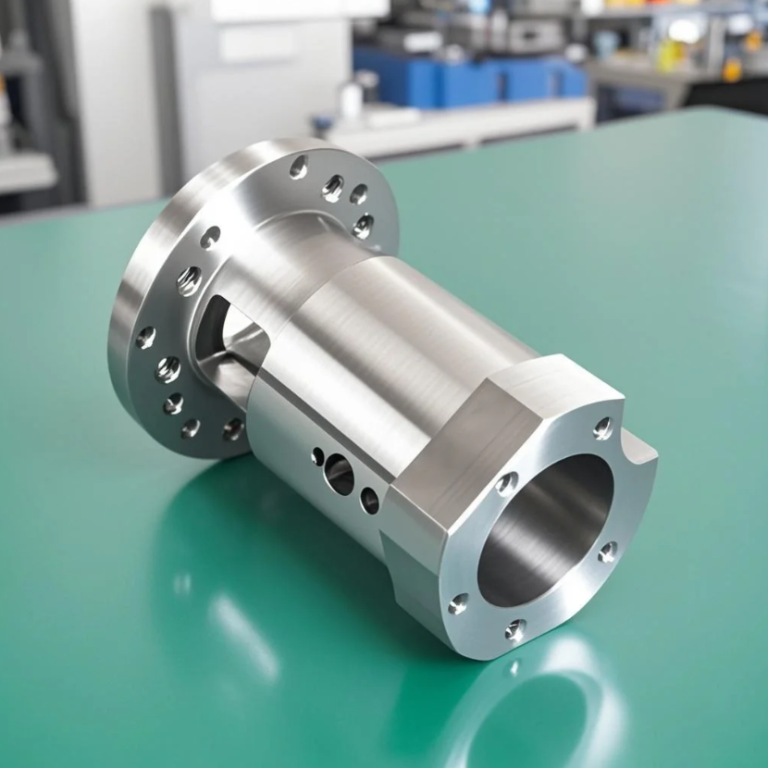
CNC (Computer Numerical Control) machining is a subtractive manufacturing technology that uses pre-programmed computer software to control multi-axis machine tools, removing material from solid aluminum blanks to create precise, complex components. It supports both turning and milling operations, making it ideal for custom parts, low-volume batches, and large-scale production.
Aluminum’s unique physical and mechanical properties make it the top choice for CNC machining compared to steel, stainless steel, titanium, and other metals. It balances softness for fast cutting with structural stability for real‑world durability, ideal for high‑precision parts in aerospace, automotive, electronics, medical, and industrial equipment.
Key Properties of Aluminum Alloys for CNC Machining
Aluminum offers an unbeatable combination of characteristics ideal for precision machining:
- Lightweight with outstanding strength‑to‑weight ratio
- High thermal and electrical conductivity
- Natural corrosion resistance from a self‑forming oxide layer
- Excellent ductility and malleability
- Non‑toxic and chemically stable
- Easy to anodize, polish, blast, or coat
- Fully recyclable and eco‑friendly
- Cost‑effective raw material and fast machining cycles
Top Aluminum Alloy Grades for CNC Machining
All grades offer high machinability, but each serves specific performance needs:
1. 2011 Aluminum
- The most machinable aluminum alloy (“butter‑soft”)
- Low corrosion resistance; requires anodized finishing
- Used for general parts needing smooth cutting
2. 2024 Aluminum
- High strength and fatigue resistance
- Preferred for aerospace and military structural parts
- Poor weldability; low corrosion resistance
3. 5052 Aluminum
- Excellent corrosion resistance
- Soft and formable; ideal for marine applications
- Good for forming and general components
4. 6061 Aluminum
- All‑rounder with balanced strength, weldability, and toughness
- Widely used in 5‑axis CNC machining, extrusions, brackets, frames
- Best overall for versatility and cost efficiency
5. 6063 Aluminum
- Similar to 6061 but softer and “gummier”
- Common for extrusions; slightly more difficult to machine
- Used for lightweight profiles and decorative parts
6. 7075 Aluminum
- Exceptional fatigue strength and high hardness
- Aerospace‑grade for fuselages, wings, high‑stress parts
- Not weldable; good corrosion resistance
Essential Tooling for Aluminum CNC Machining
Achieving premium surface finish and dimensional accuracy requires specialized tooling:
Cutting Tool Material
- Solid carbide only for production machining
- Larger carbide grain size + low cobalt content for maximum edge sharpness
- Maintains sharpness at high speeds; reduces tool wear
Flute Configuration
- 3 flutes: Industry standard (98% of applications)
- Balances tool rigidity and chip evacuation
- 2 flutes: For low cutting forces, long tools, or anti‑vibration needs
Helix Angle
- 35°, 40°, or 45° high helix angles
- Variable helix reduces chatter and improves material removal rate
Clearance Angle
- Optimal range: 6°–10°
- Prevents tool digging or excessive friction
Feeds and Speeds
- Cutting speed: 900–1800 SFM (carbide tools)
- High spindle RPM with sufficient feed rate to avoid rubbing
- Fast cycles similar to wood cutting but with tighter parameter control
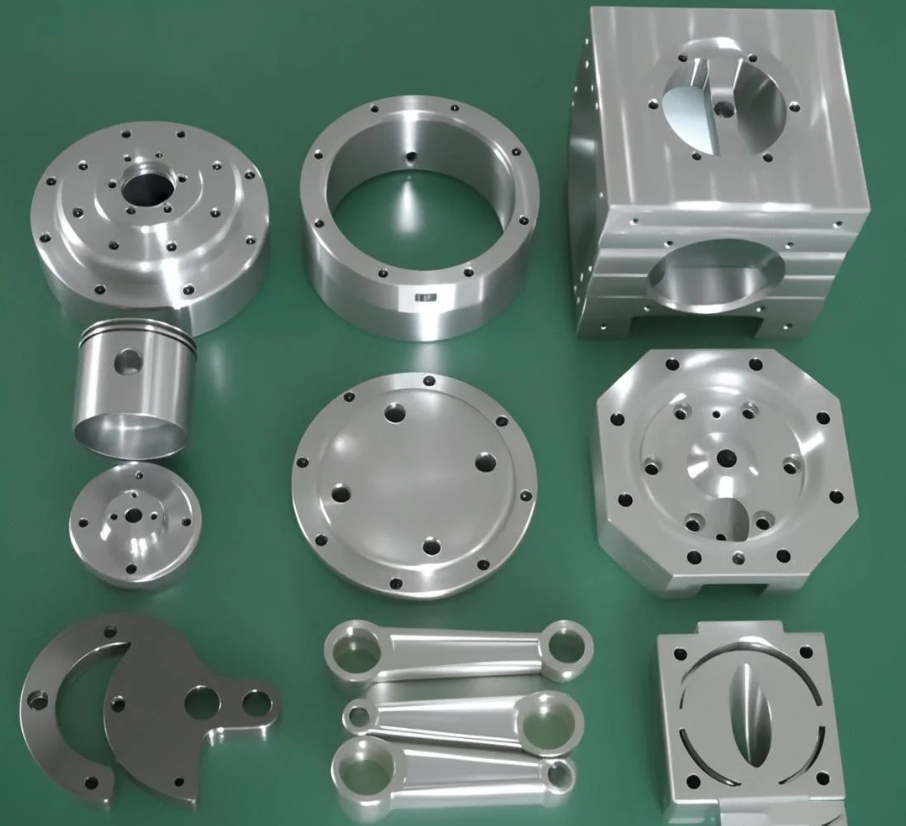
Core CNC Machining Processes for Aluminum Alloys
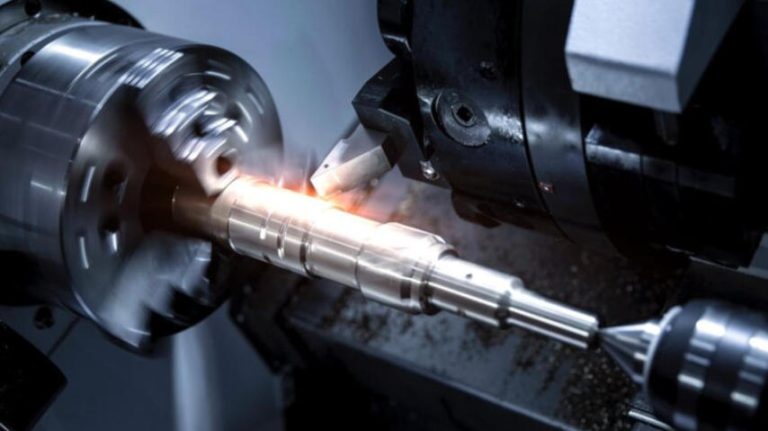
1. CNC Turning
- Workpiece rotates; single‑point tool remains stationary
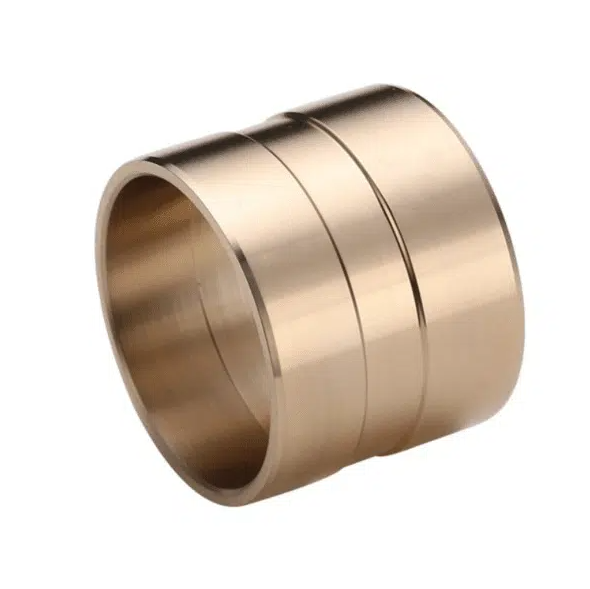
- Creates round parts: shafts, pins, bushings, tubes
- Supports drilling, threading, grooving, tapering
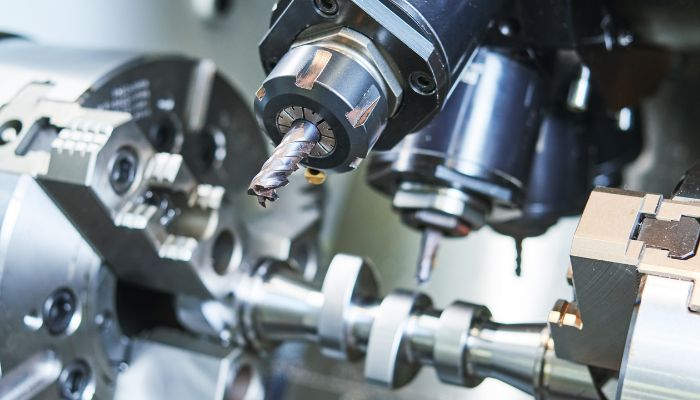
2. CNC Milling
- Multi‑point rotating tool cuts fixed blanks
- Used for flat surfaces, pockets, complex 3D contours
- 3‑axis to 5‑axis configurations for high‑precision parts
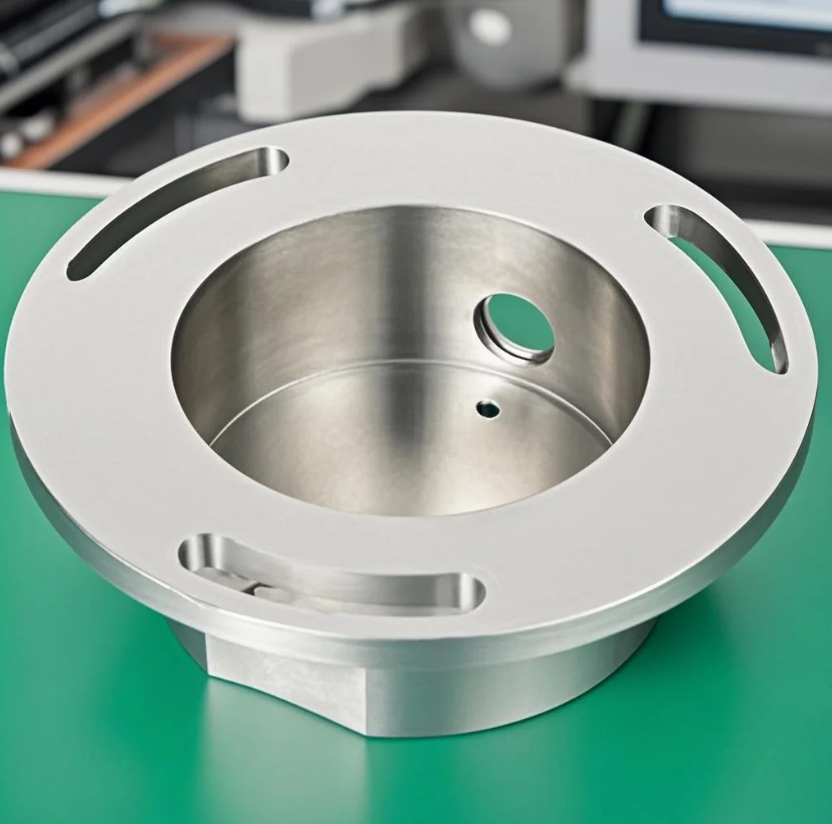
3. Pocketing (Pocket Milling)
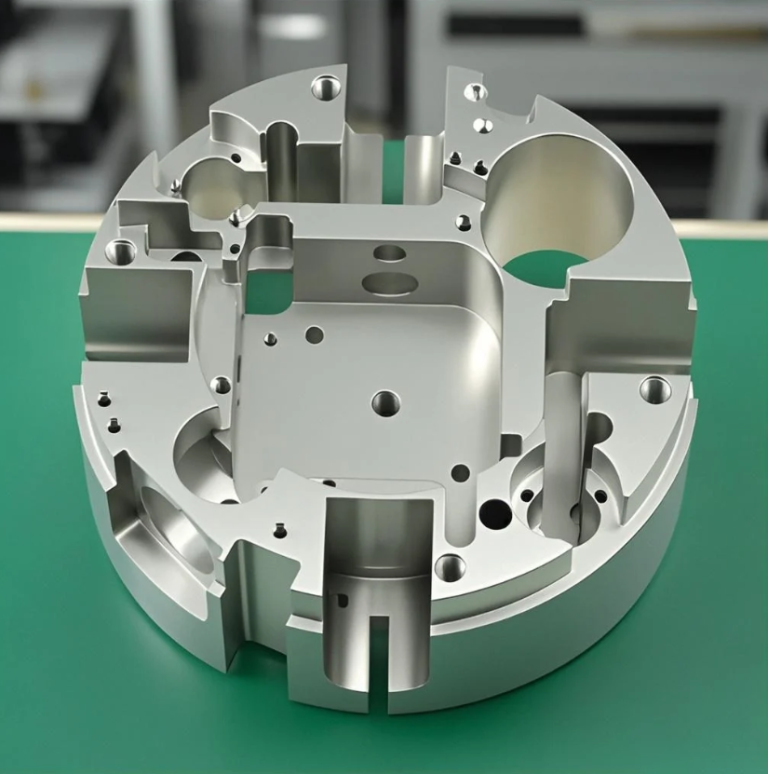
- Machines hollow cavities in aluminum components
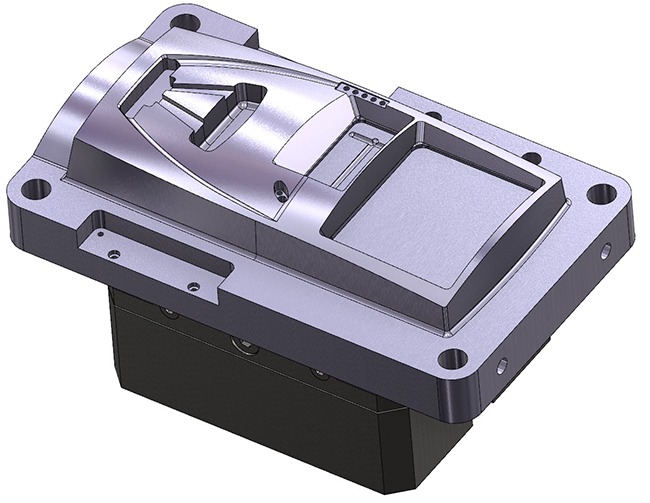
- Common for enclosures, housings, and internal structures
4. Facing
- Creates flat, smooth cross‑section surfaces
- Prepares parts for assembly or finishing
5. Drilling, Boring, Tapping
- Drills precision holes; boring tightens tolerances
- Tapping creates internal threads
- Requires sharp tools and proper chip control
Additional Cutting Technologies
- CNC plasma cutting: For thick aluminum sheets up to 6 inches
- CNC laser cutting: High precision for thin sheets
- CNC water jet cutting: Cold cutting; no heat distortion
Advantages of CNC Machining Aluminum Alloy Parts
- Exceptional MachinabilityFaster cutting than steel (3–4× speed); less cutting force; longer tool life.
- High Precision & Tight TolerancesAchieves ±0.01 mm accuracy; consistent batch quality.
- Lightweight & High StrengthIdeal for weight‑sensitive industries like aerospace and automotive.
- Cost EfficiencyShorter cycle times; lower tool wear; minimal secondary operations.
- Complex Shape Capability5‑axis machining produces impellers, molds, and structural components.
- Excellent Surface FinishClean cuts reduce post‑processing; supports anodizing, powder coating, sandblasting.
- Low‑Temperature PerformanceRetains mechanical properties in cryogenic environments.
- Eco‑Friendly & RecyclableHigh material utilization; fully recyclable.
Disadvantages & Key Challenges
- High upfront CNC equipment investment
- Requires skilled programming and operation
- Higher cost for simple parts vs. conventional methods
- Long cycle times for large/complex components
- Softness can cause deformation with improper fixturing
- Risk of chip welding to tools without proper coolant
Surface Finishing Options for Aluminum Parts
- Type I Anodizing (Chromic Acid): Thin protective layer; primer for painting
- Type II Anodizing (Sulfuric Acid): Durable general‑purpose finish
- Type III Hard Anodizing: Thick, wear‑resistant for heavy‑duty use
- Polishing: Mirror‑like reflective surface
- Bead/Sand Blasting: Uniform matte texture
- Powder Coating: Durable color coating
Major Industries Using CNC Machined Aluminum Parts
- Aerospace: Fittings, fuselage parts, wing components
- Automotive: Shafts, brackets, lighting, engine parts
- Electronics: Housings, heat sinks, EMI enclosures
- Medical: Devices, instruments, precision components
- Food & Pharmaceutical: Stable, non‑reactive components
- Sports & Outdoor: Bicycle parts, climbing gear, carabiners
- Cryogenics: Low‑temperature structural parts
- Consumer Electronics: Phone/laptop casings, wearables
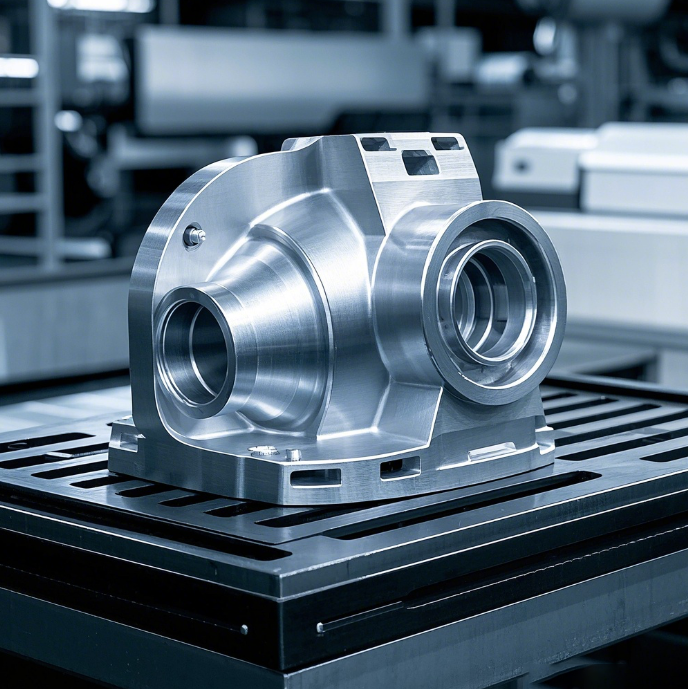
HLW: Your Trusted Partner for Aluminum CNC Machining
HLW specializes in custom CNC machining of aluminum alloy parts from prototype to mass production. With advanced 3–5‑axis CNC machines, professional tooling systems, strict quality control, and experienced engineers, we deliver high‑precision components with stable quality and competitive pricing.
Our services include:
- Custom aluminum alloy part design optimization
- Full‑process machining: turning, milling, drilling, tapping
- Professional surface finishing
- Strict dimensional inspection
- Fast lead times and global shipping
Conclusion & Call to Action
CNC machining of aluminum alloy parts delivers unbeatable value in precision, efficiency, and performance for global manufacturing. Whether you need aerospace structural components, automotive lightweight parts, or high‑end electronic enclosures, HLW provides reliable one‑stop solutions.
Contact us today for a free quote and technical support:
- Phone: +86 18664342076
- Email: info@helanwangsf.com
- Website: Send your CAD files (STEP/IGES) for instant evaluation