Parameters for CNC Machining Stainless Steel: The Complete Expert Guide
Introduction
Stainless steel stands as one of the most widely used engineering materials across aerospace, automotive, medical, food processing, and marine industries, prized for its exceptional corrosion resistance, mechanical strength, and durability. However, CNC machining stainless steel presents unique challenges—including severe work hardening, rapid tool wear, poor heat dissipation, and difficult chip control—making precise parameters for CNC machining stainless steel non-negotiable for consistent quality, extended tool life, and cost-effective production.
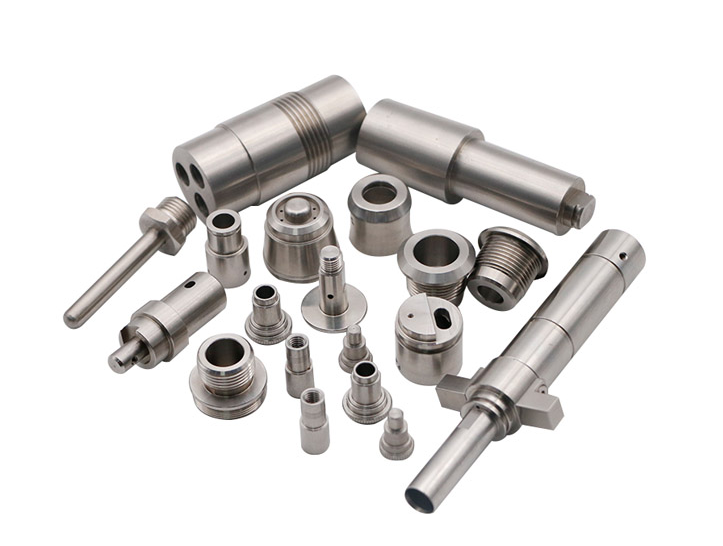
At HLW, we combine decades of machining expertise, data-driven parameter tuning, and advanced CNC equipment to deliver precision stainless steel components with tight tolerances and superior surface finishes. This comprehensive guide breaks down every critical parameter, tooling choice, cooling strategy, and best practice to master stainless steel CNC machining, from material grades to finishing operations.
1. Key Properties of Stainless Steel That Impact Machining Parameters
Stainless steel’s material characteristics directly define optimal cutting parameters, tool selection, and machining strategies. All grades contain a minimum of 10.5% chromium for corrosion resistance, with five primary categories:
1.1 Austenitic Stainless Steel (304, 316, 303)
- Non-magnetic, outstanding corrosion & heat resistance
- Highest work-hardening rate, low thermal conductivity
- Most common for general industrial, food, medical, and aerospace parts
1.2 Ferritic Stainless Steel (430, 446)
- Magnetic, lower corrosion resistance than austenitic
- Better machinability, minimal work hardening
- Used for automotive parts and kitchen appliances
1.3 Martensitic Stainless Steel (416, 420, 440)
- Magnetic, moderate corrosion resistance
- Heat-treatable for high hardness
- Ideal for knives, surgical instruments, and hand tools
1.4 Precipitation Hardened (PH) Stainless Steel (17‑4 PH, 15‑5 PH)
- Highest strength, heat-treatable, excellent corrosion resistance
- Used for critical aerospace components
- Requires conservative machining parameters
1.5 Duplex Stainless Steel (2205, 2304, 2507)
- Mix of austenitic and ferritic properties, extreme toughness
- Applied in water treatment, pressure vessels, and offshore equipment
2. Core Cutting Parameters for CNC Machining Stainless Steel
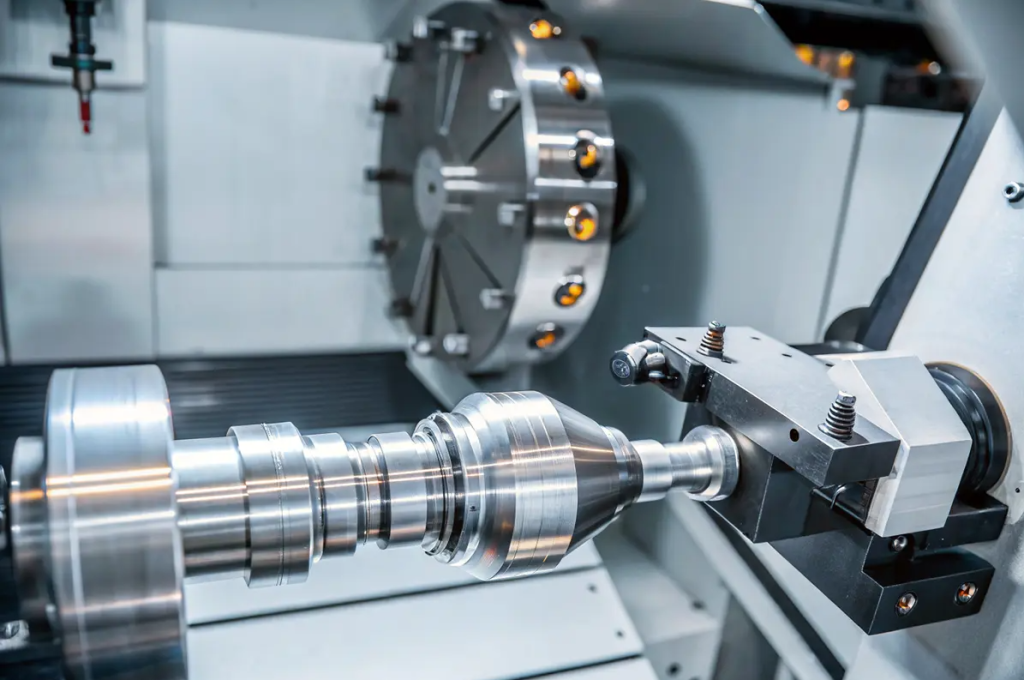
Precision tuning of cutting speed, feed rate, depth of cut, and step-over is the foundation of successful stainless steel machining. Below are industry-proven parameters for the most common grades.
2.1 Cutting Speed (Vc / SFM)
Cutting speed balances heat generation, work hardening, and tool life.
- 303 Stainless Steel: 100–150 m/min (328–492 SFM)
- 304 Stainless Steel: 80–120 m/min (262–394 SFM)
- 316 Stainless Steel: 70–110 m/min (230–361 SFM)
- 17‑4 PH Stainless Steel: 80–160 m/min (262–525 SFM)
Rule of thumb: Reduce speed by 15–20% for heavy cuts or low-rigidity setups to avoid thermal damage and work hardening.
2.2 Feed per Tooth (fz)
Feed rate controls chip formation, surface finish, and cutting forces.
- Roughing: 0.12–0.15 mm/tooth
- Finishing: 0.08–0.10 mm/tooth
- Thin-wall / high-strength grades: 0.05–0.08 mm/tooth
Avoid low feeds that cause rubbing and accelerated work hardening.
2.3 Depth of Cut (DOC)
Separate roughing and finishing to maximize efficiency and stability.
- Roughing: 1.5–4 mm (adjust for tool diameter and rigidity)
- Finishing: 0.1–0.5 mm for dimensional accuracy
- Deep cavities: Layered cutting with gradual DOC reduction
2.4 Step‑Over
- 30–40% of tool diameter for stable cutting
- Prevents excessive tool engagement and vibration
3. Tool Selection & Geometry for Stainless Steel CNC Machining
The right tooling eliminates chatter, reduces wear, and improves chip evacuation.
3.1 Tool Material
- Solid carbide tools (10–12% cobalt content): Preferred for production machining, heat-resistant, 2–3× longer tool life than HSS
- Coated carbide: TiAlN, AlTiN, TiCN coatings for high-temperature wear resistance
- HSS‑Co tools: For low‑speed, low‑volume operations
3.2 Flute Count by Operation
- Roughing: 4–5 flute end mills (higher feed rates with 5-flute)
- Slotting: 4 flute tools (better chip evacuation)
- Finishing: 5–14 flutes, helix angle >40° for smooth surfaces
- HEM (High Efficiency Milling): 5–7 flute chipbreaker roughers
3.3 Critical Tool Geometry
- Positive rake angle: 10–20° to reduce cutting forces
- Relief angle: 8–12° to minimize friction
- Nose radius: 0.2–0.4 mm (finishing), 0.8–1.2 mm (roughing)
- Chipbreaker geometry: Eliminates long, stringy chips
3.4 Tool Holding
- Hydraulic / heat‑shrink tool holders for minimal runout
- Short tool overhang to prevent deflection
- Rigid workholding for thin‑wall parts
4. Cooling & Lubrication Parameters
Stainless steel retains 70–80% of cutting heat, making effective cooling critical.
4.1 Coolant Type
- Semi‑synthetic / synthetic coolants: High heat dissipation, ideal for high‑speed machining
- Water‑soluble oils: 8–15% concentration for heavy cutting
- Straight oils: Maximum lubrication for low‑speed operations
4.2 Coolant Delivery Parameters
- Pressure: 70–100 bar (high‑pressure for drilling / deep cavities)
- Flow rate: 15–20 L/min
- Concentration: 8–12%
- pH level: 8.5–9.5
- Through‑tool coolant: Preferred for deep hole machining
4.3 Cooling Methods
- Flood cooling: General milling / turning
- High‑pressure coolant: Drilling, tapping, tough alloys
- MQL (Minimum Quantity Lubrication): Clean, eco‑friendly for select operations
5. CNC Toolpath Strategies for Stainless Steel
Optimized toolpaths reduce work hardening, vibration, and tool load.
5.1 Climb Milling vs. Conventional Milling
- Climb milling: Default for stainless steel—lower forces, less rubbing, reduced work hardening
- Conventional milling: Only for edge‑critical applications
5.2 Advanced Toolpaths
- Trochoidal / cycloidal milling: Constant chip load, ideal for high‑strength grades
- Arc / helical entry: Avoids tool impact and chipping
- Tangent exit: Eliminates dwell marks on finished surfaces
6. Parameters for Common Stainless Steel Machining Operations
6.1 CNC Turning
- Cutting speed: 120–180 m/min
- Feed rate: 0.1–0.3 mm/rev
- Depth of cut: 1.5–3 mm (roughing), 0.5–1 mm (finishing)
- Positive rake inserts for reduced cutting forces
6.2 CNC Milling
- Cutting speed: 90–110 m/min (304)
- Feed per tooth: 0.05–0.15 mm
- Use variable‑pitch end mills to reduce vibration
6.3 Drilling & Tapping
- Cutting speed: 50–70 m/min
- Peck drilling for holes >3× diameter
- Thread‑forming taps to prevent breakage
- High‑pressure internal coolant
6.4 Grinding & Polishing
- Grinding wheel: Aluminum oxide / CBN
- Surface roughness: Ra 0.4–0.8 μm (standard), Ra ≤0.2 μm (high‑precision)
- Mirror polishing: Ra ≤0.05 μm
7. How to Prevent Work Hardening in Stainless Steel Machining
Work hardening is the top challenge in austenitic stainless steel machining. Follow these parameters:
- Maintain consistent feed rates (avoid light rubbing cuts)
- Use sharp tools with positive rake geometry
- Keep cutting speeds in the optimal range
- Apply high‑pressure coolant to reduce heat
- Use climb milling and continuous cutting paths
- Minimize tool dwell time
8. Quality Control & Precision Parameters
HLW maintains tight tolerances down to ±0.01 mm for stainless steel components with these controls:
- In‑process inspection every 10 parts
- 100% final inspection with CMM
- Surface roughness testing (Ra)
- Real‑time tool wear monitoring
- Workshop temperature control: 20°C ±1°C
9. Cost Optimization Parameters for Stainless Steel Machining
Balance quality and efficiency with these proven strategies:
- Optimize cutting parameters to extend tool life by 20–30%
- Use multi‑functional tools to reduce setup time
- Nest parts to minimize material waste
- Implement lean manufacturing and OEE monitoring
- Predictive tool change schedules
Conclusion & Call to Action
Mastering parameters for CNC machining stainless steel is the key to eliminating tool wear, reducing scrap, and producing high‑precision components that meet global industry standards. At HLW, we customize every parameter—from cutting speed and tooling to cooling and toolpaths—based on your stainless steel grade, part geometry, and application requirements.
Whether you need precision parts for aerospace, medical, food processing, or marine use, our expert team delivers consistent quality, on‑time delivery, and cost‑effective solutions. Contact HLW today to discuss your stainless steel CNC machining project, get a free quote, or request custom parameter optimization for your components.
📞 Phone: +86 18664342076
📧 Email: info@helanwangsf.com
🌐 HLW – Your Trusted Partner for Precision Stainless Steel CNC Machining