How Much Does It Cost to CNC Machining Aluminum Parts
Introduction
For global buyers sourcing precision custom parts, How Much Does It Cost to CNC Machining Aluminum Parts is one of the most critical questions to answer before launching production. Aluminum CNC machining stands out as the top choice for prototyping, small-batch, and mass production due to its unbeatable machinability, cost efficiency, and material performance. This definitive guide breaks down every cost component, key pricing factors, cost-saving tactics, and industry benchmarks to help you budget accurately and avoid overpaying for high-quality aluminum CNC machined parts. At HLW, we deliver transparent pricing, fast quotes, and premium CNC machining services for aluminum parts tailored to global clients.
What Is Aluminum CNC Machining & Why It’s a Cost-Effective Choice
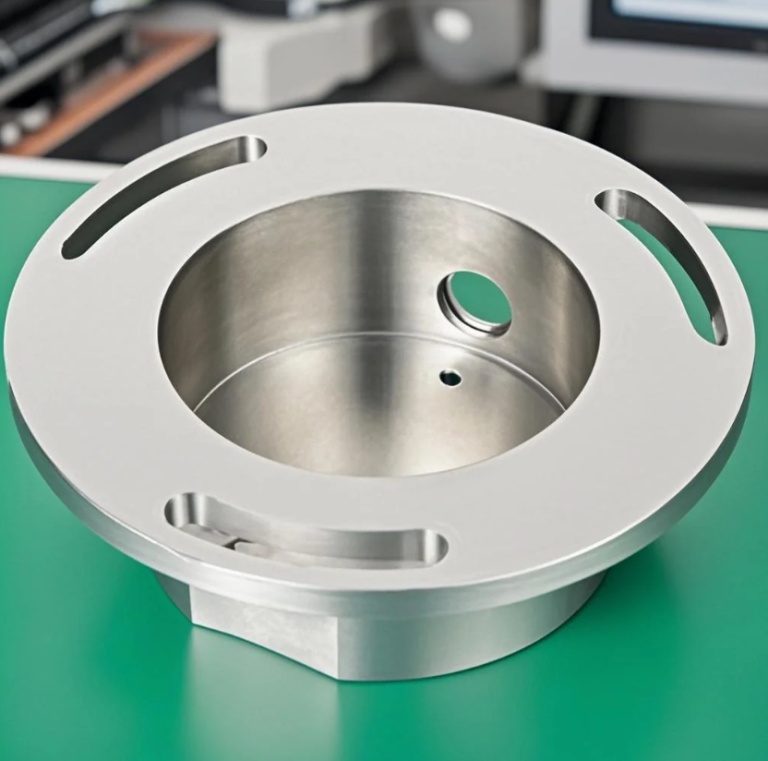
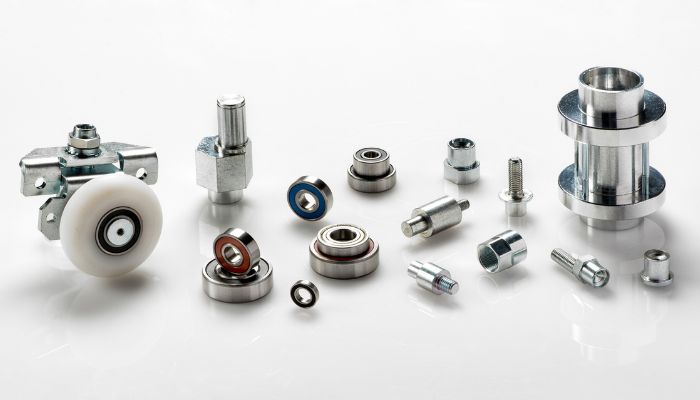
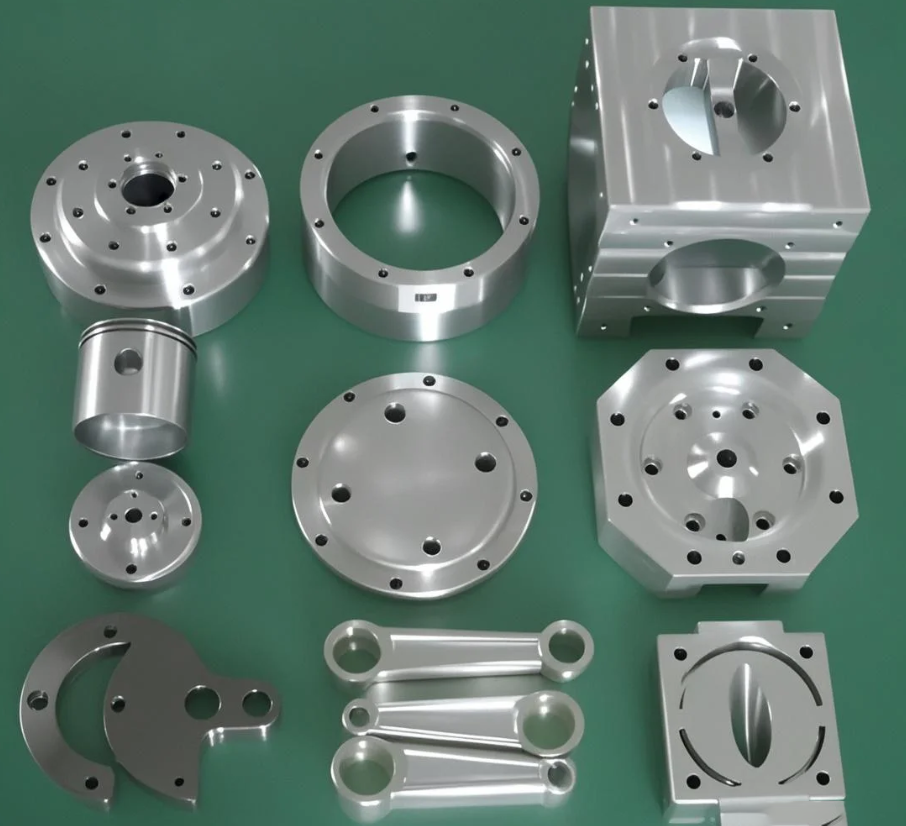
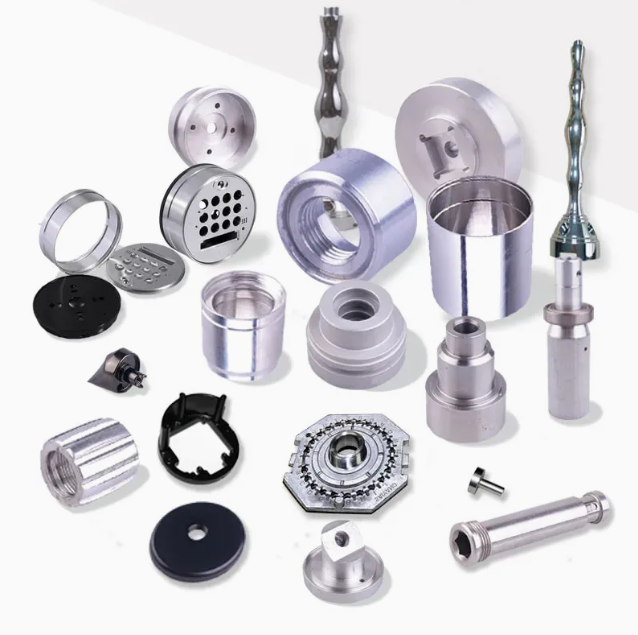
Aluminum CNC machining is a subtractive manufacturing process that uses computer-controlled machines to mill, turn, drill, and tap aluminum workpieces into precise custom parts. It is widely recognized as the most cost-effective precision metal machining solution for industrial, automotive, aerospace, electronics, and medical applications.
Core Advantages of Aluminum for CNC Machining
- Faster machining speed: Cuts 3–4× faster than steel and 5–7× faster than titanium, slashing cycle time.
- Lower tool wear: Requires only 30% of the cutting force of steel, extending tool life and reducing downtime.
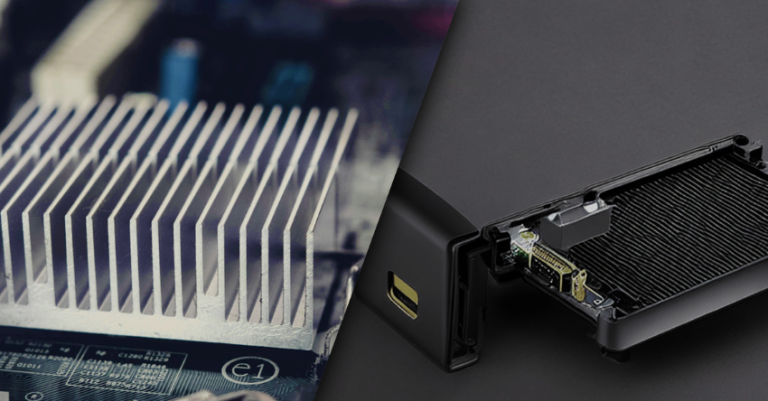
- Excellent thermal conductivity: Dissipates heat efficiently for stable dimensional accuracy.
- Superior material properties: Lightweight, corrosion-resistant, high strength-to-weight ratio, recyclable, and electrically conductive.
- Wide alloy availability: Versatile grades fit prototyping and large-scale production with minimal cost fluctuations.
Full Cost Breakdown of Aluminum CNC Machining
The total cost of aluminum CNC machined parts ranges from $30 to $500 per part, with machining rates falling between $0.50–$3.00 per minute or $30–$150 per hour. Costs are split into four fixed and variable components:
Setup & Programming Costs
Setup covers CNC programming, fixture design, tool loading, and first-article inspection, costing $50–$200 per hour. This accounts for 10–30% of total costs and has the biggest impact on low-volume orders.
Machining Time Costs
Machining time is the largest cost driver, making up 30–50% of total expenses. Hourly rates vary by machine type:
- 3-axis machines: $20–$30/hour (ideal for simple parts)
- 4-axis machines: $30–$45/hour (for cylindrical/moderately complex parts)
- 5-axis machines: $40–$60/hour (for complex, multi-face geometries)
Raw Material Costs
Aluminum raw material costs $2–$6 per pound, accounting for 15–25% of total costs. Standard 6″×6″×1″ blocks cost ~$25 for 6061-T6 and ~$80 for 7075-T6. Material waste (chips, stock allowance) adds hidden costs for oversized blanks.
Post-Machining & Finishing Costs
Secondary processes (anodizing, sandblasting, polishing, inspection) add 5–20% to total costs, enhancing corrosion resistance, appearance, and part durability.
Key Factors That Determine Aluminum CNC Machining Costs
Pricing is not random—it is driven by measurable, controllable factors that directly impact your final quote.
Aluminum Alloy Selection
- 6061-T6: Best balance of cost, machinability, and versatility for general parts.
- 7075-T6: High-strength aerospace grade, 2–3× more expensive, slower machining, higher tool wear.
- 2024, 5052, 6063: Specialized grades for marine, architectural, and structural applications with varying costs.
Part Complexity & Design Features
Complexity is the single largest cost factor, responsible for 30–60% of total costs:
- Thin walls (<0.8mm): +40–70% cost due to vibration and slow cutting.
- Deep pockets (depth >4× width): +30–60% cost from specialized tooling.
- Small internal radii (<1mm): +20–40% cost from small-diameter cutters.
- Intricate contours: Require multi-axis machining and longer cycle times.
Machining Accuracy & Tolerance Requirements
Standard tolerance: ±0.005” (no extra cost)
Precision tolerance: ±0.001” (+30–50% cost)
Ultra-precision tolerance: <±0.0005” (doubles/triples feature cost)
Tight tolerances require slower feeds, multiple passes, and advanced inspection.
Production Volume & Batch Size
Volume directly dilutes fixed setup costs:
- 1–10 pcs (prototypes): Setup costs = 40–60% of unit price.
- 50–100+ pcs (small production): Setup costs = 5–15% of unit price.
- 100+ pcs (mass production): Bulk material discounts, optimized toolpaths, and multi-part fixtures cut unit cost by 30–70%.
CNC Machine Type
3-axis machines are cheapest for simple parts; 5-axis machines cost more hourly but reduce total cost for complex parts by cutting setups and cycle time by 30–50%.
Wall Thickness Limitations
- Minimum wall thickness: 0.5–0.8mm (7075-T6 reaches 0.5mm; 6061-T6 needs 0.8mm to avoid vibration).
- Maximum wall thickness: Limited only by machine capacity (standard mills handle up to 300mm/12in).
Aluminum CNC Machining Cost vs. Other Metals & Materials
Aluminum is the most economical metal to CNC machine in real-world production:
- Machining cost: 2.5–3.5× lower than steel, 5–7× lower than titanium.
- Total ownership cost: Lower than brass, stainless steel, and many engineering plastics for precision parts.
- Key advantage: Faster material removal, lower energy use, and simpler fixturing offset slightly higher raw material costs vs. mild steel.
Proven Strategies to Reduce Aluminum CNC Machining Costs
You can cut costs by 20–50% without sacrificing quality with these engineering best practices:
- Optimize part design: Use standard drill sizes, increase corner radii, avoid deep pockets, and simplify non-critical features.
- Apply tight tolerances only where needed: Restrict precision tolerances to 20–30% of critical mating surfaces.
- Choose 6061-T6 aluminum: Use high-strength alloys like 7075-T6 only when structurally necessary.
- Minimize setups: Design parts for single-setup machining to save 10–20% of total cost.
- Plan batch sizes strategically: Produce 50–100 parts instead of 5–10 to amortize setup costs.
Frequently Asked Questions (FAQs)
Is Aluminum Easy to CNC Machine?
Yes. Aluminum’s low hardness and high thermal conductivity make it one of the easiest metals to CNC machine, with 30–50% less tool wear than steel.
What Is the Cheapest Aluminum Alloy for CNC Machining?
6061-T6 is the most cost-effective, balancing price, machinability, and performance.
What Is the Minimum Wall Thickness for Aluminum CNC Machining?
0.5mm for 7075-T6 and 0.8mm for 6061-T6; thinner walls cause chatter and dimensional errors.
How Much Does 1kg of Aluminum Cost for CNC Machining?
Raw aluminum costs $2–$6 per kg, representing less than 25% of total machining cost.
Conclusion & Get Your Custom Quote from HLW
Aluminum CNC machining costs depend on machining time, setup, tolerances, material, and production volume. With aluminum’s superior machinability and smart design optimization, you can achieve high-precision parts at a competitive cost.
HLW is a trusted global supplier of custom aluminum CNC machining services, offering free DFM analysis, 2-hour fast quotes, and flexible production from prototypes to mass production. Our expert team optimizes toolpaths, fixturing, and batch planning to deliver the best price-performance ratio for your parts.
Contact HLW for Aluminum CNC Machining Services
Get your transparent, no-obligation quote today!
- Phone: +86 18664342076
- Email: info@helanwangsf.com
- Upload your 3D CAD file for instant pricing and professional engineering support.