
Plastic CNC machining is a precision-driven manufacturing process that utilizes computer-controlled tools to shape plastic components with exceptional accuracy, catering to both prototype development and full-scale production needs. Unlike metal machining, this process requires specialized knowledge of plastic properties—such as feed rates, thermal expansion, and chip removal—to avoid issues like cracking, melting, or warping. As a versatile and cost-effective solution, it has become indispensable across numerous industries, offering a unique blend of flexibility, precision, and scalability that sets it apart from other manufacturing methods like injection molding and 3D printing.
Core Processes and Equipment
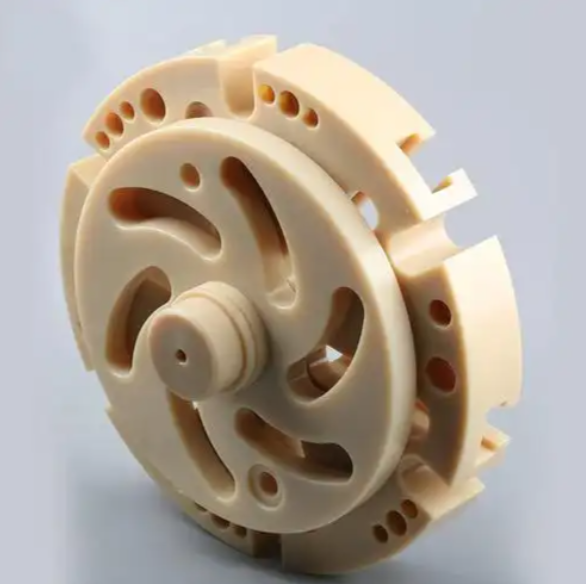
HLW leverages advanced CNC technology to deliver comprehensive plastic machining and fabrication services. The core equipment includes 3-axis, 4-axis, and 5-axis CNC routers, milling machines, lathes, machining centers, computerized production saws, and die-cutting tools. These machines are capable of handling a wide range of operations, including cutting, bending, welding, drilling, tapping, planning, mechanical fastening, adhesive bonding, sanding, grinding, punching, and tooling. The 3 and 5-axis routing capabilities are particularly valuable for producing complex 3D geometries and challenging designs without the need for specialized tooling, while Master Cam Software and CAD/CAM support translate part math data into precise programming, reducing lead times and ensuring consistency. HLW’s equipment can process plastic stock as thin as 0.030 inches and as thick as 4 inches, with CNC router cutting capacity for parts up to 60” x 120” x 3 ½” thick and saw cutting up to 102”.
Machinable Plastic Materials
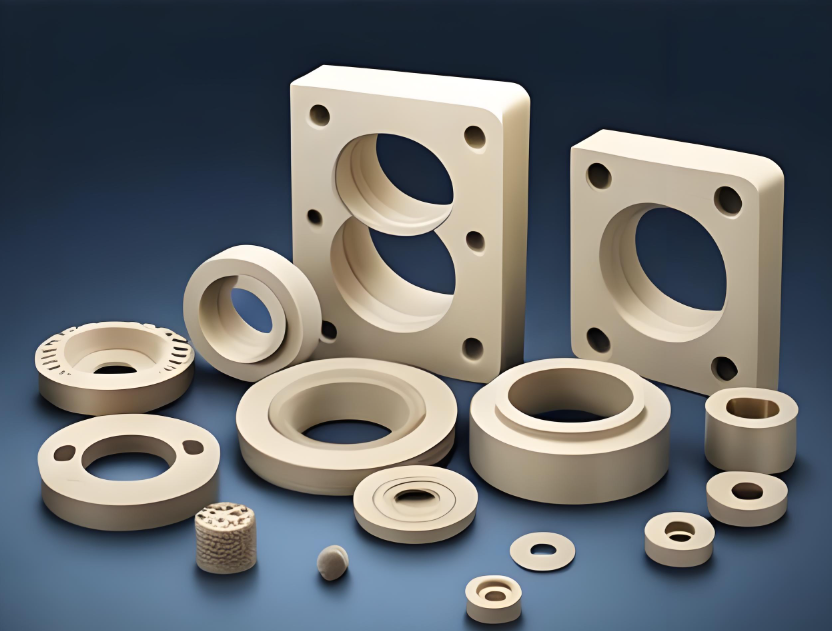
A diverse range of plastics is compatible with CNC machining, each offering unique properties to suit specific applications. HLW specializes in both commodity and engineering-grade plastics, including:
- ABS (Acrylonitrile Butadiene Styrene): A low-cost, versatile option with good impact strength, dimensional stability, and ease of machining—ideal for prototypes, electronics enclosures, and household appliances.
- Nylon (including Nylon 6, Nylon 6/6, and glass-filled variants): Known for excellent wear resistance, mechanical strength, chemical resistance, and rigidity, suitable for moving parts, medical devices, and automotive components.
- Acrylic (PMMA): A transparent, rigid plastic with UV stability, often used as a lightweight substitute for glass in optical lenses, display covers, and light pipes.
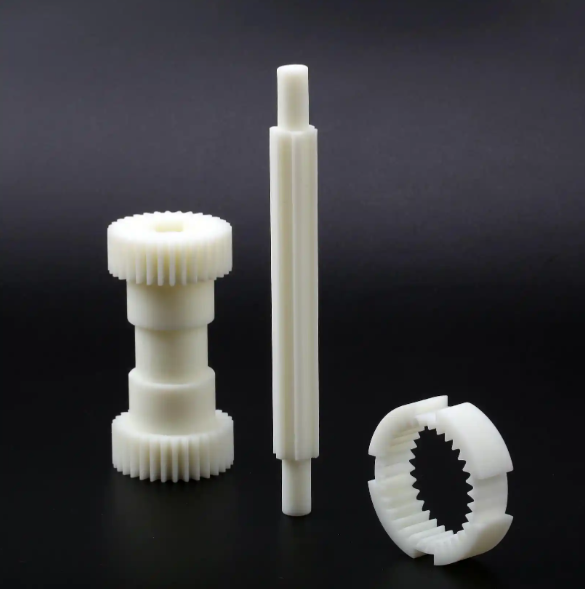
- Delrin (POM/Acetal): Offers high stiffness, low friction, dimensional accuracy, and resistance to moisture and chemicals—perfect for gears, bearings, and fasteners.
- HDPE (High-Density Polyethylene): Impact-resistant, chemically resistant, and lightweight, used in fluid handling applications like tanks, pipes, and seals.
- Polycarbonate (PC): Boasts exceptional impact strength and transparency, 250x more impact-resistant than glass, making it suitable for safety glasses, bulletproof glass, and electronic device housings.
- High-performance plastics: Including PEEK, PTFE (Teflon), PEI (Ultem®), CPVC, LDPE, PET, PSU, PPSU, and electrically conductive/static dissipative plastics. These materials excel in extreme conditions, offering thermal stability, chemical resistance, biocompatibility, and low friction for applications in medical devices, aerospace components, and chemical processing systems.
Key material properties—such as tensile strength, impact strength, and heat deflection temperature—vary by type. For example, PEEK has a tensile strength of 14,000 psi and heat deflection up to 482°F, while HDPE offers impact resistance with a tensile strength of 4,600 psi. Rigidity is a critical factor for machinability: plastics with a Shore D hardness of 50 or higher (e.g., ABS, PC, POM) are readily machinable, while flexible plastics like TPU require a minimum Shore A hardness of 70.
Advantages of Plastic CNC Machining
Plastic CNC machining offers numerous benefits that make it a preferred choice for engineers and product teams:
- Precision and Complexity: Capable of achieving tight tolerances and intricate geometries, even for complex 3D designs, ensuring consistent quality and material integrity.
- Speed and Scalability: Fast turnaround times for both one-off prototypes and high-volume production runs, with no expensive tooling required (unlike injection molding), making it cost-effective for small batches.
- Versatility: Compatible with a wide range of plastics and post-processing options, adapting to diverse application needs.
- Cost-Efficiency: Reduces waste through precise material removal, eliminates tooling costs for short runs, and offers competitive pricing via scalable production capabilities.
- Material Benefits: Plastics are lightweight (with densities as low as 2.2 g/cm³ for PTFE), corrosion-resistant, electrically insulating, thermally insulating, and often recyclable, providing functional advantages over metals.
Compared to alternative methods, CNC machining outperforms injection molding for small-scale production (avoiding high tooling costs) and offers greater precision than 3D printing, while maintaining design flexibility. It also supports rapid iteration for prototypes, allowing for quick adjustments before full production.
Applications Across Industries
The combination of plastic properties and CNC machining precision enables applications in virtually every sector:
- Moving and Load-Bearing Components: Gears, bushings, bearings, and conveyor guides (using Nylon, POM, HDPE) benefit from wear resistance and low friction.
- Medical Devices: Biocompatible plastics like PEEK and medical-grade silicones are used for prosthetics, implants, surgical tools, and equipment—leveraging customizability and durability.
- Electrical Components: Cable glands, PCB enclosures, and couplings rely on plastics’ electrical insulation properties to ensure safe operation.
- Fluid Control Systems: Valve bodies, pump impellers, manifolds, and seals (made from PVC, PTFE, PEEK) offer chemical resistance and leak prevention.
- Protective Parts: Helmets, sports guards, and rugged housings (using PC and ABS) utilize high impact resistance and weatherability.
- Transparent Components: Optical lenses, display covers, and machine guards (from acrylic and PC) provide clarity and durability.
- Chemical and Marine Environments: Impellers, gears, and fluid handling parts made from chemical-resistant plastics withstand harsh conditions.
Post-Processing Options
To enhance functionality and aesthetics, HLW offers a range of post-processing services for CNC-machined plastic parts:
- Sanding and Polishing: Removes burrs, tool marks, and imperfections, creating smooth or high-gloss finishes—critical for transparent parts.
- Bead Blasting: Produces a uniform matte surface, improving grip and aesthetics while deburring.
- Vapour Polishing: Uses solvent vapors (e.g., acetone) to smooth surfaces and enhance optical clarity for transparent plastics.
- Annealing: Relieves internal stresses from machining, reducing warping and improving dimensional stability.
- Colouring and Coating: Painting, dyeing, or applying functional coatings (e.g., PTFE) to enhance protection, UV resistance, or wear resistance.
- Marking and Texturing: Silk-screening, pad printing, or laser etching for logos, serial numbers, or textured surfaces.
- Plating and Metallisation: Electroless nickel, chrome, or gold plating to improve functionality or aesthetics.
- Assembly: Adhesive bonding, welding, screwing, and thread tapping to complete finished products.
Quality, Compliance, and Challenges
HLW prioritizes quality at every stage, from material inspection to final delivery. Strict quality control standards are enforced, with calibrated measurement tools verifying dimensional accuracy. The process adheres to certifications like ISO 9001:2015, AS9100D, and ITAR, ensuring reliability for critical applications.
Despite its advantages, plastic CNC machining presents unique challenges that HLW addresses through expertise and specialized practices:
- Tool Wear and Gumming: Abrasive plastics (e.g., glass-filled variants) can wear tools, while some polymers cause material build-up—mitigated by using hard, scratch-resistant tools and regular maintenance.
- Thermal Expansion: Plastics expand/contract with temperature changes; cooling fluids or compressed air regulate heat to maintain tolerances.
- Chip Management: Long, stringy chips (common in plastics) are removed via air blowers or vacuums to prevent clogging.
- Vibration and Flexibility: Plastics’ flexibility can cause vibration—optimized workholding and adjusted cutting speeds ensure accuracy.
- Design Considerations: Minimum wall thickness (1.5 mm recommended), avoiding overly tight tolerances, reinforcing thin features, and accounting for material-specific properties (e.g., brittleness in acrylic) prevent defects.
Choose HLW for Your Plastic CNC Machining Needs
HLW is your one-stop shop for plastic CNC machining, combining state-of-the-art equipment, deep material expertise, and scalable services. Whether you need a single prototype or full production run, HLW delivers:
- Fast turnaround times without compromising quality.
- In-house engineering support for design and material selection.
- Comprehensive services from machining to assembly and post-processing.
- Compliance with global quality standards.
- Access to over 50 industrial-grade plastics and custom material options.
Ready to get started? Contact HLW today to discuss your custom plastic needs, receive a tailored quote, and benefit from quick lead times—with results you can trust.
Phone: 18664342076
Email: info@helanwangsf.com