CNC Machining of Kitchenware Accessories
Tired of dealing with inconsistent quality, delayed deliveries, and unresponsive suppliers for your CNC machined kitchenware accessories? As a procurement manager or engineer, you know that even the smallest flaw in a kitchen handle, bracket, or fitting can ruin your product’s reputation—and your bottom line. This is where CNC Machining of Kitchenware Accessories comes into play, but how do you get it right, and which partner can deliver the precision and reliability you need? Let’s break this down, step by step, with real insights from over a decade in the industry 🔧.
What Exactly Is CNC Machining of Kitchenware Accessories, and Why Does It Matter?
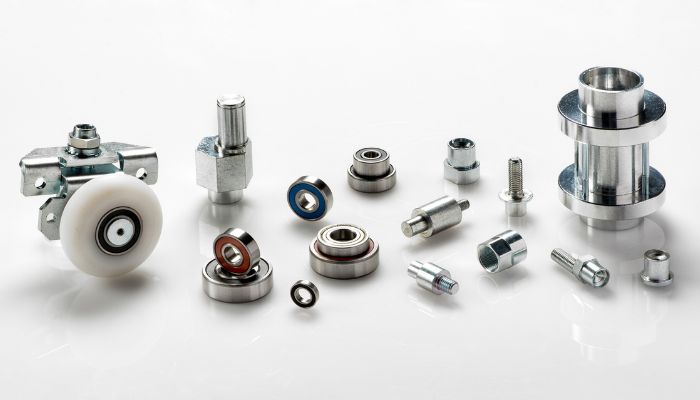
First, let’s answer the core question: CNC (Computer Numerical Control) machining for kitchenware accessories is the process of using computer-programmed tools to cut, shape, and finish metal or plastic components used in kitchen products—think handles for pots and pans, brackets for range hoods, knobs for ovens, and even small fittings for food processors. It’s not just a manufacturing method; it’s the backbone of consistent, high-quality kitchenware that meets safety standards and user expectations.
From my experience, many procurement teams underestimate how much CNC machining impacts their end product. I’ve seen companies opt for cheaper, manual machining only to face returns because handles don’t fit, brackets bend under pressure, or surfaces have rough edges that catch food residue. CNC machining solves this by delivering repeatable precision—down to ±0.005mm tolerance for stainless steel parts —but it’s not perfect. There are nuances, like material selection, that even some experienced engineers miss.
Why does this matter for you? Because your customers (whether they’re home cooks or commercial chefs) judge kitchenware by its feel, durability, and safety. A poorly machined accessory can turn a premium product into a liability—and that’s where a reliable partner like HLW comes in. We specialize in CNC machining for kitchenware accessories, focusing on the details that matter most to procurement managers: quality, consistency, and on-time delivery.
What Materials Are Best for CNC Machined Kitchenware Accessories?
When it comes to CNC machining of kitchenware accessories, material choice is make-or-break—and there’s no one-size-fits-all answer (despite what some suppliers claim). Let’s break down the most common options, their pros, and when to use them:
1. Food-Grade Stainless Steel (304/316)
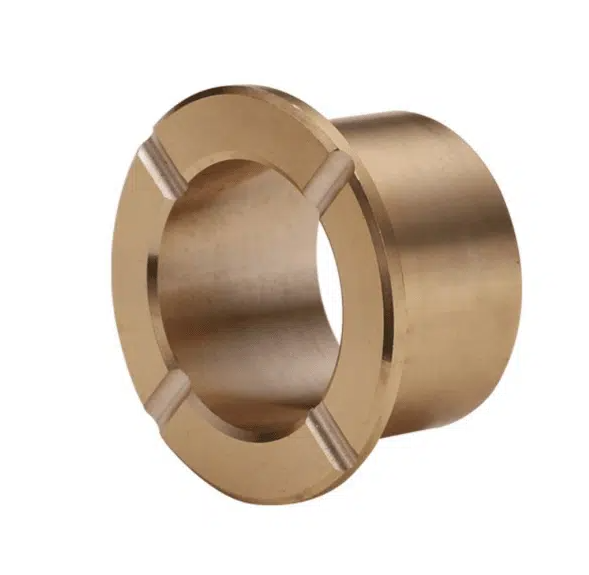
This is the gold standard for most kitchenware accessories, and for good reason. 304 stainless steel is rust-resistant, easy to clean, and meets the GB 4806.9-2016 food safety standard —critical for parts that come into contact with food. 316 stainless steel is even more corrosion-resistant, making it ideal for accessories used in wet environments (like sink fittings or outdoor kitchen tools).
I will say this, though: stainless steel can be tricky to machine. It’s tough, which means it wears down tools faster if not handled properly. Many suppliers cut corners here, using low-quality tools that leave rough surfaces or inconsistent sizes. HLW avoids this by using high-grade carbide tools and optimizing cutting parameters—though I’ll admit, even with the right tools, 316 stainless steel takes a little longer to machine (worth it for the durability, though).
2. Aluminum
Aluminum is lightweight, affordable, and easy to machine—making it a great choice for non-food-contact accessories like oven knobs, range hood brackets, or decorative trims. It’s also a good option if you’re looking to reduce the overall weight of your kitchen product (think portable cookware).
But here’s the catch: aluminum is softer than stainless steel, so it’s not ideal for high-wear parts. I’ve seen procurement managers choose aluminum for handles, only to have them dent or scratch within months of use. If you’re using aluminum, make sure it’s anodized to add durability—something HLW includes as a standard step for all aluminum kitchenware accessories.
What Are the Key CNC Machining Processes for Kitchenware Accessories?
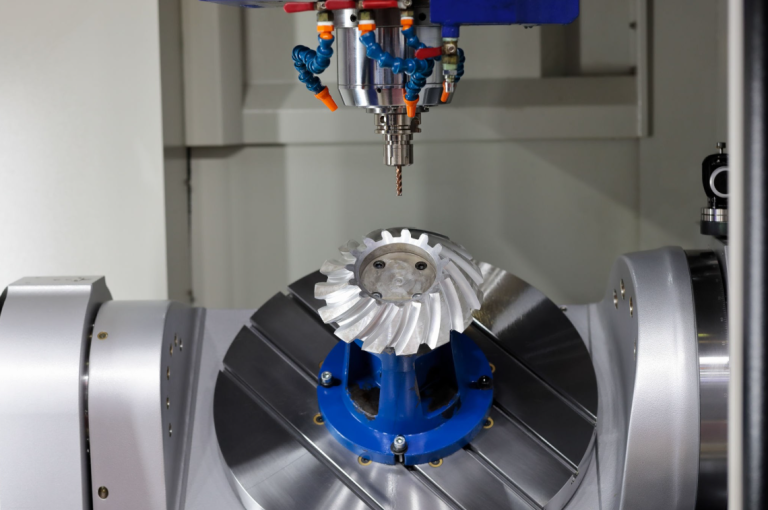
CNC machining isn’t a single process—it’s a combination of techniques tailored to the accessory’s design and material. For kitchenware, the most common processes are milling, turning, and finishing—and each plays a critical role in the final product:
1. CNC Milling
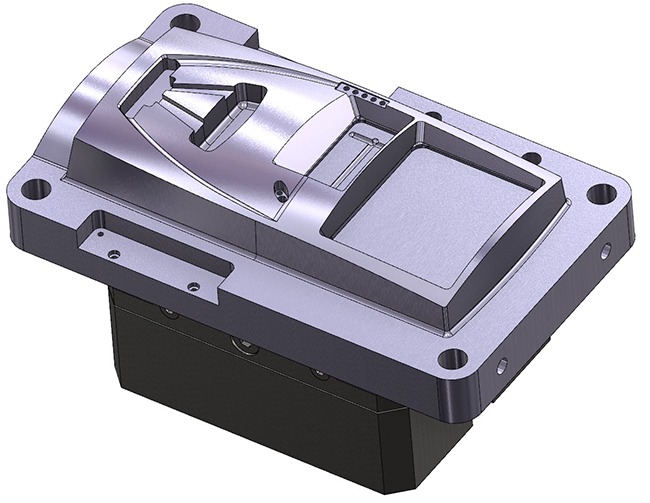
CNC milling is used for shaping flat or irregular surfaces—perfect for brackets, base plates, and complex handles. It uses rotating cutting tools to remove material, creating precise shapes and holes. For example, when machining a range hood bracket, we use 3-axis milling to ensure the mounting holes are aligned perfectly (off by even 0.1mm, and the bracket won’t fit).
One thing I’ve learned over the years: milling kitchenware accessories requires more attention to detail than industrial parts. Users touch these parts every day, so even a tiny burr or rough edge is noticeable. That’s why HLW adds a deburring step after milling—something many suppliers skip to save time (a mistake that leads to customer complaints).
2. CNC Turning
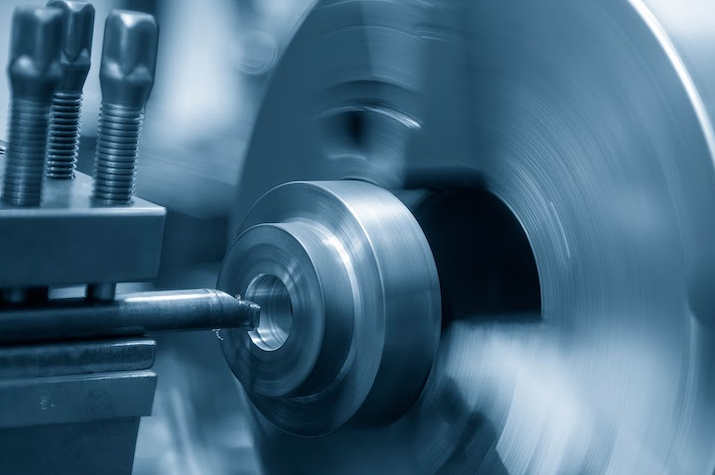
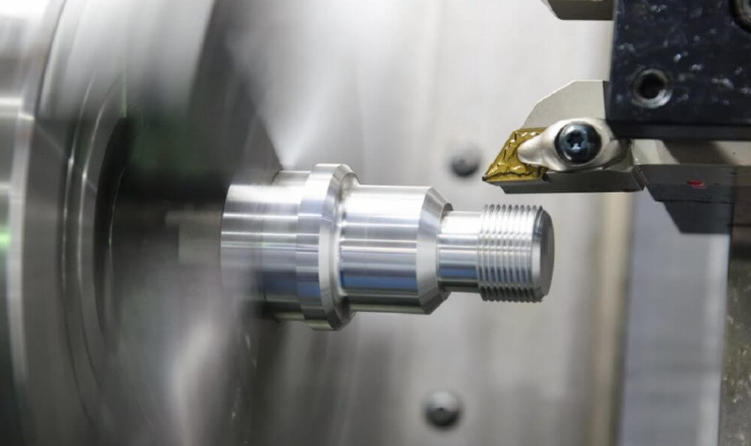
CNC turning is used for cylindrical parts, like knobs, handles, and small shafts. The material is rotated while a cutting tool shapes it, creating smooth, consistent surfaces. For example, a pot handle requires precise turning to ensure it’s comfortable to grip and fits perfectly on the pot’s body.
Turning might seem straightforward, but it’s easy to mess up the diameter or surface finish. I once worked with a client who had a supplier produce 10,000 knobs that were all 0.02mm too small—they couldn’t be used, and the client lost thousands. At HLW, we use in-process measuring tools to check dimensions every 50 parts, ensuring consistency batch after batch.
How Does HLW Ensure Quality in CNC Machined Kitchenware Accessories?
As a procurement manager or engineer, quality is your top priority—and it should be your supplier’s too. But how do you verify that a supplier can deliver consistent quality? Here’s what HLW does, and what you should look for in any CNC machining partner:
1. Strict Material Inspection
We start with the basics: every batch of material (whether 304 stainless steel or aluminum) is inspected for quality and compliance with food safety standards. We provide material test reports upon request, so you can be confident that the parts you’re receiving are safe and durable. Many suppliers skip this step, using low-grade materials that don’t meet industry standards—don’t let that happen to you.
2. In-Process Quality Control
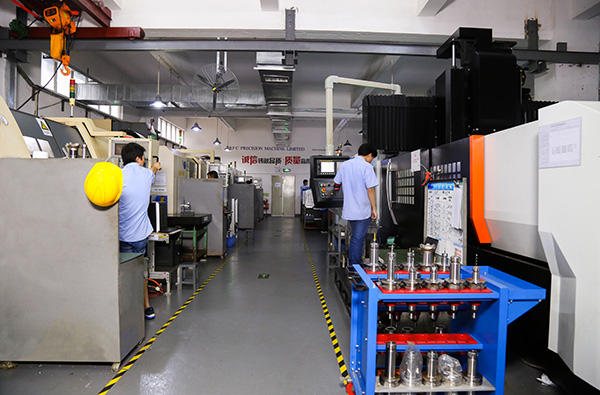
Quality isn’t just checked at the end—it’s built into every step. Our engineers monitor the machining process in real time, checking dimensions, surface finish, and tolerances to catch issues early. For example, if a cutting tool starts to wear, we replace it immediately to avoid producing faulty parts. This might slow down production a little, but it’s worth it to avoid costly rework.
3. Post-Machining Finishing
Finishing is often overlooked, but it’s critical for kitchenware accessories. We offer polishing, anodizing, and powder coating to ensure parts are smooth, corrosion-resistant, and aesthetically pleasing. For food-contact parts, we use food-grade polishing to remove any rough edges or crevices where bacteria could grow—a must for compliance with safety standards .
If you’re struggling with quality issues from your current supplier, reach out to HLW. We offer free sample machining so you can test our quality before committing to a large order. Just call +86 18664342076 or email info@helanwangsf.com to discuss your project—our team will get back to you within 24 hours ✅.
What Common Challenges Arise in CNC Machining of Kitchenware Accessories, and How to Solve Them?
No manufacturing process is without challenges, and CNC machining of kitchenware accessories is no exception. Here are the most common issues I’ve seen, and how HLW solves them (and how you can too):
1. Tool Wear (Especially with Stainless Steel)
As I mentioned earlier, stainless steel is tough on cutting tools. This can lead to inconsistent cuts, rough surfaces, and increased production time. Many suppliers try to cut costs by using cheap tools, which only makes the problem worse. HLW solves this by using high-quality carbide tools and optimizing cutting speeds and feeds—reducing tool wear and ensuring consistent results.
2. Tight Tolerances for Fitting Parts
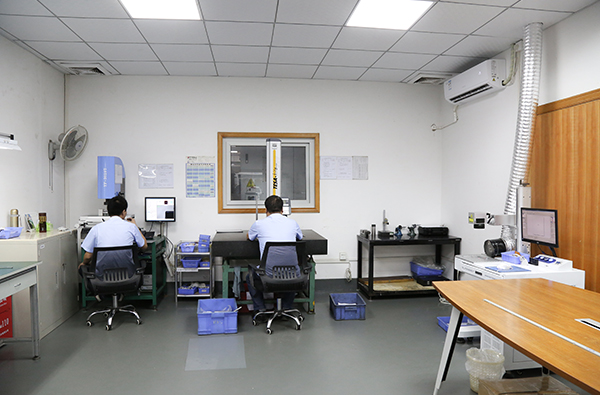
Kitchenware accessories often need to fit perfectly with other parts (e.g., a handle fitting into a pot, a bracket fitting onto a range hood). Even a small deviation from the tolerance can make the part unusable. Some suppliers claim they can hit ±0.005mm tolerance, but few actually deliver. HLW uses precision measuring tools (like micrometers and coordinate measuring machines) to ensure every part meets your exact specifications—though I’ll note that achieving tight tolerances may add a little to the lead time (a trade-off worth making for quality).
Final Insights: Why Your Choice of CNC Machining Partner Matters More Than You Think
After over a decade in the industry, I’ve learned one thing: the success of your kitchenware product depends as much on your CNC machining partner as it does on your design. Many procurement managers focus solely on price, but that’s a mistake. A cheap supplier might save you money upfront, but they’ll cost you more in returns, rework, and lost customers.
Here’s a data point that might surprise you: according to industry research, companies that work with reliable CNC machining partners (like HLW) have a 30% lower return rate on kitchenware accessories compared to those that choose the cheapest option . That’s a huge difference for your bottom line. Also, the customization penetration rate of CNC machined kitchenware accessories in high-end hotels and chain catering has exceeded 60% —meaning precision and quality are no longer optional; they’re expected.
If you’re ready to stop dealing with inconsistent quality and unresponsive suppliers, HLW is here to help. We specialize in CNC machining of kitchenware accessories, with a focus on the precision, durability, and safety that procurement managers and engineers demand. Contact us today at +86 18664342076 or info@helanwangsf.com to discuss your project—we’ll work with you to create a customized solution that meets your needs and budget. Don’t wait until your next batch of faulty parts—act now to elevate your kitchenware product.