Introduction
The global automotive industry relies on CNC machining automotive parts to deliver uncompromising precision, repeatability, and durability for both traditional internal combustion engine (ICE) vehicles and cutting-edge electric vehicles (EVs). As automotive manufacturing demands zero tolerance for errors in safety-critical and performance components, computer numerical control (CNC) machining has become the backbone of producing high-quality, complex auto parts from prototyping to mass production. HLW specializes in professional automotive CNC machining services, offering end-to-end solutions that meet international automotive standards, reduce production risks, and accelerate time-to-market for global automotive buyers.
What Is CNC Machining for Automotive Parts?
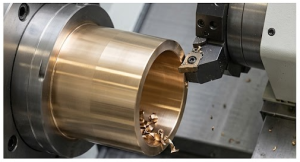
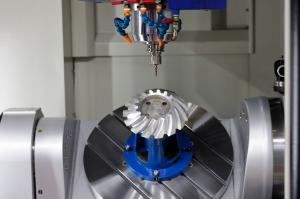
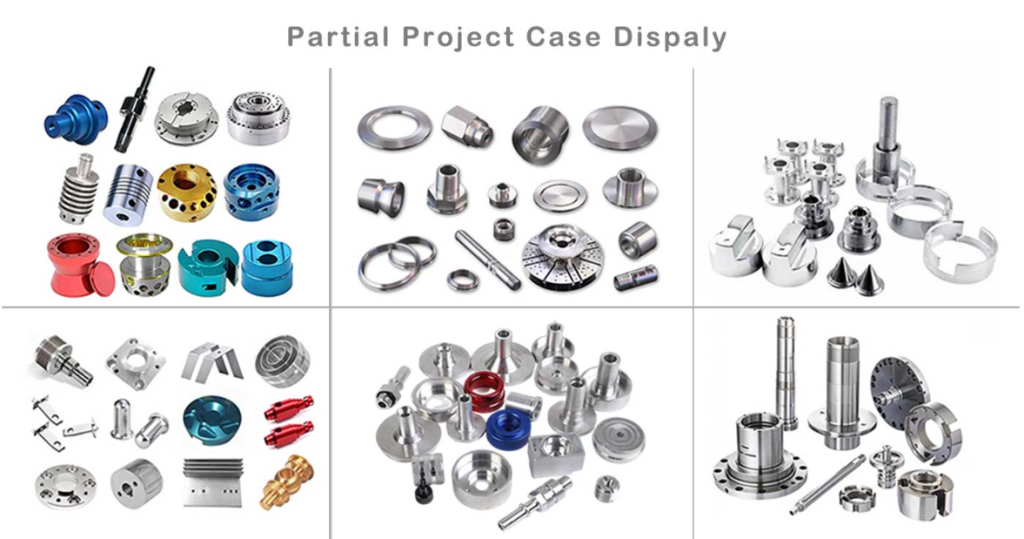
CNC machining is a subtractive manufacturing process that uses computer-programmed machine tools to accurately cut, mill, turn, drill, grind, and shape solid workpieces into custom automotive components. It supports multi-axis operations (3-axis, 4-axis, 5-axis, and 6-axis) to create intricate geometries that traditional manufacturing cannot achieve.
This technology processes a wide range of metals and engineering plastics, delivering consistent parts with tight tolerances critical for automotive performance, safety, and assembly compatibility. It serves every stage of automotive production, from functional prototyping to large-batch end-use parts manufacturing.
Key Advantages of CNC Machining for Automotive Parts
CNC machining outperforms conventional manufacturing in automotive production, with core benefits that align with the industry’s strict requirements:
Unmatched Precision & Tight Tolerances
CNC machining achieves precision as tight as ±0.005 mm for critical components (cylinder heads, EV battery housings) and ±0.01 mm for standard parts, ensuring perfect fit, sealing, and operational performance.
Exceptional Repeatability
Computer-controlled programming guarantees batch-to-batch consistency, a non-negotiable requirement for automotive mass production. Every part meets identical specifications across long production runs.
High Automation & Production Efficiency
Automated tool changes, robotic loading/unloading, and lights-out manufacturing minimize manual intervention, shorten cycle times, and boost throughput for medium-to-high volume production.
Broad Material Versatility
It processes aluminum alloys, steel, titanium, high-performance plastics (PEEK, Ultem), and composites, adapting to structural, thermal, and safety-critical automotive applications.
Rapid Prototyping & Customization
CNC machining creates functional, testable prototypes in days and supports low-volume custom parts (e.g., vintage car restoration components) with short lead times.
Cost Efficiency & Waste Reduction
Optimized toolpaths and minimal material waste lower long-term costs, while eliminating dedicated jigs/fixtures reduces setup expenses for multi-part production.
Compliance & Quality Assurance
CNC machining supports ISO 9001, AS9100D, and automotive quality standards, with full inspection reports (CMM, FAI) for complete traceability.
Core Applications of CNC Machining Automotive Parts
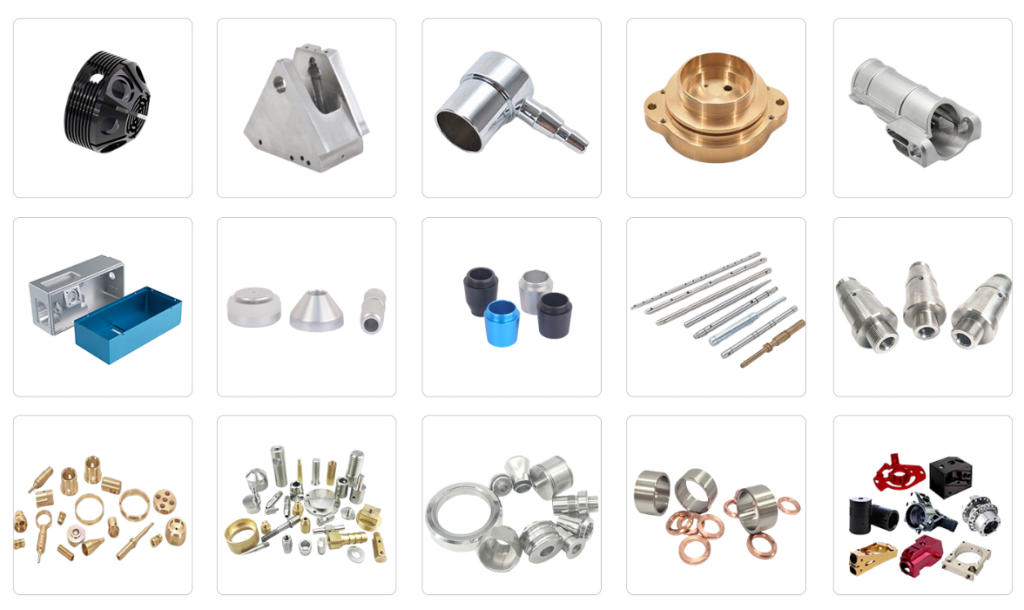
CNC machining covers nearly all critical automotive components, split into prototyping and mass production applications.
Prototyping Applications
- Rapid production of functional prototypes for engine parts, lighting components, interior panels, and EV structural parts
- Test and validate design fit, performance, and assembly before mass production
- Compatible with acrylic, aluminum, and engineering plastics for design verification
Mass Production Applications
Powertrain & Engine Components
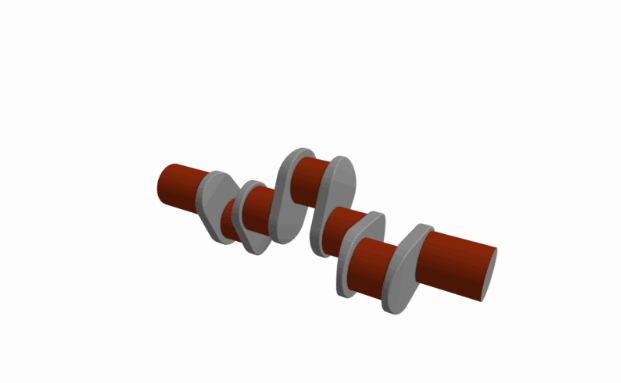
Cylinder heads, engine blocks, camshafts, crankshafts, starter motors, turbocharger housings, and fuel pump systems (precision-machined from aluminum forgings/castings).
Transmission & Drivetrain Parts
Gearboxes, drive axles, hypoid gears, bevel gears, differential housings, and transmission shafts with tight concentricity control.
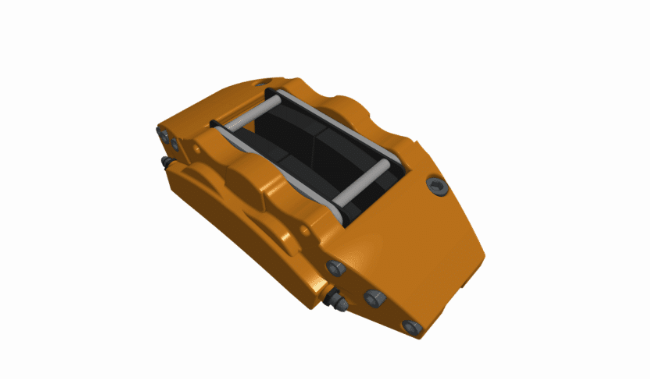
Brake & Suspension Systems
Brake calipers, brake rotors, control arms, tie rods, steering knuckles, and wheel hubs (safety-critical parts with consistent dimensional accuracy).
EV-Specific Components
Battery housings, motor housings, cooling plates, and 48V EV motor components (aluminum-dominated for weight reduction and thermal management).
Interior & Exterior Parts
Dashboard panels, door handles, trim pieces, and infotainment mounts with precise cutouts and aesthetic detailing.
Custom & Vintage Car Parts
One-off replacement parts and customized components via reverse engineering, solving obsolescence issues for classic vehicle restoration.
CNC Machining vs. 3D Printing for Automotive Parts
| Aspect | CNC Machining | 3D Printing (Additive Manufacturing) |
|---|---|---|
| Process | Subtractive (cuts material from solid blocks) | Additive (builds parts layer by layer) |
| Key Strength | Durable, high-strength end-use parts, tight tolerances | Ultra-lightweight, highly customized rapid prototyping |
| Best Use | Mass production, safety-critical components | Low-volume custom parts, prototype design validation |
| Material Range | Metals, engineering plastics, composites | Resins, thermoplastics, limited metals |
Both technologies are complementary: CNC machining is often used for post-processing and surface finishing of 3D-printed automotive components.
Key Materials for Automotive CNC Machining
Metal Materials
- Aluminum alloys (6061-T6, 7075): Ideal for EV housings, brackets, and engine parts (excellent strength-to-weight ratio, thermal conductivity)
- Titanium alloys (Ti-6Al-4V): Used in high-performance drivetrain and EV motor components (high strength, corrosion resistance)
- Steel & stainless steel: For gears, shafts, brake parts, and structural components
Plastic & Composite Materials
- Engineering plastics (PEEK, Ultem): Under-hood sensor housings and thermal-critical parts
- Carbon fiber-reinforced polymers: Lightweight structural components for EVs and performance vehicles
Limitations & Future Trends of Automotive CNC Machining
Limitations
- High upfront investment for multi-axis equipment
- Longer production times for ultra-complex parts
- Machining challenges with high-temperature alloys
- Requirement for skilled CNC operators
Future Trends
- Higher automation with AI, IoT, and robotic integration
- Advanced tooling for faster cutting and better surface finishes
- Hybrid manufacturing (CNC + 3D printing) for complex parts
- Sustainable machining to reduce waste and energy consumption
- Surge in demand driven by EV component manufacturing
HLW: Your Reliable Partner for CNC Machining Automotive Parts
HLW is a leading provider of automotive CNC machining services for global buyers, with comprehensive capabilities to support your prototype and mass production needs:
- 3-axis, 4-axis, and 5-axis CNC machining centers for simple to ultra-complex parts
- Tolerance control down to ±0.001 mm for critical automotive components
- Rapid delivery in as little as 3 days for standard parts
- Full production scale: from single prototypes to large-batch manufacturing
- Free DFM (Design for Manufacturability) reports to optimize designs and reduce costs
- Strict quality control: in-process inspection, first-article inspection, and full-dimensional reports
- ISO 9001 certified, with material verification and technical assessment before production
- One-stop service: machining, assembly, cleaning, and secondary operations
Contact HLW today for custom automotive CNC parts solutions tailored to your project requirements.
Conclusion & Call to Action
CNC machining automotive parts is irreplaceable in modern automotive manufacturing, delivering the precision, repeatability, and versatility needed for ICE vehicles, EVs, and custom automotive projects. HLW combines advanced equipment, professional expertise, and strict quality control to provide global automotive buyers with reliable, cost-effective, and high-precision CNC machining solutions.
Request an instant quote now by calling +86 18664342076 or emailing info@helanwangsf.com – let HLW be your trusted automotive CNC machining partner!