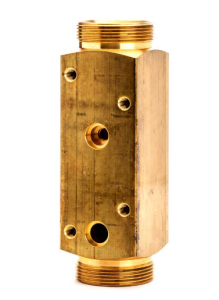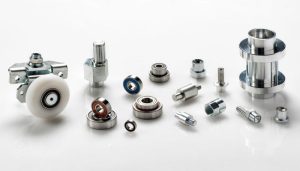
1. Introduction: The Evolution of Automotive Manufacturing & CNC Machining
Since the inception of the automotive industry, continuous advancement in vehicle performance, safety, and fuel efficiency has relied heavily on breakthroughs in manufacturing technologies. From Henry Ford’s pioneering assembly line to the modern era of Electric Vehicles (EVs) and smart automation, precision auto parts remain the bedrock of the automotive sector.
Computer Numerical Control (CNC) machining has become an indispensable manufacturing technology in the modern automotive supply chain. Whether engineering high-performance internal combustion engines, complex transmission gearboxes, or lightweight EV drive units, even a fraction of a millimeter’s error can jeopardize vehicle safety and operational integrity. At HLW, we deliver custom, high-precision CNC machined car parts engineered to meet and exceed the most stringent automotive quality standards.
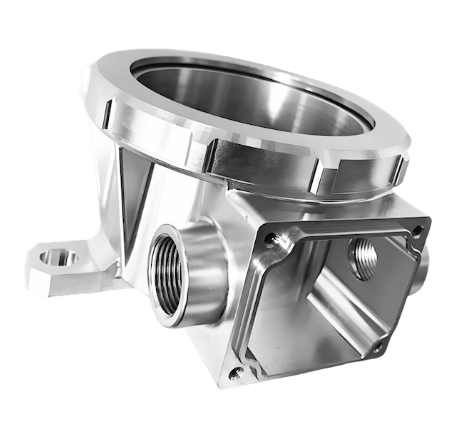
2. Key Advantages of CNC Machining for Automotive Applications
Automakers, aftermarket performance developers, and luxury custom vehicle builders rely on automotive CNC machining for several key reasons:
- Unmatched Production Speed & Automation: Automated CNC machining centers run continuous computer-programmed toolpaths, drastically reducing manual cycle times and enabling rapid production.
- Extreme Precision & Extra-Fine Tolerances: CNC equipment achieves tight tolerances down to ±0.01 mm, making it ideal for interlocking engine and drivetrain assemblies.
- Flawless Repeatability & Batch Consistency: Computer-guided tool motion ensures that every single component in a mass production run remains identical to the first unit.
- Zero Custom Tooling Setup Costs: Unlike traditional casting or stamping that requires costly custom dies, CNC machinery reads 3D CAD models directly, eliminating upfront tooling expenses and speeding up testing.
- Versatility in Prototyping & Mass Production: CNC machining easily scales from single-run functional design prototypes to high-volume manufacturing.
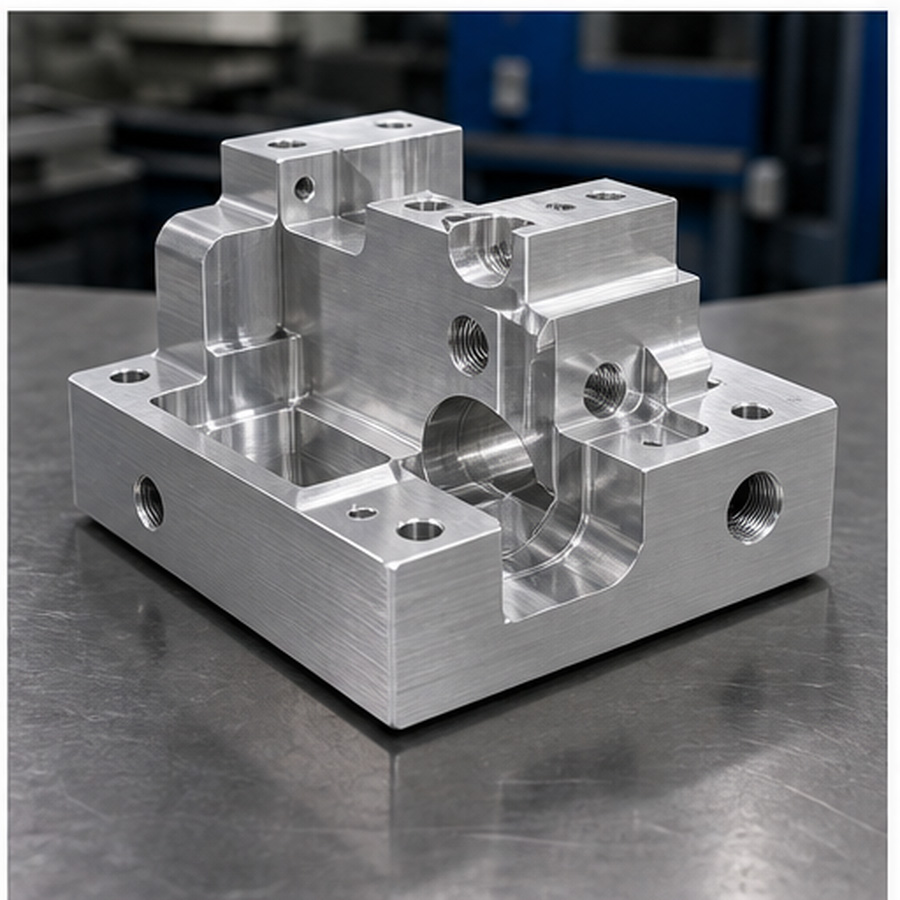
3. Real-World Applications: Key CNC Machined Automotive Parts
CNC machining processes produce critical functional and aesthetic components across various vehicle subsystems:
A. Engine & Powertrain Components
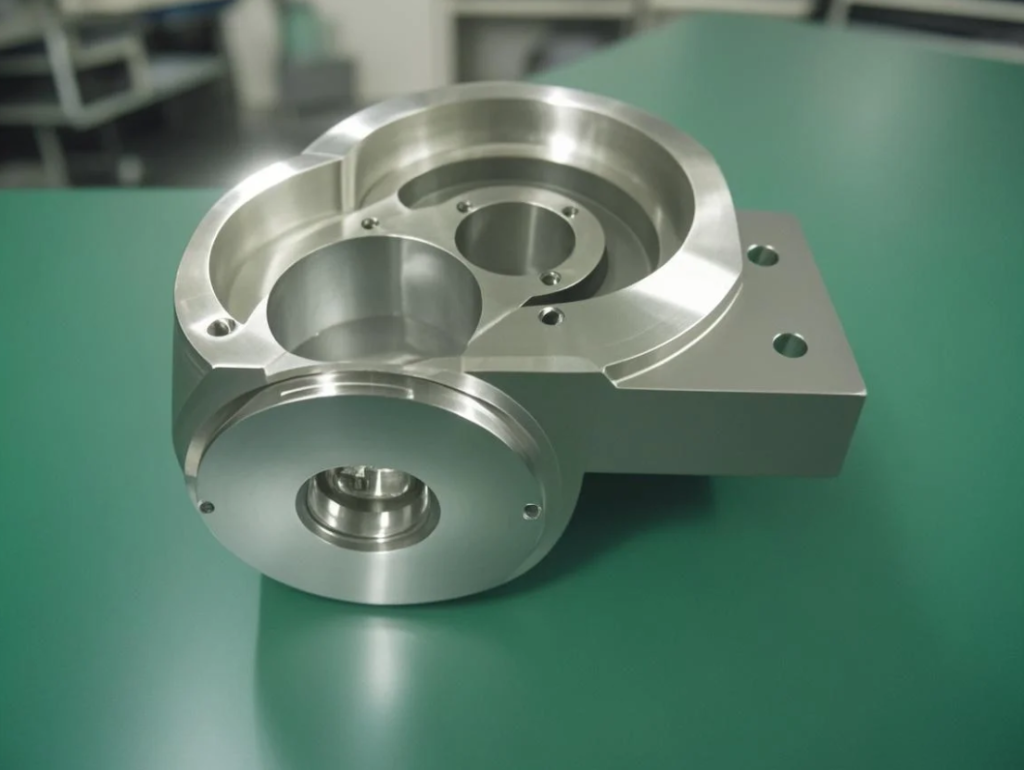
Engine parts endure immense thermal and pressure stresses. CNC milling and turning produce precision cylinder heads, cylinder blocks, crankshafts, connecting rods, starter motor housings, and fuel pump systems from solid metal blocks with max durability.
B. Electric Vehicle (EV) Drive Units
As electric vehicles dominate the industry, lightweight drive units are essential for increasing battery range and lowering costs. Precision CNC machining allows fast prototyping and tight-tolerance production of EV motor casings, drive shafts, and electrical housings.
C. Transmission & Drivetrain Systems
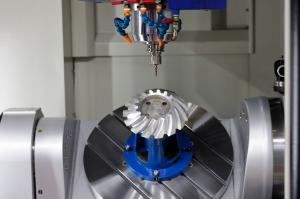
Gearboxes and drive axles require high geometric precision to ensure smooth power transfer. CNC machining produces hypoid gears, bevel gears, shafts, constant velocity joints, and transmission cases with minimal friction.
D. Braking & Suspension Systems
Vehicle handling, ride comfort, and passenger safety depend on precision control arms, shock absorber housings, bushings, brake rotors, and calipers produced via CNC machining.
E. Custom Hot Rods & Luxury Interior Fixtures
Beyond functional mechanical components, CNC machining is ideal for custom hot rods, performance upgrades, and rare vintage car restorations. Applications include custom AC control panels, exterior/interior rear view mirrors, door handles, and dashboard frames.
4. Types of CNC Machinery Used in Automotive Manufacturing
Different car components require tailored machinery setup:
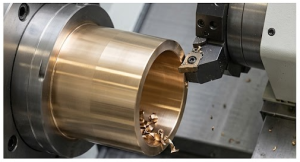
- CNC Lathe Machines: Spinning cutting operations ideal for cylindrical parts like shafts, axles, and bearings.
- 3-Axis & 5-Axis CNC Milling Machines: Multi-axis milling centers cut complex geometries in a single setup, perfect for engine blocks, intake manifolds, and cylinder heads.
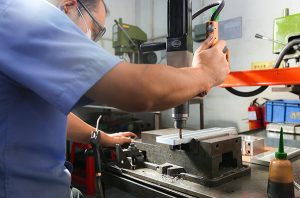
- CNC Drilling & Grinding Machines: Ensure high-accuracy hole placement and mirror-smooth surface finishes on pistons and journals.
- Electrical Discharge Machining (EDM): Uses electrical discharges to cut super-hard metals and produce detailed mold/die tooling.
- CNC Laser, Waterjet & Plasma Cutters: Precision cutting of sheet metals and plates for car body panels, brackets, and chassis frames.
5. Materials Used for Automotive CNC Parts
Selecting the appropriate material directly influences component weight, thermal dissipation, and strength:
- Aluminum Alloys (6061, 7075): Light, highly conductive, and easily machinable. Perfect for engine heads, intake manifolds, and wheels.
- Stainless Steel & Carbon Steel: High tensile strength and heat resistance for exhaust valves, brake components, and fuel systems.
- Specialty Superalloys (Inconel 718/625, Titanium, Haynes, Nitronic): Engine-grade metals engineered to withstand extreme temperatures and friction in motorsport and performance setups.
- Plastics & Fire-Retardant Polymers: Acrylics for rapid headlight prototyping, Delrin/POM for low-friction bushings, and flame-retardant polymers for electrical safety components.
6. CNC Machining vs. 3D Printing in Automotive Manufacturing
While 3D printing (additive manufacturing) provides fast visual prototyping and lightweight internal structures, CNC machining (subtractive manufacturing) remains superior for load-bearing components. CNC machined car parts deliver higher tensile strength, finer surface finishes, and strict dimensional stability. Leading manufacturers frequently utilize 3D printing for early-concept models and CNC machining for end-use functional parts.
7. Future Industry Trends: Hybrid Manufacturing, AI & Robotics
- Hybrid Manufacturing: Combining 3D printing’s geometric freedom with CNC machining’s sub-millimeter finishing accuracy.
- Automation, AI & Robotics: Integrating automated robotic arms for part loading, paired with AI-driven CAM toolpath optimization, significantly reduces lead times and lowers production costs.
8. Frequently Asked Questions (FAQ)
Q1: What CNC machined car parts does HLW produce?
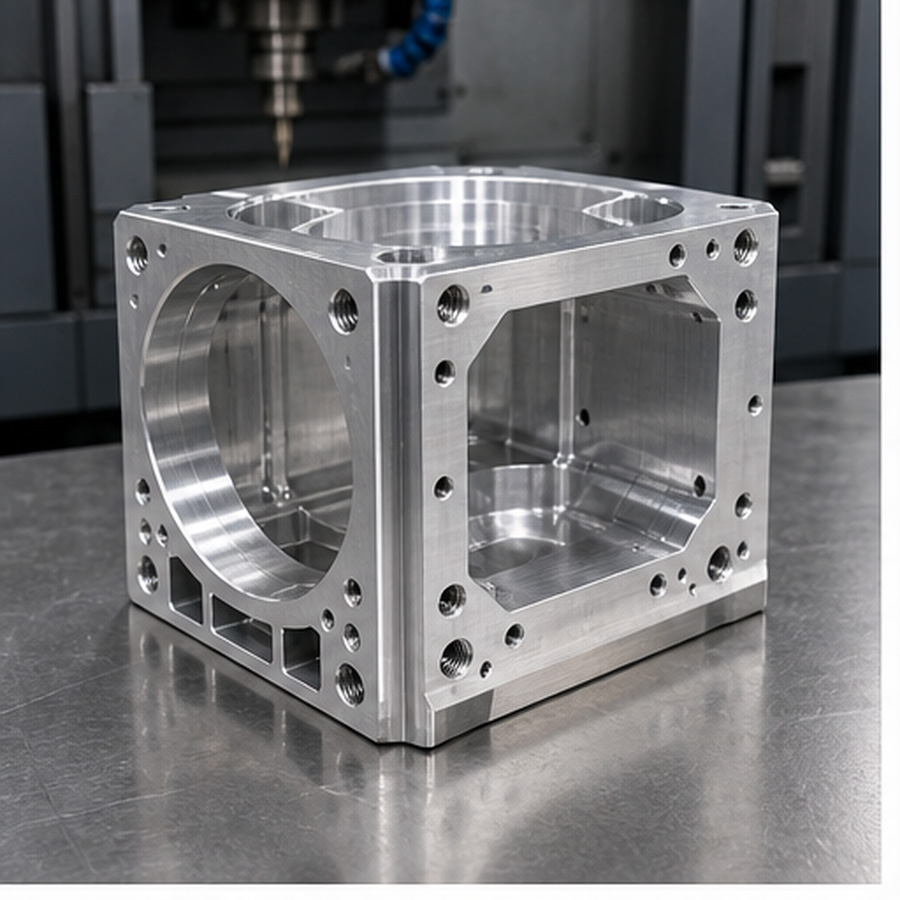
HLW manufactures a full spectrum of automotive components including cylinder heads, engine blocks, gearboxes, brake calipers, suspension arms, EV drive units, and custom aftermarket interior fixtures.
Q2: What is the benefit of 5-axis CNC machining for automotive components?
5-axis machines approach workpieces from multiple angles simultaneously, allowing complex shapes like cylinder ports and impellers to be completed in a single setup with extreme precision.
Q3: Can HLW manufacture single-run custom parts for vintage car restoration?
Yes! Combining reverse engineering with precision CNC machining allows HLW to recreate obsolete or rare custom car parts efficiently.
Q4: How accurate are HLW’s automotive CNC machining capabilities?
Our state-of-the-art facilities accommodate extra-fine tolerances down to ±0.01 mm, backed by rigorous ISO9001 and AS9100 quality control systems.
9. Contact HLW for Precision Automotive CNC Machining
Looking for a reliable manufacturing partner for custom automotive parts, functional prototypes, or high-volume production? HLW is committed to delivering world-class accuracy, competitive pricing, and fast delivery.
- Company / Brand: HLW
- Phone: +86 18664342076
- Email: info@helanwangsf.com
- Capabilities: 3-Axis & 5-Axis Milling, CNC Turning, Superalloy Machining, Prototyping & Mass Production.