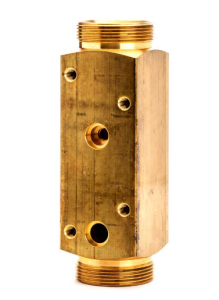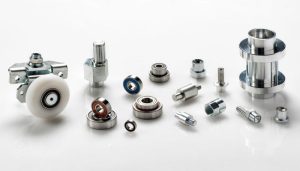
In the fast-paced automotive industry, where precision, durability, and speed are non-negotiable, CNC machining has emerged as the backbone of high-quality automotive mold production. Automotive molds—used to manufacture critical components like dashboards, bumpers, lamp housings, and engine parts—demand micron-level accuracy to ensure consistent performance and fit across thousands of vehicles. As a leading provider of CNC machining services, HLW combines advanced technology, industry expertise, and a customer-centric approach to deliver top-tier automotive mold solutions that meet the strictest industry standards. This article explores the role of CNC machining in automotive mold manufacturing, its key benefits, core processes, and how HLW can support your automotive mold needs.
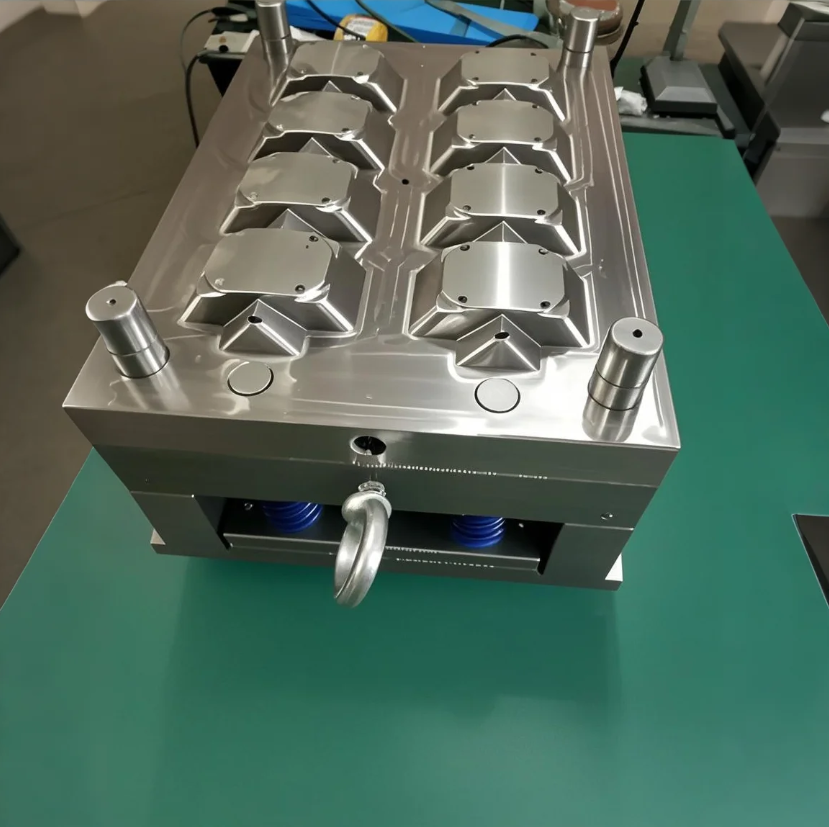
Why CNC Machining Is Essential for Automotive Molds
Automotive molds are the foundation of mass-produced automotive components, and their quality directly impacts the safety, functionality, and aesthetics of finished vehicles. Traditional machining methods struggle to keep up with the industry’s demands for complex geometries, tight tolerances, and rapid production cycles—but CNC (Computer Numerical Control) machining solves these challenges seamlessly. Here’s why CNC machining is the gold standard for automotive mold manufacturing:
Unmatched Precision and Repeatability
Automotive molds require tolerances as tight as ±0.005 mm to ensure that every component produced fits perfectly with other parts of the vehicle. CNC machining uses computer-controlled tools to execute precise cuts, eliminating human error and ensuring consistent results across every mold batch. This repeatability is critical for mass production, where thousands of identical molds are needed to maintain uniformity in automotive components—whether it’s a plastic interior trim or a metal engine part. HLW’s CNC machines, calibrated regularly by our expert technicians, deliver this level of precision consistently, ensuring your molds meet even the most rigorous automotive standards.
Efficiency for Faster Time-to-Market
The automotive industry is constantly evolving, with new models and designs launching every year. Manufacturers need to reduce lead times to stay competitive, and CNC machining accelerates the mold production process significantly. Compared to manual machining, CNC systems cut production time by 50-75%, thanks to automated toolpaths, continuous operation, and minimal human intervention. HLW leverages 3-axis, 3+2-axis, and 5-axis CNC machining technologies to streamline production, with lead times as short as 3-6 weeks depending on mold complexity—ensuring you can bring your automotive components to market faster than ever before.
Versatility for Complex Mold Geometries
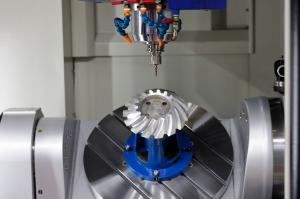
Modern automotive designs feature intricate curves, undercuts, and complex cooling channels that traditional machining methods cannot replicate. CNC machining—especially 5-axis systems—allows tools to move in multiple directions, enabling the production of complex mold geometries in a single setup. This versatility eliminates the need for multiple tool changes and repositioning, reducing errors and improving mold quality. Whether you need a mold for a sleek dashboard, a lightweight EV component, or a high-strength engine part, HLW’s CNC machining capabilities can handle even the most challenging designs with ease.
Cost-Effectiveness for Long-Term Value
While CNC machining requires an initial investment in technology, it delivers long-term cost savings by reducing scrap rates (by 30-60%), minimizing rework, and extending mold lifespan. HLW uses high-quality materials—such as P20 steel, H13 tool steel, and aluminum 7075—that are optimized for durability, ensuring your molds withstand thousands of production cycles without wear. Additionally, our automated processes reduce labor costs and increase efficiency, making CNC machining a cost-effective solution for automotive mold manufacturers of all sizes.
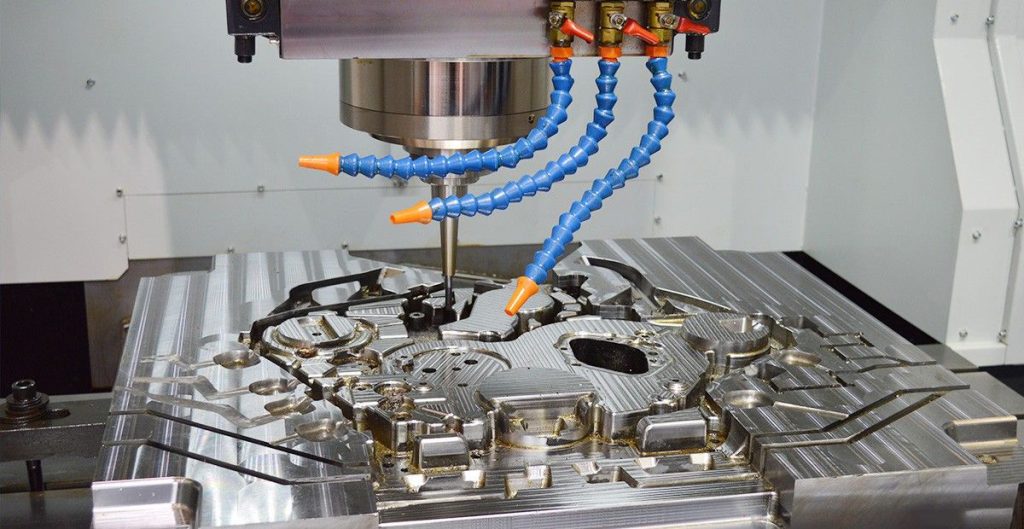
The CNC Machining Process for Automotive Molds
HLW follows a structured, precision-driven process to ensure every automotive mold meets your exact specifications. Our end-to-end workflow combines advanced software, state-of-the-art equipment, and rigorous quality control to deliver consistent, high-performance molds:
1. Design and Simulation (CAD/CAM)
The process begins with collaborative design using CAD (Computer-Aided Design) software (such as UG, SolidWorks, or Catia) to create a 3D model of the mold. Our engineering team works closely with you to refine the design, incorporating critical features like cooling channels, gates, and parting lines. We then use CAM (Computer-Aided Manufacturing) software to generate toolpaths and G-code instructions, and simulate the machining process using tools like Moldflow to predict potential issues—such as uneven cooling or material flow—before production begins. This step reduces trial-and-error by 30% or more, saving time and costs upfront.
2. Material Selection
Choosing the right material is critical for automotive mold performance. HLW offers a range of high-quality materials tailored to your mold’s intended use: P20 pre-hardened steel for a balance of hardness and machinability, H13 tool steel for high-volume production and durability, and aluminum for faster machining and cost savings in prototyping. We source materials from trusted suppliers and provide material certificates (MTR) to ensure consistency and quality.
3. Precision Machining
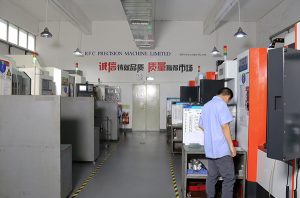
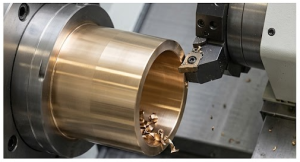
Our CNC machining center features over 100 advanced machines, including 5-axis milling, turning, and wire EDM equipment, capable of handling mold sizes up to 6m×3m×2m. Our skilled machinists program the machines to execute precise cuts, with spindle speeds up to 30,000 rpm for high-speed machining of aluminum and plastics. We use wire EDM for hardened steels, achieving tolerances as tight as ±0.005 mm, and precision grinding to ensure superior surface finishes—from SPI A1 (mirror) to D3 (texture).
4. Finishing and Quality Control
After machining, the mold undergoes optional finishing processes—such as polishing, texturing, or EDM— to enhance surface quality and performance. HLW’s ISO-certified quality control team then conducts rigorous inspections using CMM (Coordinate Measuring Machine) and other precision tools to verify tolerances, surface finish, and overall mold quality. We ensure every mold meets your specifications and industry standards before delivery, giving you complete peace of mind.
HLW: Your Trusted Partner for CNC Machining of Automotive Molds
As a leading CNC machining provider, HLW brings over a decade of experience in automotive mold manufacturing, serving clients worldwide with reliable, high-quality solutions. Our commitment to precision, efficiency, and customer satisfaction sets us apart:
- Advanced Technology: We invest in the latest CNC equipment, including 5-axis machines and automated production lines, to deliver cutting-edge solutions for even the most complex automotive molds.
- Expert Team: Our team of engineers and machinists has extensive experience in automotive mold design and machining, ensuring your project is in capable hands from concept to delivery.
- Custom Solutions: We understand that every automotive mold is unique. HLW offers fully customized CNC machining services, tailored to your specific design, material, and performance requirements.
- Global Reach: With a 10,000+ square meter factory and a robust global delivery network, we serve clients around the world, delivering molds on time and within budget.
- Transparent Communication: We keep you informed throughout the entire process, providing regular updates and ensuring your feedback is incorporated every step of the way.
FAQs About CNC Machining for Automotive Molds
Q: What is the maximum mold size HLW can machine?
A: We can machine molds up to 6m×3m×2m using gantry CNC machines, making us capable of handling even large automotive molds for components like bumpers and body panels.
Q: Can HLW produce multi-cavity automotive molds?
A: Yes, our CNC machining capabilities enable the production of multi-cavity molds with perfect cavity-to-cavity consistency, ideal for high-volume production of small to medium-sized automotive components.
Q: What is the typical lead time for automotive mold CNC machining at HLW?
A: Lead times vary based on mold complexity and quantity, but we typically deliver automotive molds within 2-6 weeks. For urgent projects, we offer expedited services to meet tight deadlines.
Q: Does HLW provide post-machining support?
A: Yes, we offer comprehensive post-machining support, including mold maintenance, repair, and technical assistance, to ensure your molds continue to perform optimally for years to come.
Get Started with HLW Today
If you’re looking for reliable, high-precision CNC machining for automotive molds, HLW is your trusted partner. Our team is ready to help you bring your automotive mold projects to life, with the expertise, technology, and support you need to succeed. Contact us today to discuss your requirements, get a free quote, or schedule a consultation with our engineering team.
HLW Contact Information:
Phone: +86 18664342076
Email: info@helanwangsf.com
Let HLW’s CNC machining expertise drive your automotive mold success—where precision meets efficiency, and quality is guaranteed.